The ONLY CAMERA you need…Ever
May 06, 2026Get the full story watching the video above ⬆️
Purchase:
Sony a6700 - https://geni.us/7KjK
Introduction: My Unfiltered Two-Year Verdict on the Sony a6700
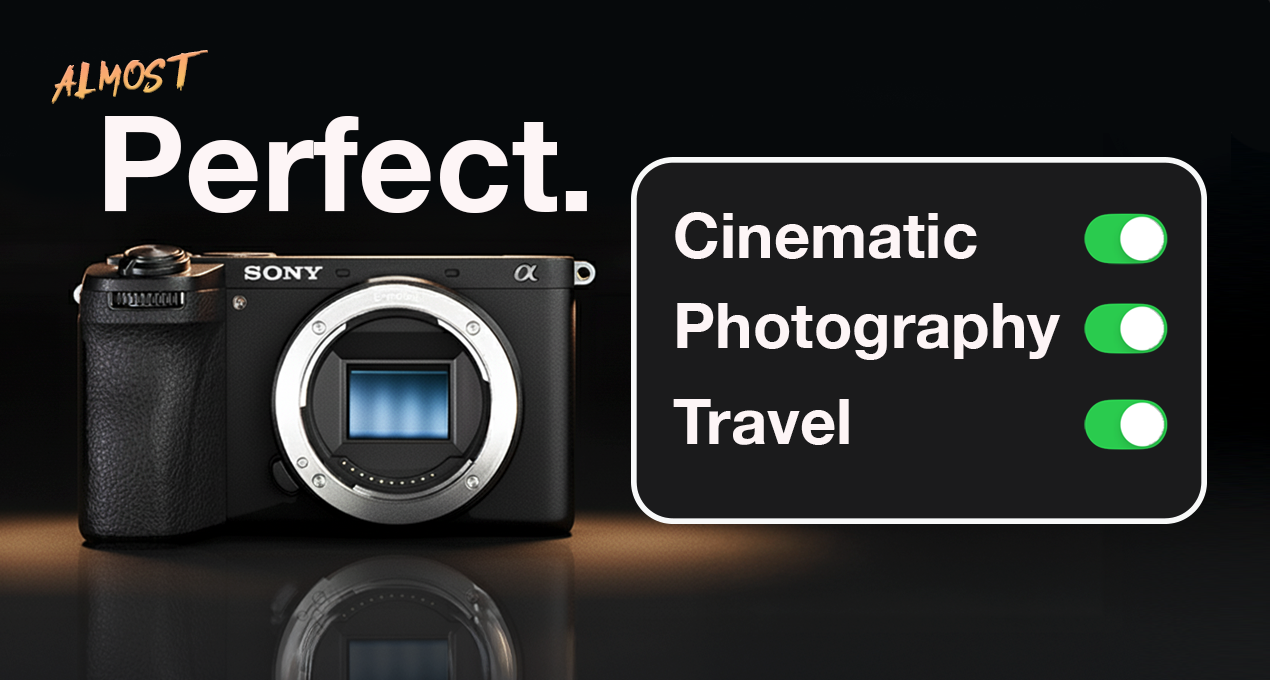
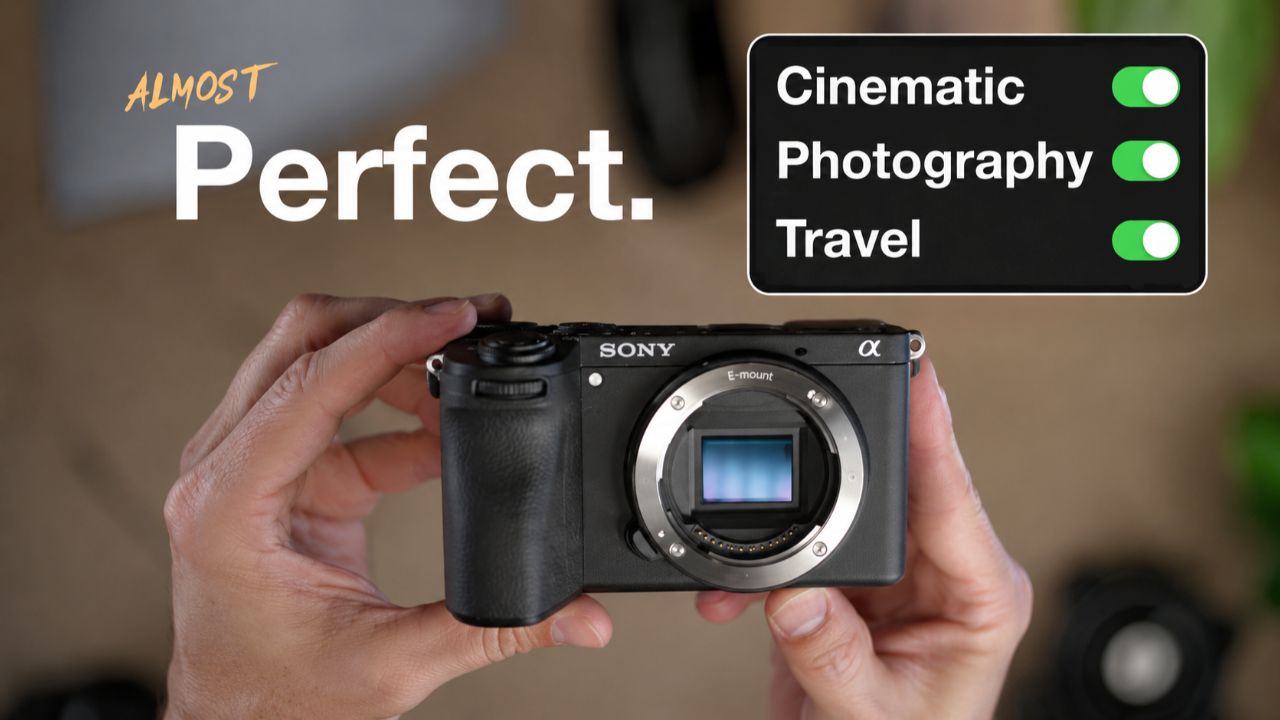
Let's cut right to the chase: the Sony a6700 is, without a doubt, the most versatile camera for nearly everyone. That's a bold claim, but it's one I stand by. I purchased this camera with my own money over two years ago, and since then, it has been my constant companion in both demanding professional settings and for my own personal creative projects. This review isn't based on a weekend rental or a quick read of a spec sheet; it's forged from deep, real-world experience.
In this article, I'm going to break down exactly who this camera is perfect for, detail the powerful technology that makes it so uniquely capable, and address its known limitations head-on. By the end, you'll understand why I'm so confident in recommending it to such a broad spectrum of creators. We'll start by exploring the core of its identity: its remarkable versatility as a true hybrid powerhouse.
1. The Ultimate Hybrid: My Go-To Camera for Photo and Video
In today's content-driven world, the term "hybrid" is thrown around a lot, but what does it really mean? A true hybrid camera is a single, compact tool that excels at both high-quality photography and professional-grade videography without making significant compromises in either discipline.
For creators who fluidly switch between stills and motion, this isn't just a convenience, it's a strategic advantage. The a6700 isn't just a photo camera that shoots video; it’s a purpose-built hybrid that delivers excellence on both fronts.
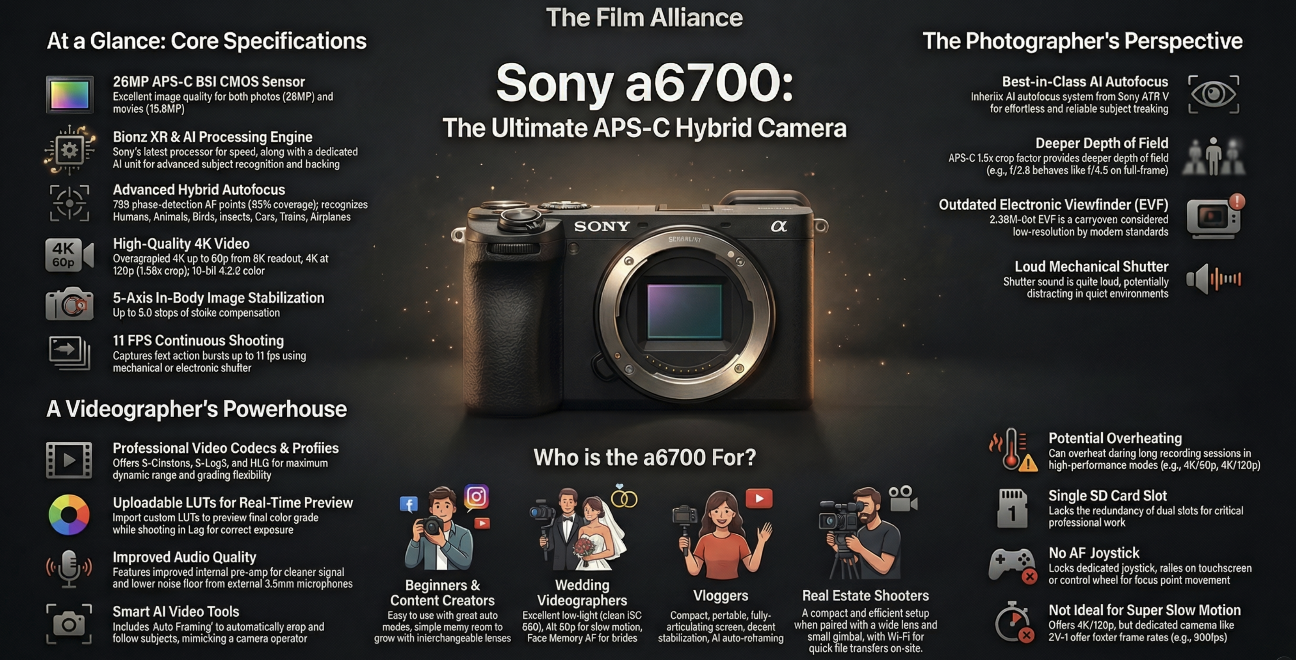
Based on my extensive use, its hybrid capabilities are built on four key pillars:
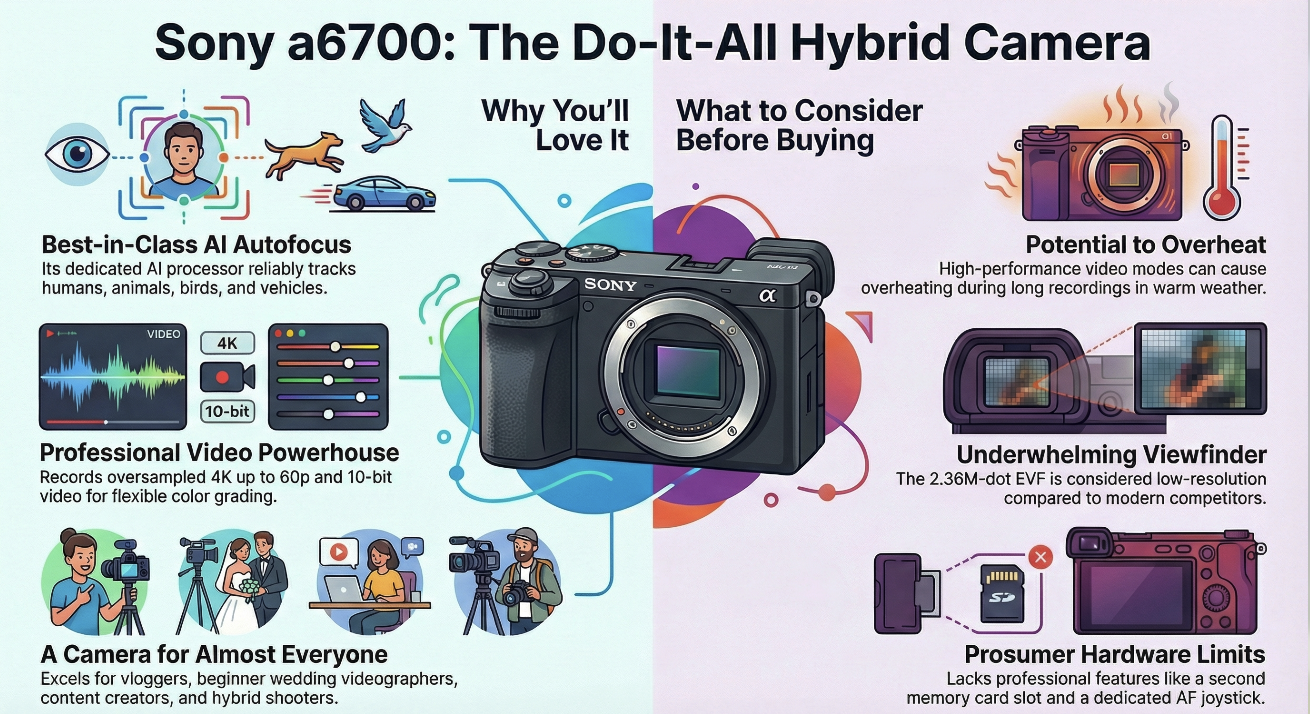
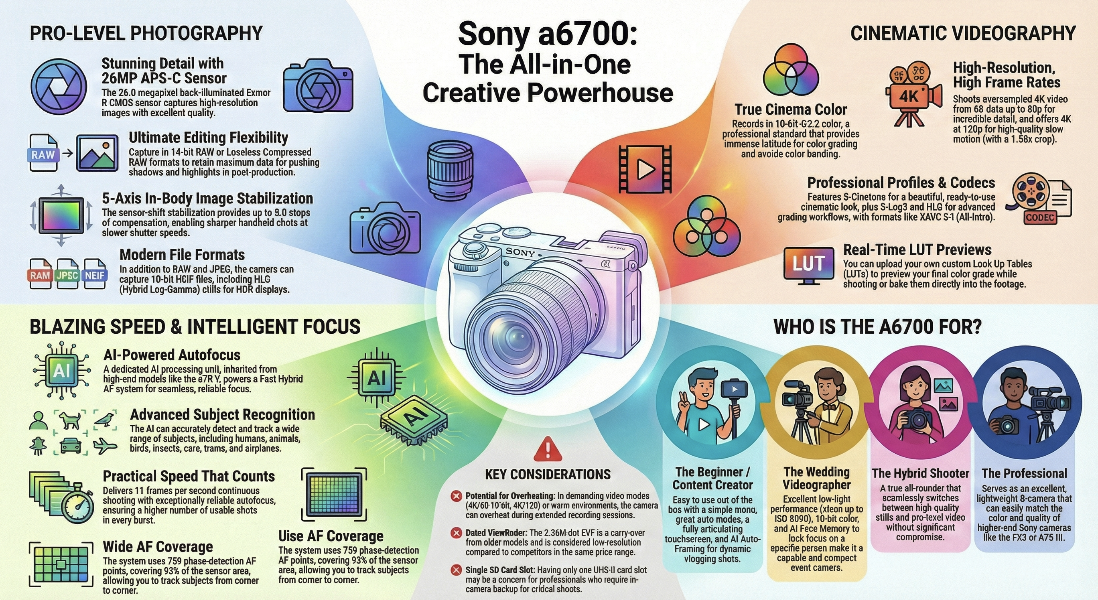
• Pro-Level Photos: It features a 26-megapixel APS-C Exmor R CMOS sensor that captures stunning detail. The ability to shoot in 14-bit RAW provides incredible flexibility for editing, allowing you to push and pull shadows and highlights without degrading the image.
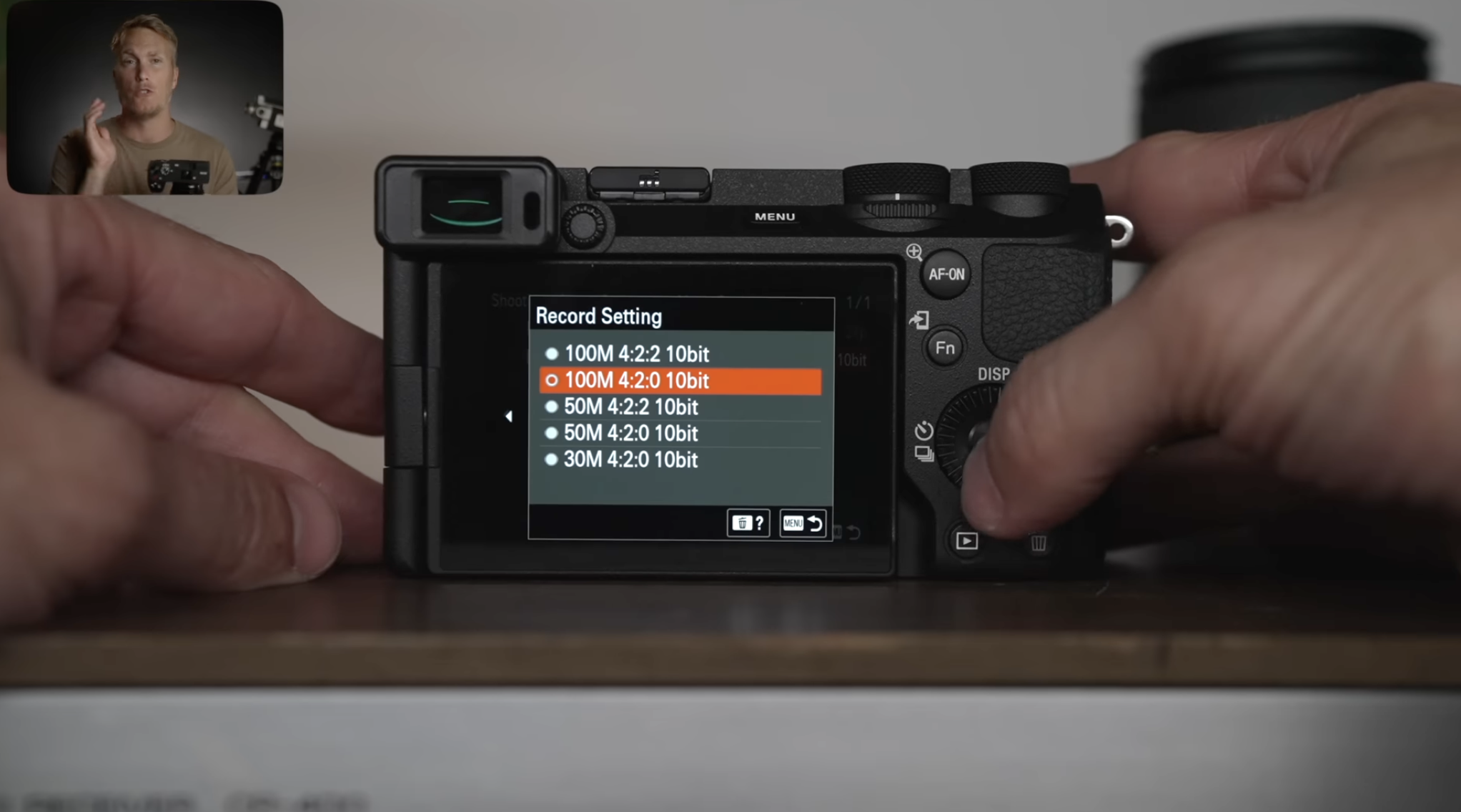
• Cinematic Video: This is where the a6700 truly shines. It records in 10-bit 4:2:2 color, a professional standard that gives you immense latitude for color grading. With formats like XAVC S-I and picture profiles like S-Log3 and the beautiful S-Cinetone, you can produce footage that looks like it came from a dedicated cinema camera.
• Reliable Speed: While some cameras boast higher numbers on paper, like the Canon R7's 15fps, the a6700 delivers a highly practical 11 frames per second with autofocus that almost never misses. This means more usable shots from every burst, which is what actually counts on a shoot.
• Amazing Focus: The Fast Hybrid AF system, powered by a dedicated AI processor, works seamlessly across both photo and video modes. It's so reliable that I've never once had to worry about it, allowing me to focus entirely on my composition.
These features combine to create a tool that is far more than the sum of its parts. Now, let's look at exactly who can best leverage these powerful hybrid capabilities.
2. A Camera for Every Creator: Who is the Sony a6700 For?
A camera's spec sheet only tells half the story. Its true value is measured by how effectively it serves the needs of its user. Over the past two years, I’ve used the a6700 in nearly every scenario imaginable - from shooting weddings and vlogs to creating content for my own YouTube channel. Here's my breakdown of who this camera is for, based on that hard-won experience.
2.1 For the Beginner and Aspiring Creator
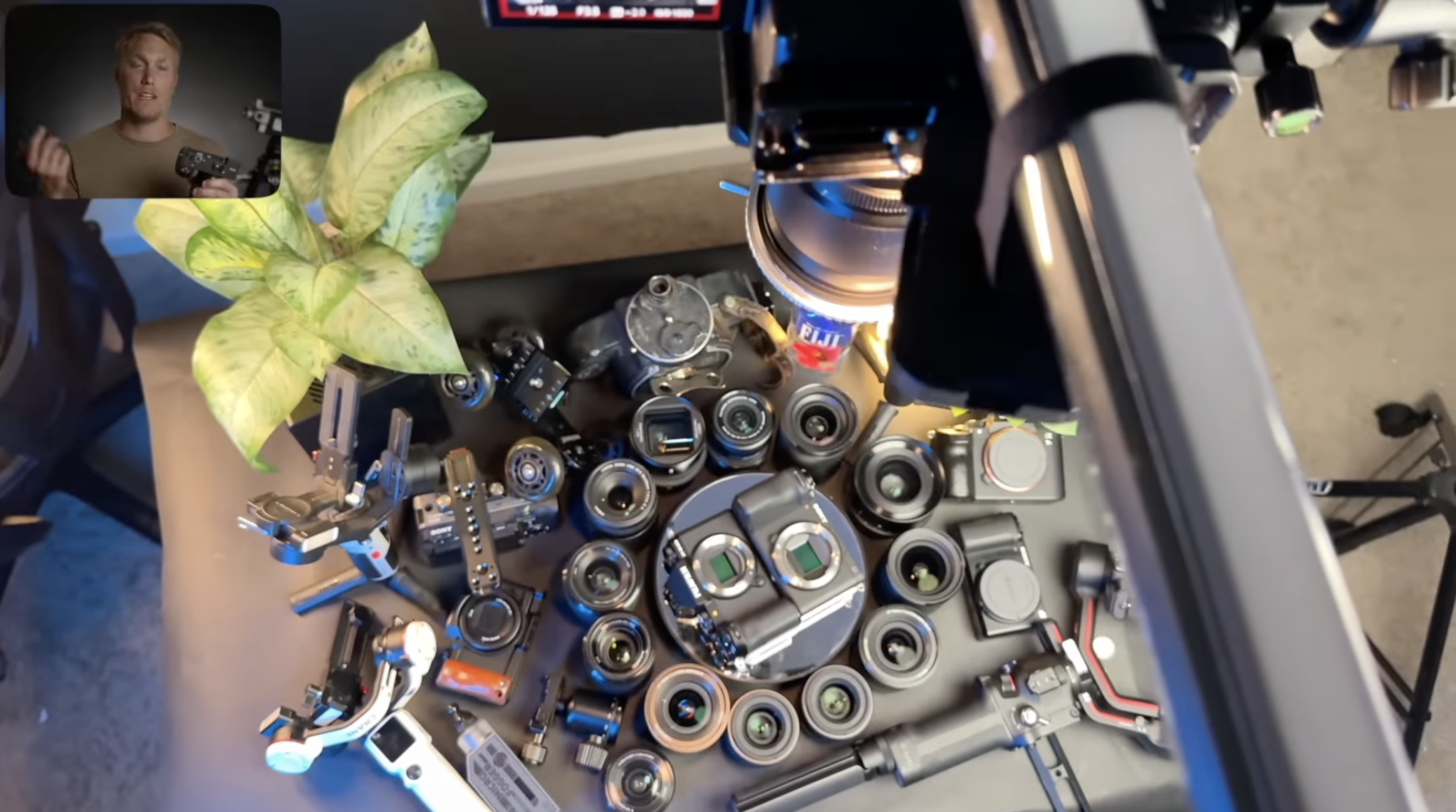
The a6700 is an ideal starting point for anyone serious about getting into content creation. It's incredibly easy to pick up and start shooting with right out of the box, thanks to a straightforward menu system and a Program Auto mode that delivers great-looking, properly exposed images without fuss. The touchscreen interface and deep customization options for its external buttons and dials mean new users can start simple and then tailor the camera to their workflow as they learn.
Crucially, this is a camera you grow with, not out of. The interchangeable E-mount lens system opens up a world of creative possibilities, and because APS-C lenses are often more affordable than their full-frame counterparts, it represents a fantastic long-term investment. This is the camera I wish I'd had when I was starting out.
2.2 For the Vlogger and Social Media Pro
For vloggers, the a6700 is a dream. The vari-angle screen lets you see yourself while filming, and its compact size makes it easy to carry all day. After two years of vlogging with it, the AI-powered Auto Framing has gone from a novelty to an essential tool for my one-man-band tripod shots, creating dynamic pans and zooms as if an operator were behind the lens. The in-body stabilization is decent for walking shots, but for gimbal-smooth results, you can use the gyroscope data recorded in the video file with Sony's Catalyst Browse software in post-production. When you’re done shooting, the fast USB-C port makes offloading files for a quick edit a breeze.
2.3 For the Wedding and Event Shooter
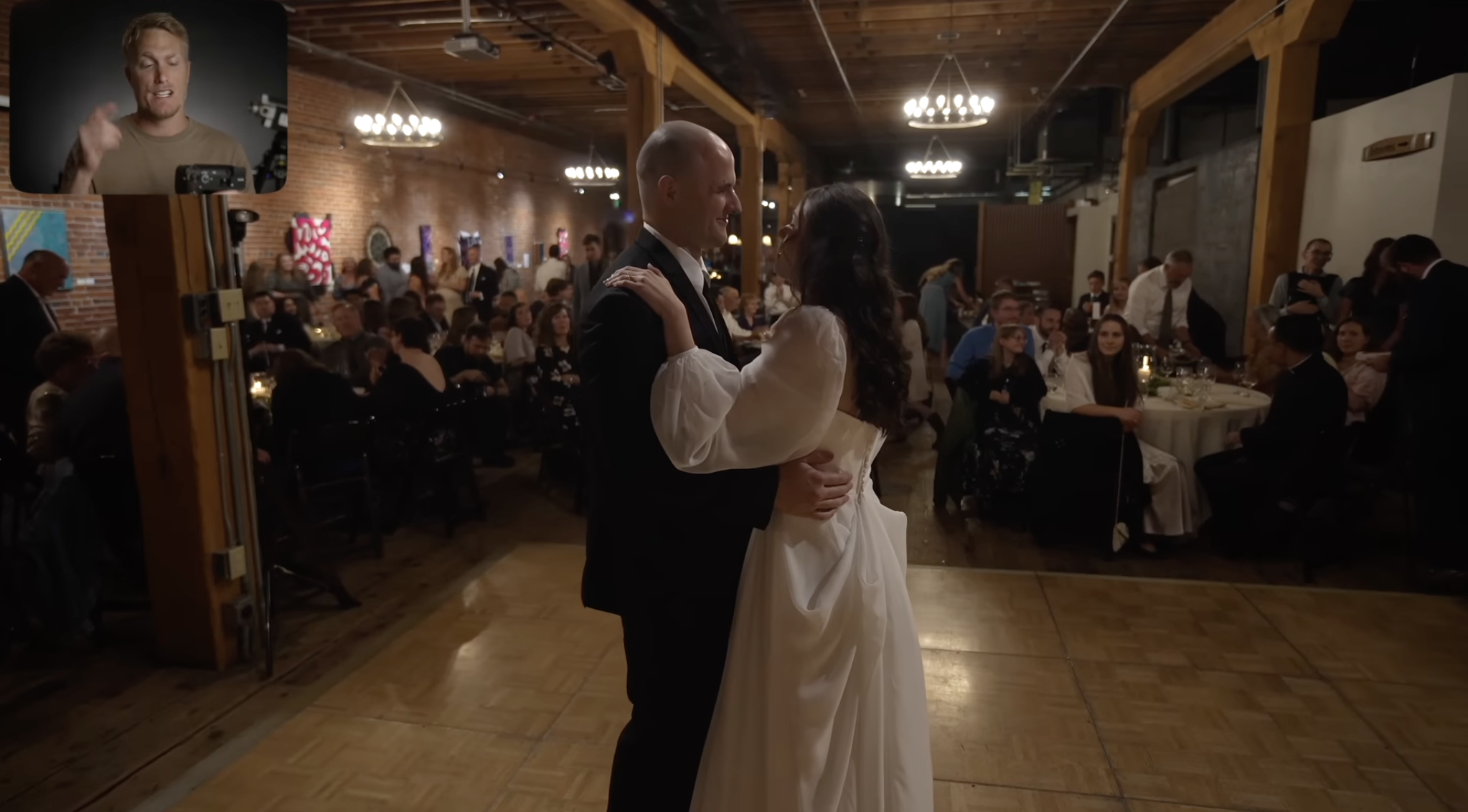
I was skeptical about using an APS-C camera for a wedding, but I put the a6700 to the test as my primary wide-angle camera for a professional shoot, and the results completely blew me away. My setup was the a6700 paired with a Viltrox 13mm f/1.4 lens on a gimbal. While my full-frame A7S III with a Tamron 28-75mm handled the tight close-ups, the a6700 captured a staggering 90% of the day's shots.
Here's exactly how I ran it: I kept the camera in 4K 60p all day with the shutter locked at 1/125s, giving me beautiful slow-motion options in post. In low-light situations, I pushed the ISO to 800 and aimed to underexpose by about 0.7 stops to protect the highlights. The shadows were incredibly clean and detailed, and the final image was stunning. It's a game-changer that proves you don't need a massive full-frame rig to produce professional wedding films.
2.4 For the Professional Videographer and Filmmaker
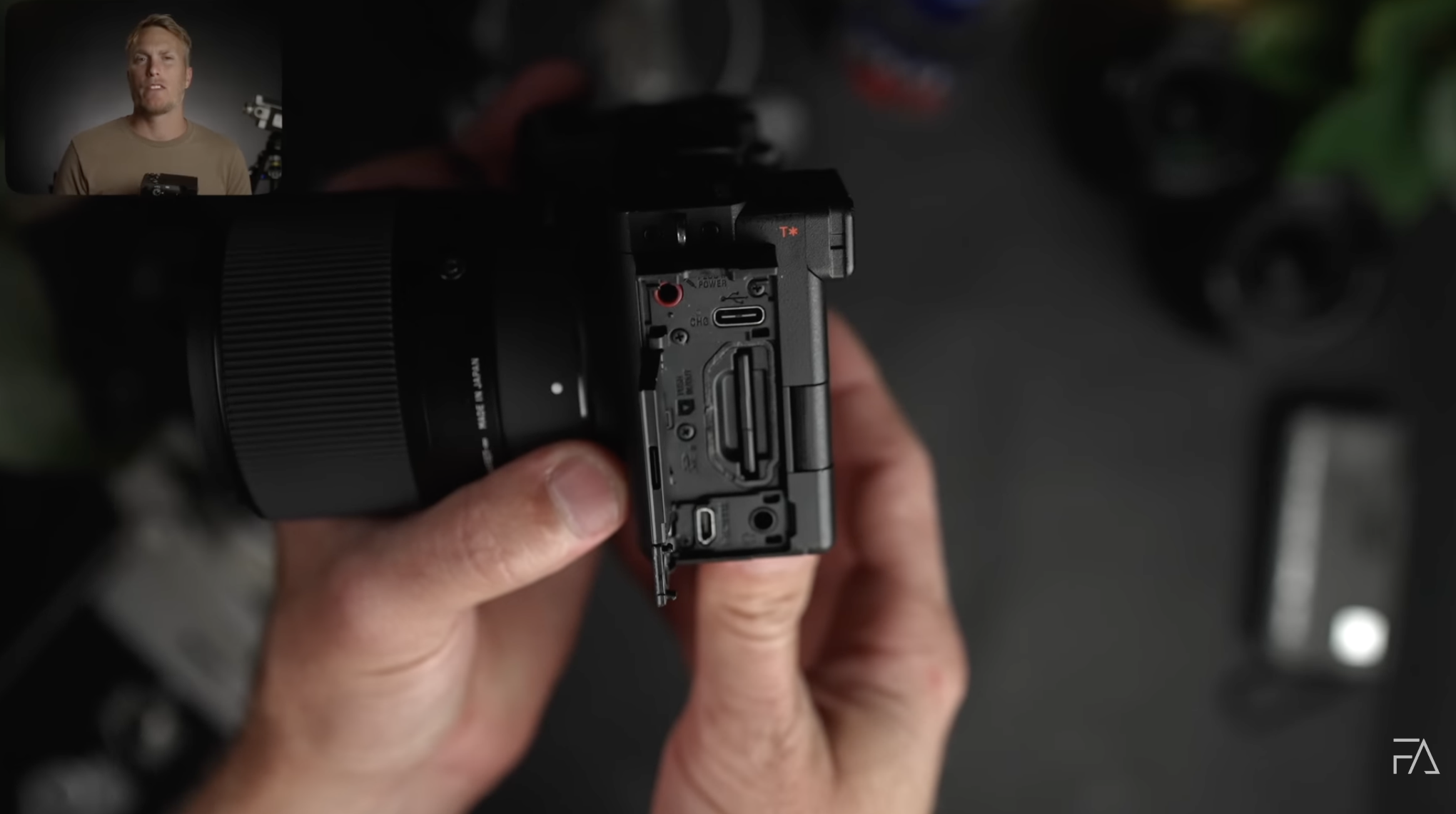
For working professionals, the a6700 is the ideal B-cam. As a freelance videographer myself, I can attest that it integrates seamlessly, and as others have noted, while you might not choose it as a dedicated A-cam on major professional shoots, "it is my B-cam professionally" and more than capable for most work. It records stunning 4K video at up to 120 frames per second for incredible slow motion, all with 10-bit 4:2:2 color depth. The inclusion of S-Log3 gives you maximum dynamic range, and you can even import your own custom LUTs to preview your final look while on set. With professional tools like timecode sync and a micro HDMI port, it fits right into a pro workflow.
2.5 For the Hybrid Photographer
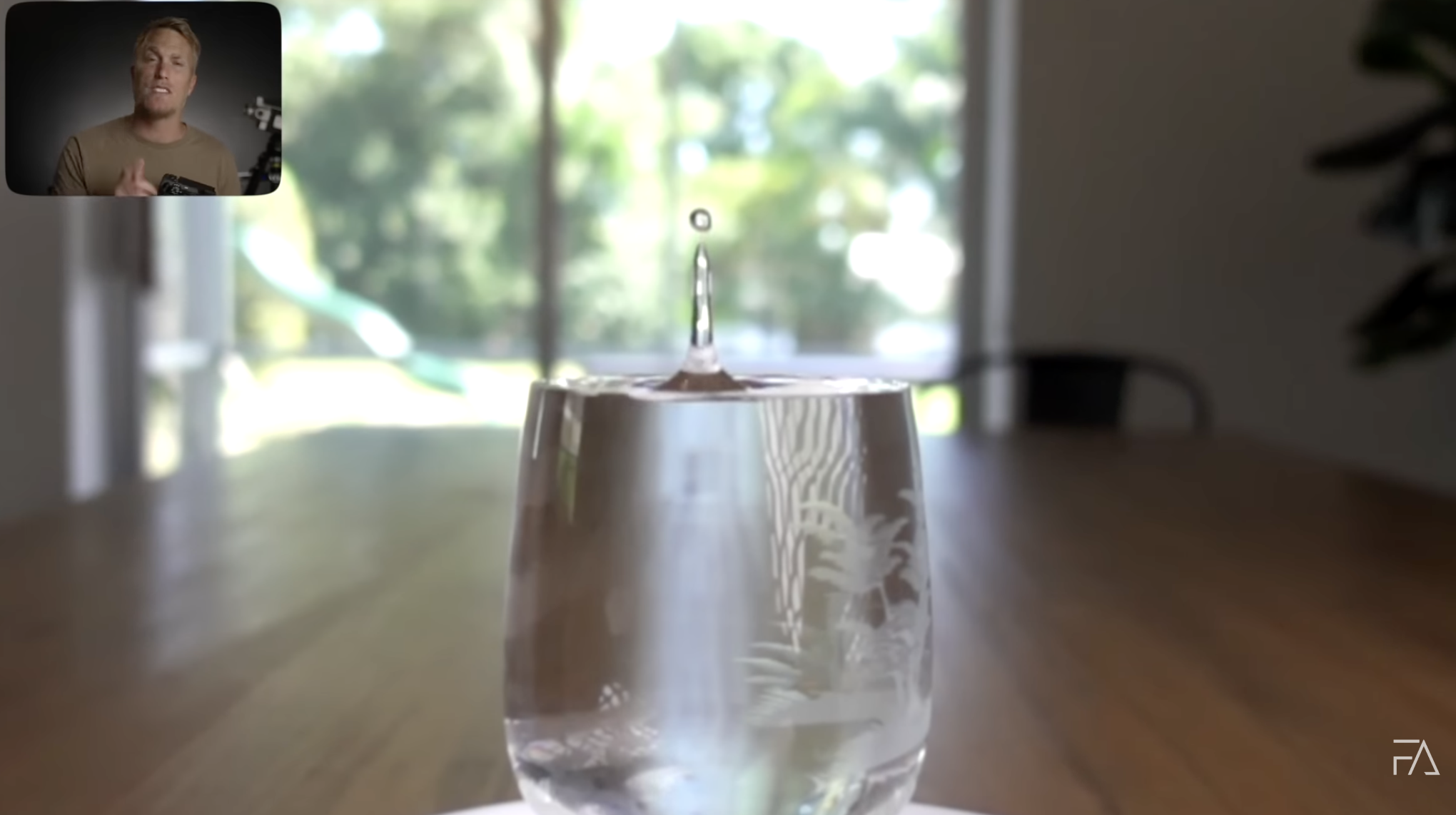
From a pure photography standpoint, the a6700 is a beast. The autofocus, inherited from the flagship A7R V, is so good it feels like cheating, with intelligent recognition for everything from Humans and Birds to Cars and Trains. My experience mirrors that of other pros; the AF tracking is so dependable that my workflow has simplified to just holding the AF-On button and letting the camera's AI brain do the heavy lifting while I focus on composition.
However, for a street photographer, the camera has one frustrating quirk: a loud mechanical shutter. In quiet environments, it can draw unwanted attention. Fortunately, the silent electronic shutter is a perfect workaround, though you need to be mindful of potential rolling shutter with very fast-moving subjects. Paired with 11fps burst shooting, it’s a formidable tool for capturing any subject, no matter how unpredictable.
These diverse capabilities are not accidental; they are the direct result of the advanced technology Sony packed inside this compact body.
3. Under the Hood: The Technology That Defines the a6700
The remarkable versatility of the a6700 stems from a trio of core technologies that work in concert to deliver its class-leading performance. Let's take a closer look at the three pillars that define this camera: its autofocus system, its video processing engine, and its image stabilization.
A Brain from the Flagship: The AI Autofocus
The a6700's autofocus system is arguably its most impressive feature. It inherits the sophisticated AI processing engine from Sony's high-end A7R V. This isn't just marketing speak; it means you're getting the same tenacious subject-tracking intelligence found in a $4,000 professional body, which is a game-changer at this price point. With 759 phase-detection points covering 93% of the sensor, it locks onto subjects with astonishing reliability, whether you're shooting photos or video.
Cinematic Power in a Compact Body
The video capabilities of the a6700 are what elevate it from a great camera to a true professional tool. It delivers features typically found in much larger and more expensive cinema cameras.
|
Feature |
Specification & Impact |
|
Resolution & Frame Rate |
4K up to 60p (oversampled from 6K for maximum detail); 4K up to 120p (with a 1.58x crop) for high-quality slow motion. |
|
Color & Bit Depth |
10-bit 4:2:2 recording. Gives you the same color data as professional cinema cameras, allowing for rich, nuanced color grades without the footage falling apart. |
|
Professional Profiles |
Includes S-Cinetone for great-looking footage out-of-camera, and S-Log3 for maximizing dynamic range. |
|
Rolling Shutter |
Excellent performance with a fast sensor readout (15.8ms in 4K), minimizing distracting image skew during motion. |
Steady Shots: 5-Axis In-Body Stabilization
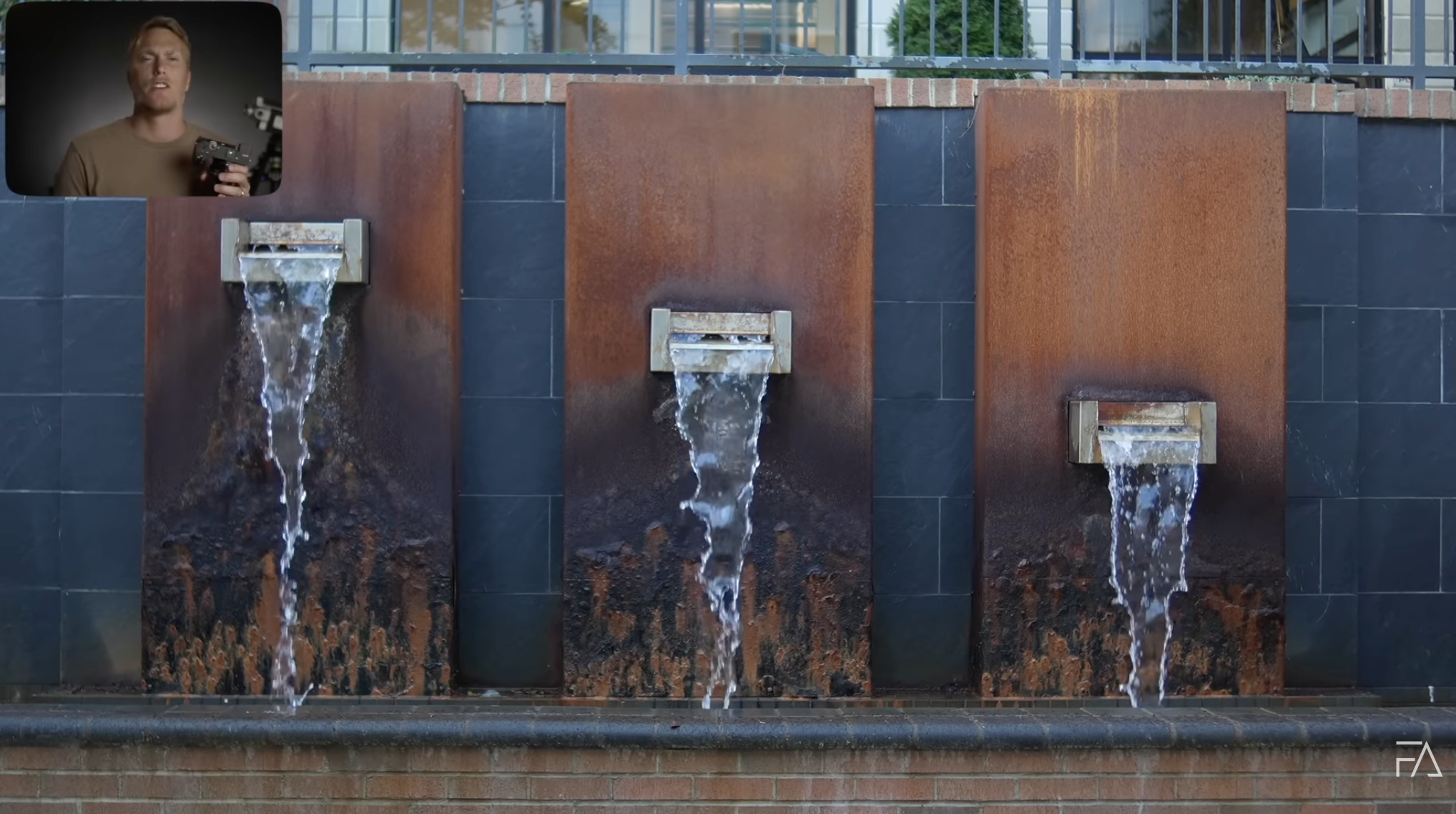
To ensure all that incredible image quality isn't ruined by camera shake, the a6700 features a 5-axis sensor-shift stabilization system. Rated by CIPA standards to provide up to 5.0 stops of compensation, this technology is critical for getting sharp handheld photos at slower shutter speeds and significantly smoother handheld video footage, reducing the need for a gimbal in many situations.

4. The Real-World Test: Addressing the "Buts"
A balanced review must acknowledge a product's weaknesses, not just its strengths. After more than 730 days with the a6700, I know exactly where its limits are. Addressing the most common concerns is crucial to providing a complete picture and helping you decide if it's the right tool for you.
4.1 The Overheating Question: Myth vs. Reality
Let's address the elephant in the room: overheating. Based on my experience, this is only a real problem under a very specific, and frankly uncommon, scenario: recording continuously for over 20 minutes with every single setting maxed out (e.g., 4K 120p 10-bit). In normal use, like shooting B-roll clips in 15-20 second bursts, I have never had an issue.
When I've used it for long-form talking head videos at 4K 24p, it can record for over an hour without any overheating at all.
For those who absolutely need to record for extended periods at the highest settings, there is a simple and effective workaround: an accessory fan from Ulanzi that clips onto the back and significantly extends recording times.
4.2 Ergonomics and Other Niggles
Beyond the overheating debate, there are a few other well-known quirks that are worth discussing.
• Single Card Slot: For professionals like wedding shooters who require in-camera backup for peace of mind, the single SD card slot can be a legitimate concern. However, the ability to record externally to a monitor via the micro HDMI port serves as a viable workaround for redundancy.
• EVF Resolution: The 2.36M-dot Electronic Viewfinder (EVF) is a lower resolution than some competitors. While noticeable, it is a functional and reasonable trade-off that helps keep the camera at its competitive price point.
• The Shutter Sound: As mentioned, the mechanical shutter is somewhat loud. This is a consideration in quiet environments, but the camera's completely silent electronic shutter mode is a great alternative.
While these limitations are real, they are only deal-breakers for a very specific, and very small, set of users.

5. My Final Recommendation: Who Isn't This Camera For?
A good recommendation isn't just about who should buy a product, but also who shouldn't. Based on the specific limitations I've just outlined, there are a couple of niche use cases where the a6700, as great as it is, might not be the absolute best choice.
First, for creators who need to do long-form live streaming for hours at a time, the risk of overheating—even if manageable—makes a camera with a built-in active cooling fan, like its sibling the Sony FX30, a more reliable and stress-free choice.
Second, for specialists who focus primarily on super slow-motion, the a6700’s 4K 120p and 1080p 240p are excellent for most needs. However, for truly extreme slow-motion effects (up to 960fps), a dedicated camera like the Sony ZV-1 would be a better tool for the job.
For everyone else, however, my verdict remains overwhelmingly positive.
--------------------------------------------------------------------------------
Conclusion: The Verdict After 730+ Days
After two years, the Sony a6700 has proven itself to be a masterful hybrid camera. It packs professional-grade photography and videography features - from a flagship-level AI autofocus system to 10-bit cinematic video - into a compact, accessible, and remarkably affordable package. It consistently delivers results that punch far above its weight class.
It has never let me down, whether capturing once-in-a-lifetime vows at a wedding or nailing focus on a fast-moving bird. I'm a little bitter that a camera this capable didn't exist when I was first starting my journey, but I’m thrilled that today’s creators have access to such a powerful tool.
For the vast majority of creators out there - from the beginner just starting their YouTube channel to the working professional needing a reliable B-cam, to the hybrid shooter who does it all - the Sony a6700 is not just a great choice. It is, quite possibly, the only camera you will actually need.
NotebookLM can be inaccurate; please double check its responses.
Author