Best Used Sony Cameras to Buy in 2026
Jul 29, 2026Get the full story watching the video above ⬆️
Buying the newest camera is not always the smartest way to spend your money.
One of the questions I get asked most often is, “Which new camera should I buy?” But in many cases, I think the better question is, “Which used camera should I buy?”
Cameras can lose hundreds of dollars in value after they are released, even though the actual image quality does not suddenly become worse. If you know what to look for, the used market can be one of the best ways to get a capable Sony camera without paying full retail price.
The cameras in this guide are models I have owned, tested, or used enough to feel comfortable recommending. Some are newer cameras with smaller discounts, while others can now be found for a fraction of their original launch price.
However, the camera with the biggest discount is not automatically the best deal.
Some of these cameras are better for photography. Some are designed more for video and content creation. Others make more sense for beginners or people who already understand manual exposure, lenses, and color grading.
Here are the best used Sony cameras I would personally consider buying in 2026.
Sony a7 III: Best Used Full-Frame Sony Hybrid Camera
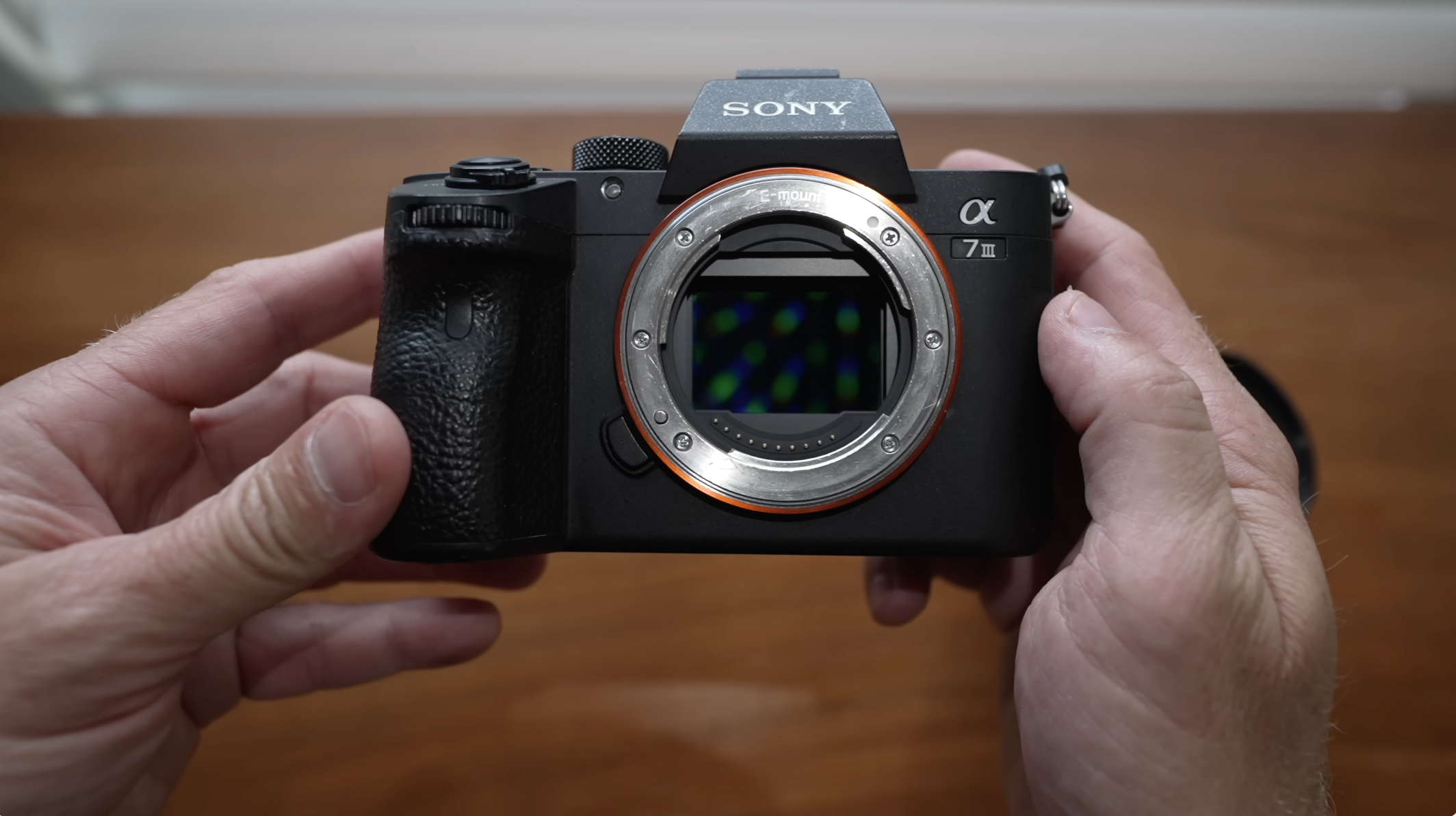
The Sony a7 III is one of the first cameras I would look at if I wanted a used full-frame camera for both photography and video.
It originally sold for around $2,000, but used bodies can often be found for approximately $999 in good condition.
The a7 III was my first full-frame camera and served as my main camera for client work for several years. I definitely have some nostalgia for it, but even without that personal connection, it still holds up extremely well.
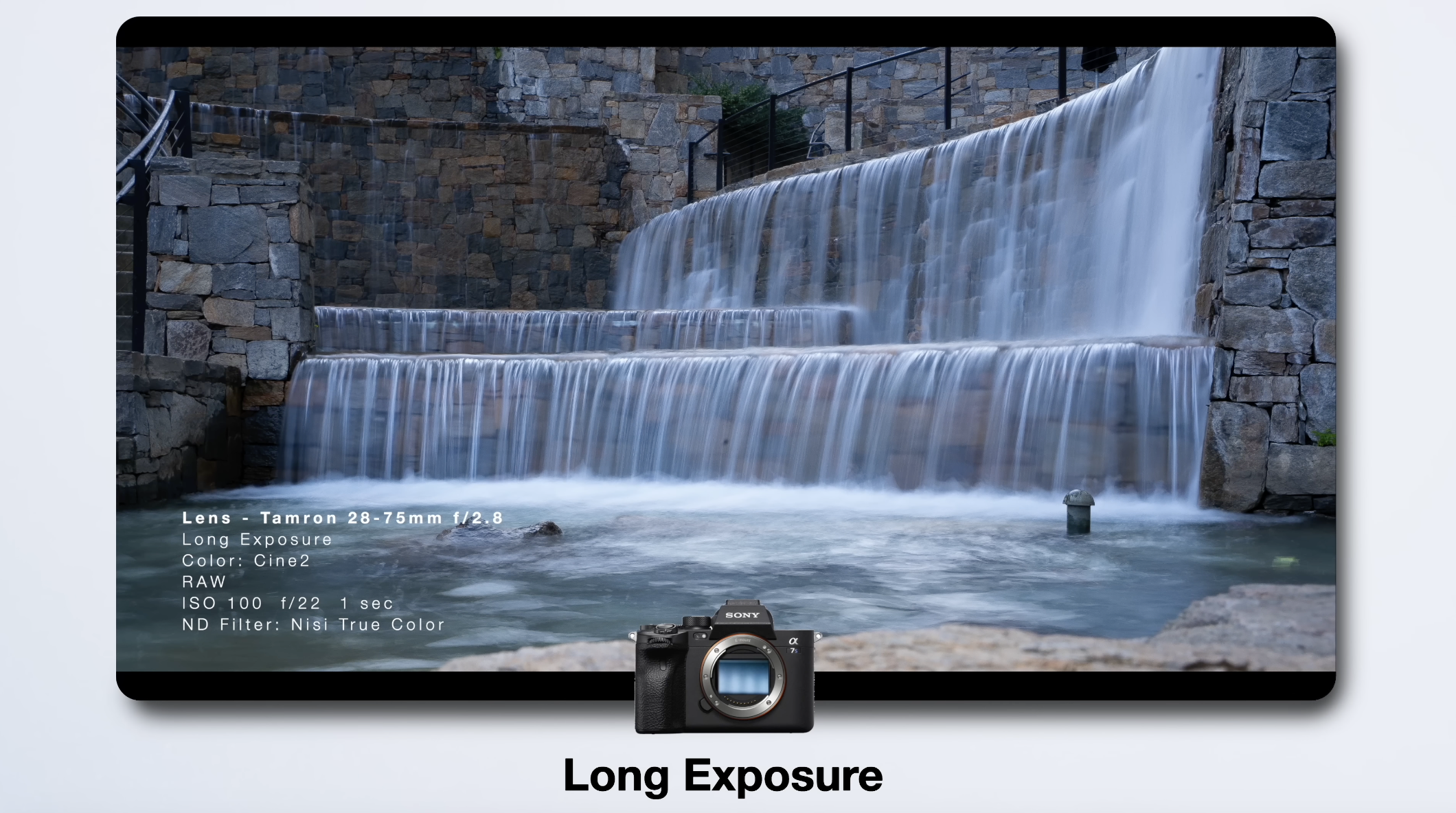
The camera produces a strong full-frame image with good dynamic range, dependable low-light performance, and plenty of flexibility for editing.
I would still feel comfortable using it for:
-
Weddings
-
Portrait photography
-
Events
-
YouTube videos
-
Talking-head content
-
Client projects
-
General hybrid photo and video work
Why the Sony a7 III Is Still Worth Buying
One of the biggest advantages is its dual card slots.
For paid work, dual card recording gives me an immediate backup if one memory card fails. I can also configure the camera to continue recording to the second card once the first one fills.
The body is larger and heavier than some of Sony’s newer compact cameras, but it also feels more professional in the hand.
It has a comfortable grip, a proper electronic viewfinder, and enough physical controls to make photography and video work feel natural.
The Sony a7 III is still one of the best used Sony cameras for someone who wants one reliable body for both photos and video.
Who Should Buy It?
The Sony a7 III makes the most sense for:
-
Hybrid photo and video shooters
-
Wedding photographers
-
Event creators
-
Portrait photographers
-
People moving into full frame
-
Creators who need dual card slots
Sony ZV-E10 II: Best Used Sony Camera for Content Creators
The Sony ZV-E10 II is a newer camera, so the used discounts may not be as dramatic as some of the older models.
However, finding one used can still save a meaningful amount compared with buying a new body.
I have used the ZV-E10 II for product shots, studio work, travel, vlogging, YouTube content, and talking-head videos. It is simply a dependable tool for creating content.
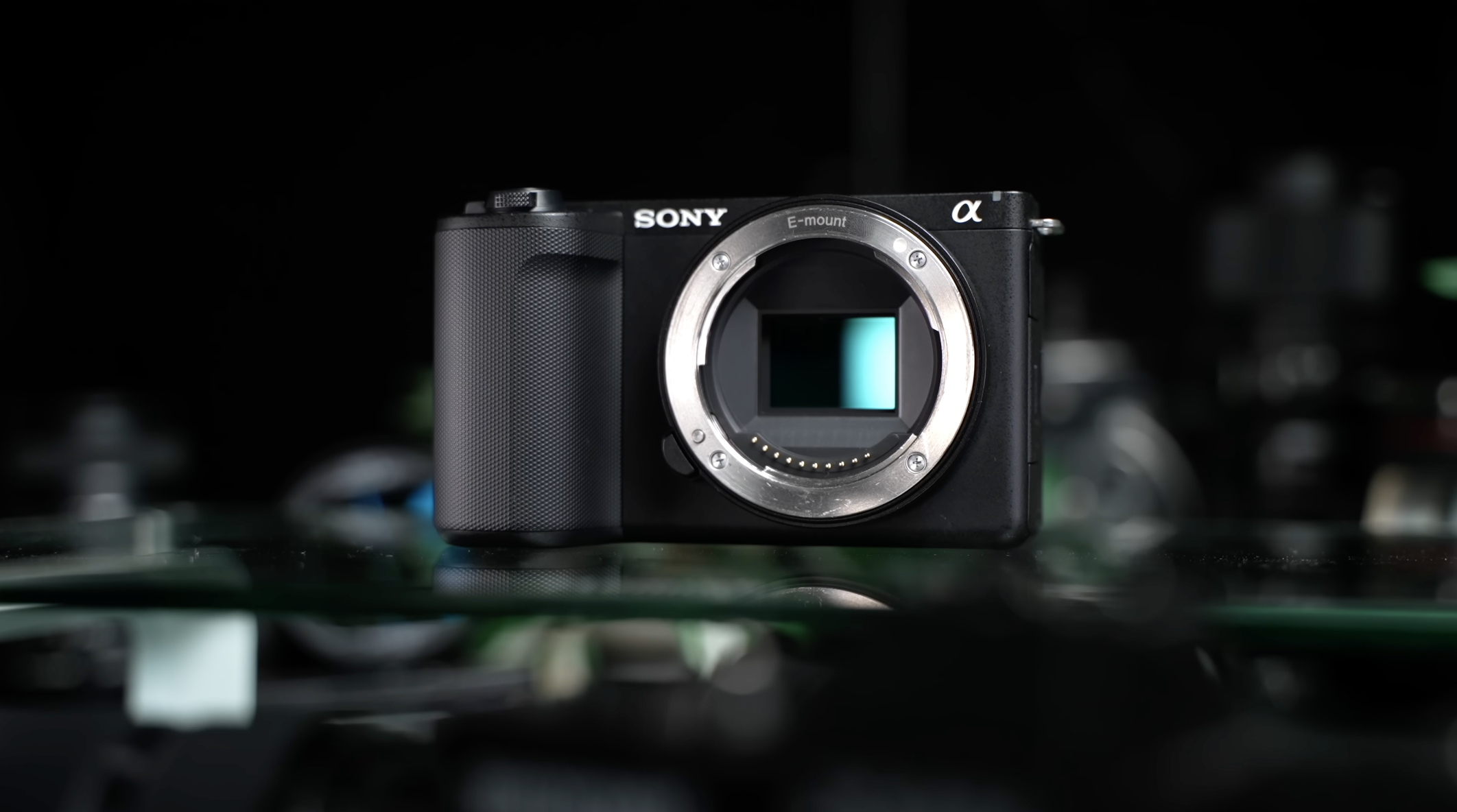
It uses a 26-megapixel APS-C sensor similar to the one found in the Sony a6700 and FX30.
It can also record up to 4K120, giving creators a lot of flexibility for slow motion and cinematic footage.
Why I Like the ZV-E10 II
Autofocus is one of its strongest features.
It tracks faces and eyes extremely well, which is helpful when I am filming alone and cannot constantly monitor focus.
The fully articulating display also makes it easy to frame myself.
This camera is especially well suited for:
-
YouTubers
-
Vloggers
-
Online educators
-
Solo content creators
-
Talking-head videos
-
Product videos
-
Social media content
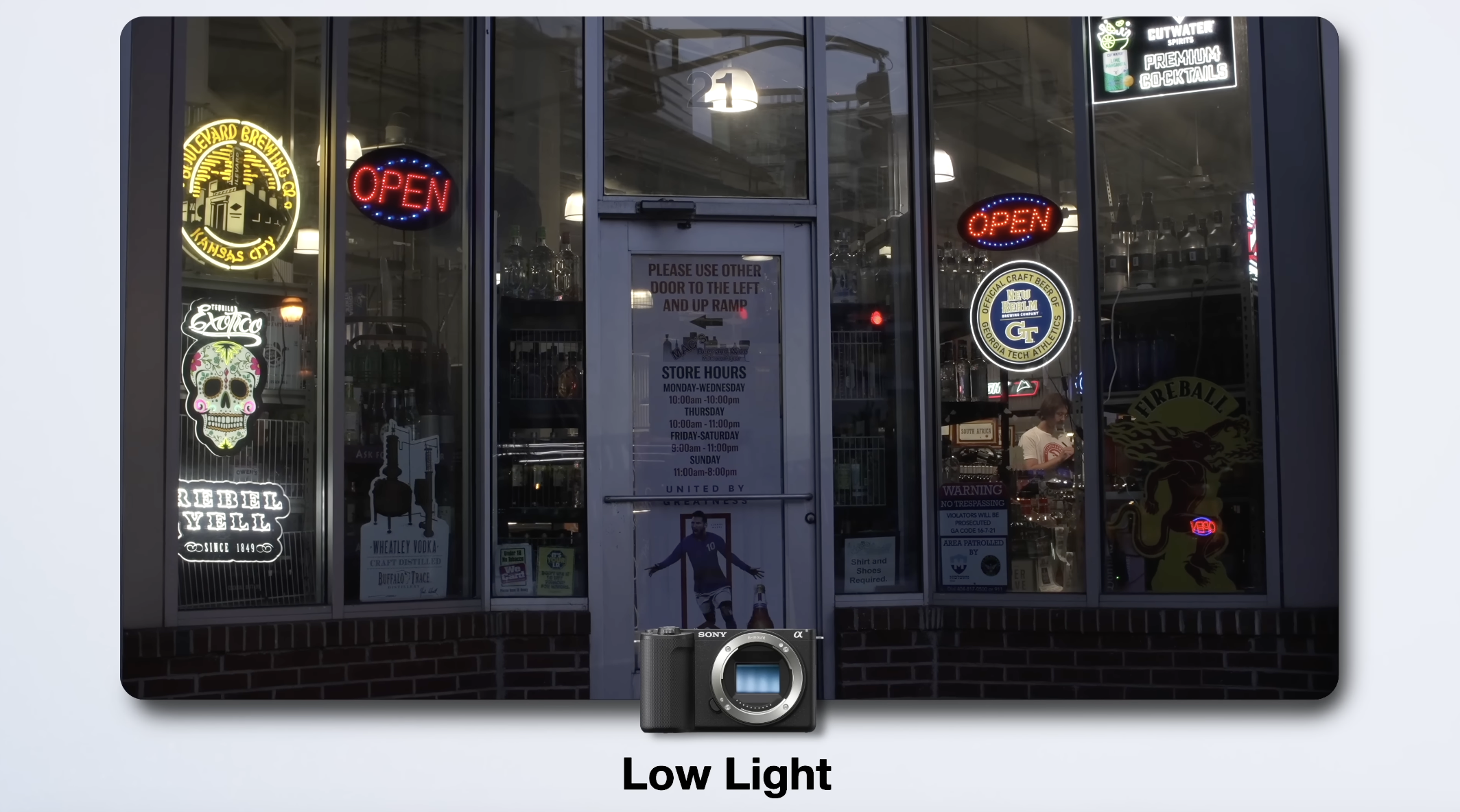
The ZV-E10 II does not have an electronic viewfinder, which may be a deal breaker for photography-first users.
For video creators, I do not think that matters as much because most people will use the flip-out display anyway.
The main reason I like this camera is that it gives me a lot of the image quality associated with more expensive Sony APS-C bodies, but in a simpler and more affordable package.
Sony ZV-1 II: Best Used Sony Point-and-Shoot for Vlogging
The Sony ZV-1 II is a strong used option for someone who wants a compact camera without dealing with interchangeable lenses.
It originally sold for close to $1,000, but used models may be available for around $460 to $470.
The main improvement over the original ZV-1 is the wider 18-50mm-equivalent lens.
That wider focal length makes a noticeable difference for:
-
Handheld vlogging
-
Group shots
-
Travel videos
-
Interior filming
-
Showing more of the environment
The original ZV-1 could sometimes feel too tight when held at arm’s length, so the wider lens is a meaningful improvement.
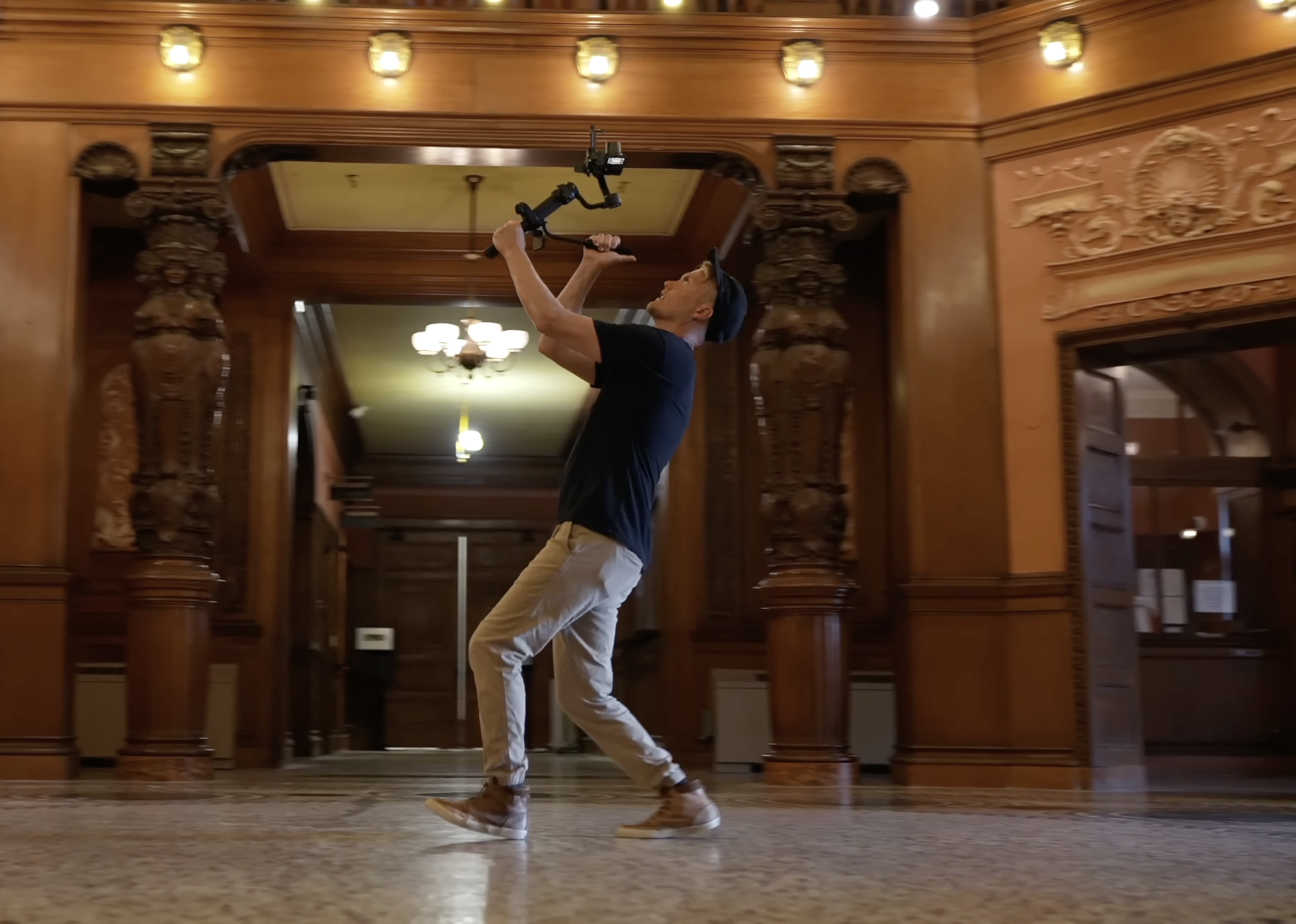
Creator-Friendly Features
The autofocus locks onto faces and eyes quickly.
Sony’s Product Showcase mode is also helpful for creators who frequently hold products toward the camera. It allows the focus to shift from the person to the product without needing to cover their face or tap the screen.
The flip-out display is responsive, and the built-in microphone can deliver decent results when used with the included windscreen.
It can also connect to a computer and work as a webcam without requiring a complicated setup.
ZV-1 II Limitations
The camera still uses a one-inch sensor, so it will not match an APS-C or full-frame camera in very dark environments.
The lens is fixed, meaning I cannot upgrade or switch focal lengths later.
It also lacks certain features found on the original ZV-1, including the high-frame-rate super-slow-motion mode and optical lens stabilization.
Even with those compromises, it remains a good used Sony camera for someone who values portability and simplicity.
Sony a7S II: Best Cheap Used Sony Full-Frame Camera for Low Light
The Sony a7S II has experienced one of the largest price drops on this list.
It originally launched for approximately $2,400 but can now sometimes be found used for around $500.
That is an incredible discount, but this camera is not for everyone.
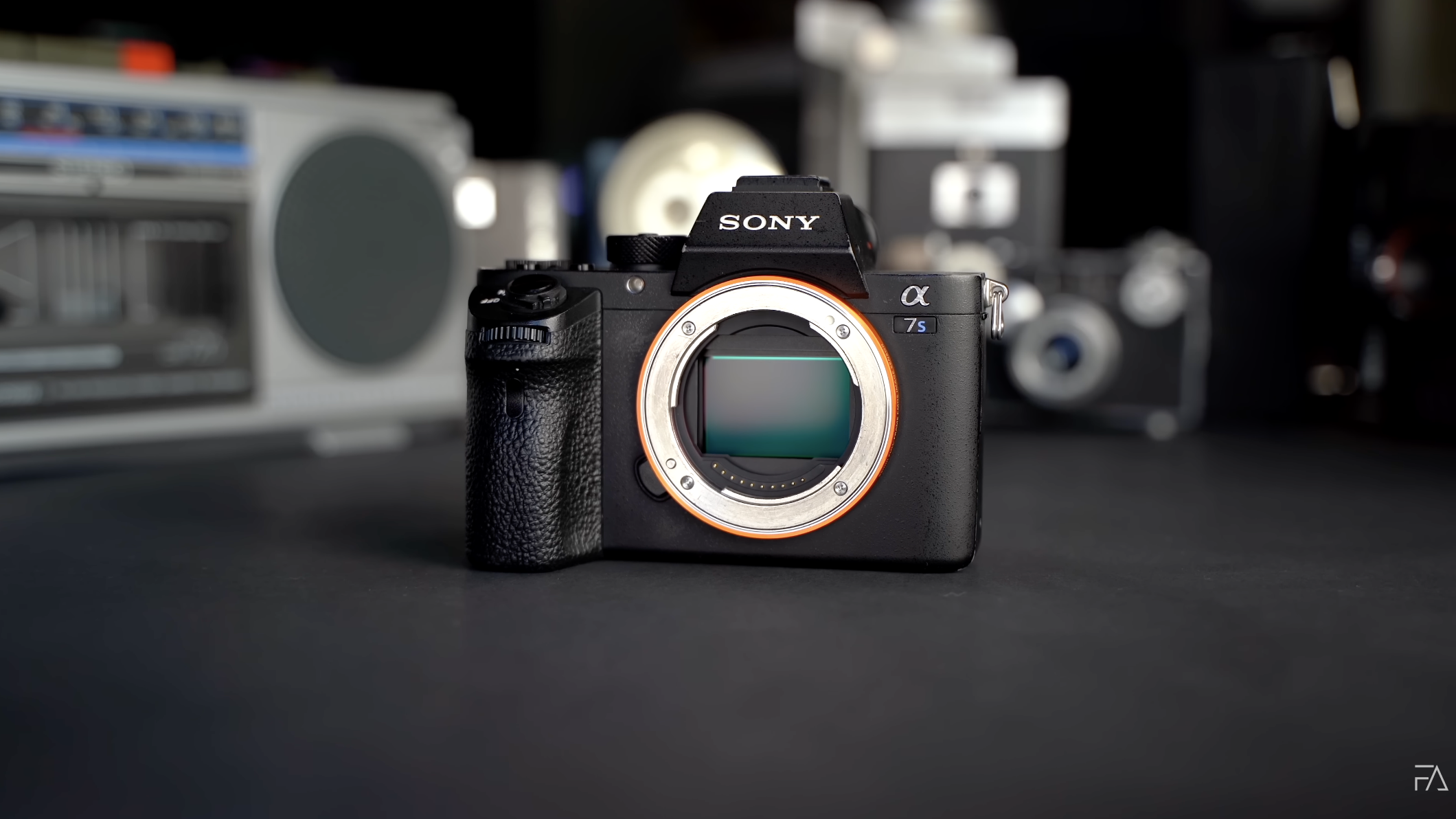
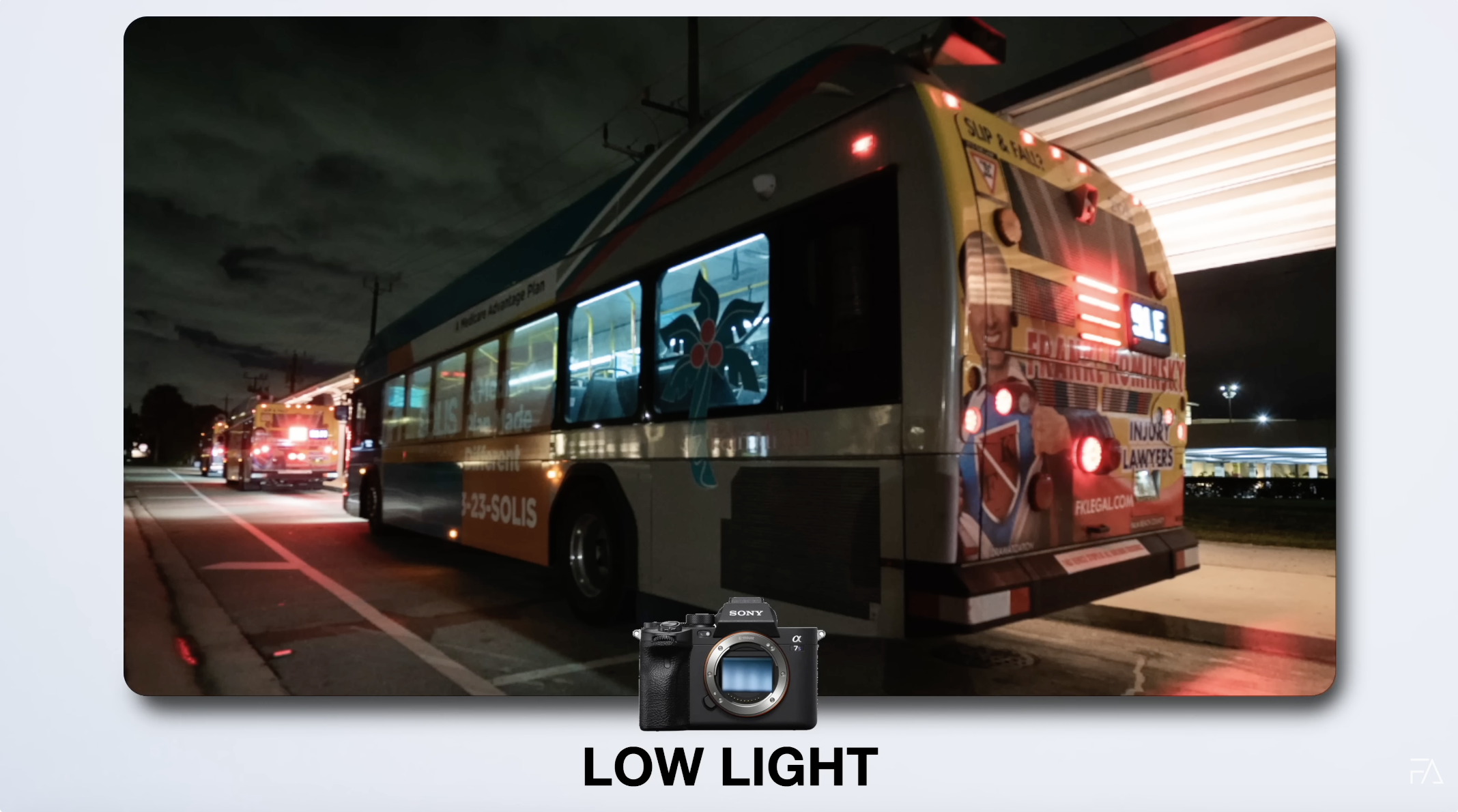
The a7S II uses a 12-megapixel full-frame sensor and is best known for its low-light video performance.
Even though it is an older camera, it can still produce beautiful footage. Its image can have a softer, more cinematic character than some newer cameras that look overly sharp or digital.
Why It Is Still Interesting
The a7S II provides an affordable entry into Sony’s full-frame E-mount system.
That means I can begin investing in full-frame Sony lenses and continue using those lenses if I upgrade the camera body later.
For controlled filmmaking, low-light scenes, music videos, and creative projects, the a7S II can still be a fun and capable tool.
Major Limitations
The autofocus is not nearly as reliable as newer Sony systems.
I would not fully trust it for solo filming, fast movement, or situations where I need the camera to track my face without assistance.
Handheld stabilization and movement also will not feel as polished as on newer cameras.
I would plan to use a tripod, monopod, or gimbal for cleaner results.
This is a camera I would recommend to someone who understands its limitations and knows how to work around them.
Sony a6400: Best Used Sony APS-C Camera Under $1,000
The Sony a6400 remains a dependable camera for both photography and video.
Used models can often be found for around $678 compared with approximately $848 new.
The discount is not as dramatic as some older cameras, but the a6400 has retained its value because it is still useful.
I have used it for casual filming, YouTube content, photography, and more polished work.
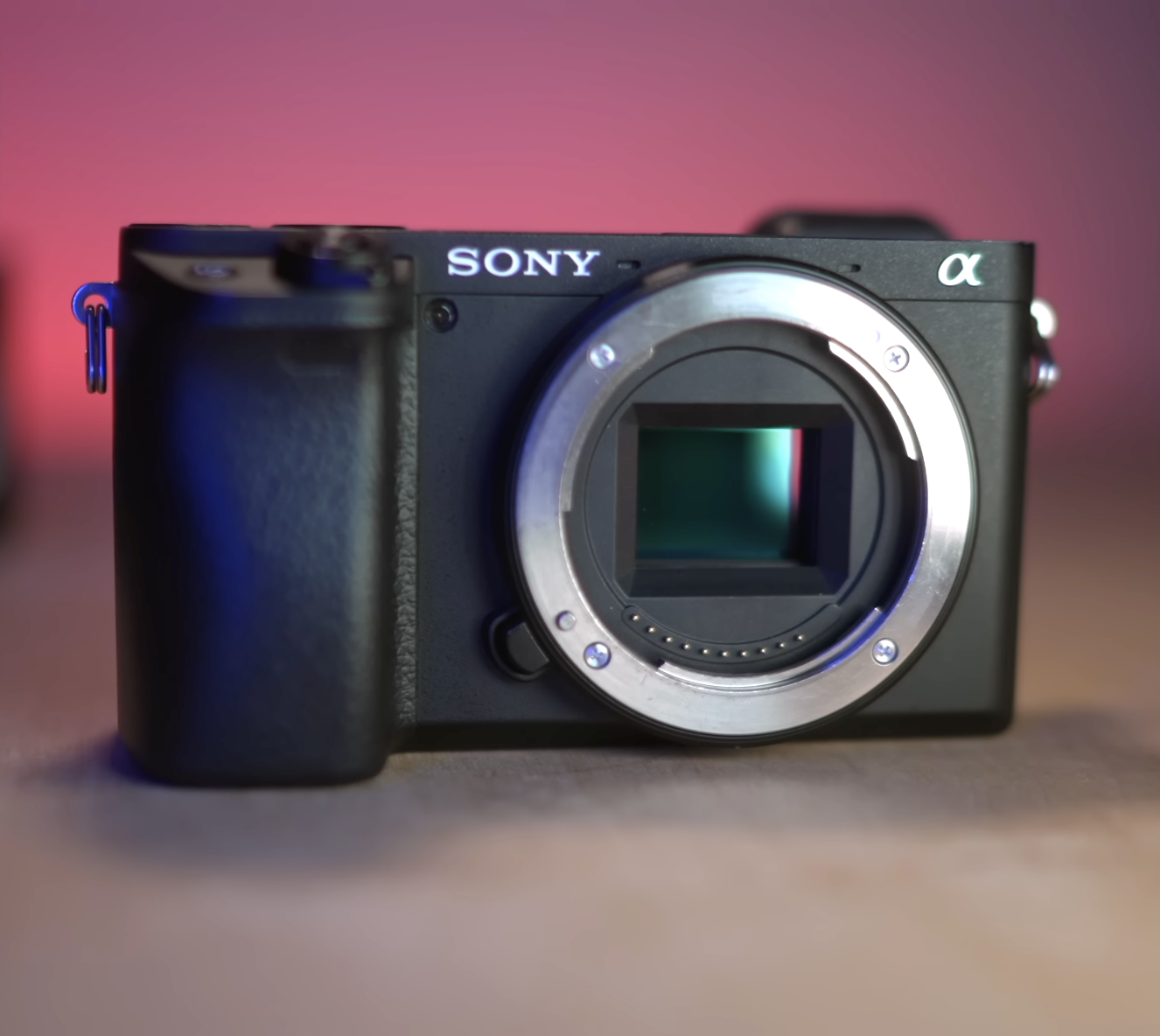
Image Quality and Autofocus
The a6400 produces sharp 4K footage without pixel binning.
Its real-time eye autofocus remains effective, even if it is not quite as advanced as Sony’s newest systems.
It is an 8-bit camera, which limits how aggressively I can push color and exposure in post-production.
For normal shooting, travel, family videos, photography, and YouTube content, the 8-bit files are often more than enough.
For heavy color grading or difficult lighting, a newer 10-bit camera will provide more flexibility.
Lens Options
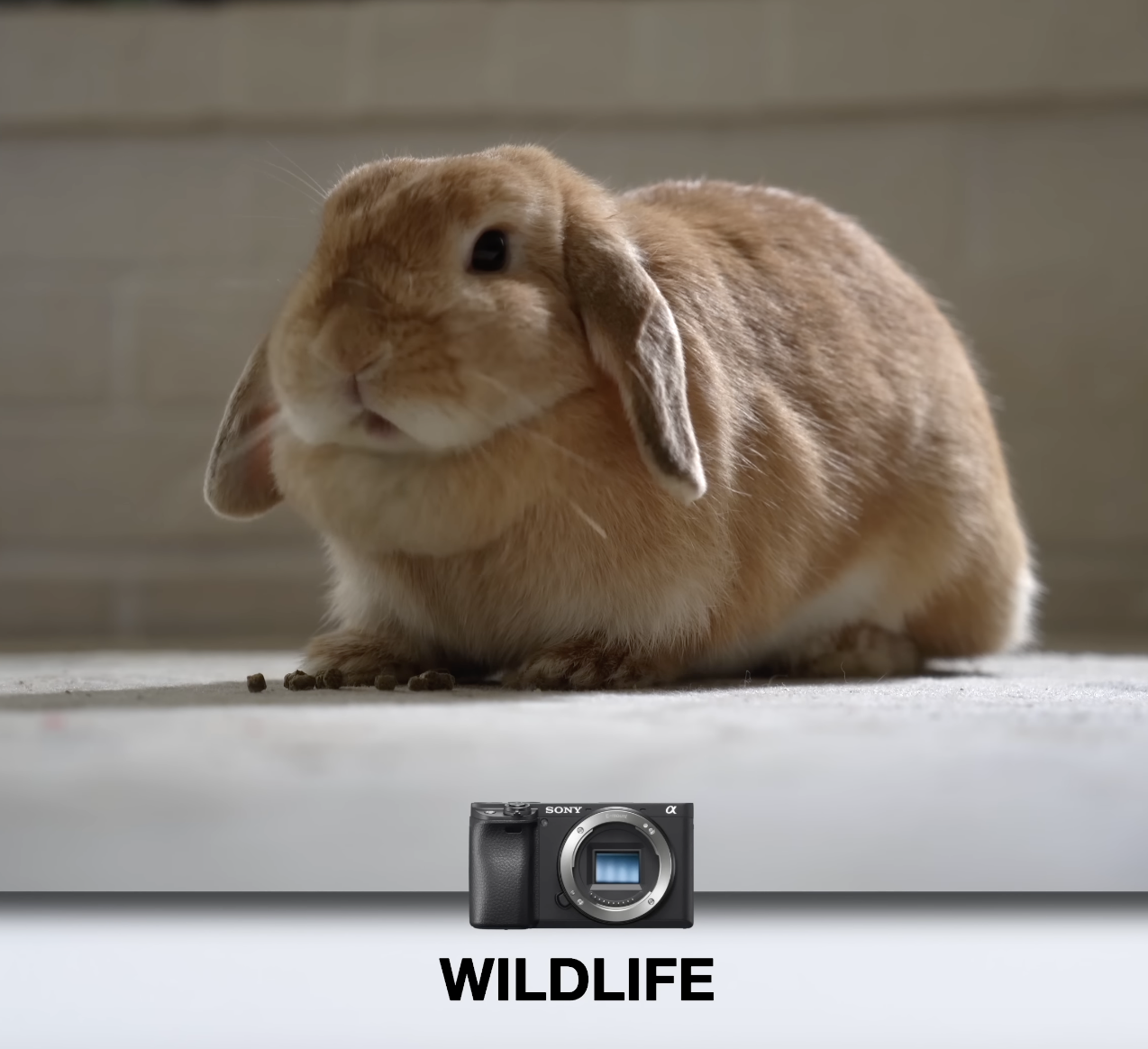
The a6400 uses Sony E-mount lenses, giving me access to lenses from Sony and third-party companies such as Sigma, Tamron, and Viltrox.
That gives it much more creative flexibility than a fixed-lens camera.
The flip-up display can help with solo filming, but it blocks the hot shoe when raised. That can become annoying when using a top-mounted microphone.
It also lacks in-body image stabilization, so handheld video may look shaky unless I use a stabilized lens, tripod, or gimbal.
For me, the a6400 leans slightly more toward photography, but it remains very capable for video.
Sony a6600: Best Used Sony APS-C Camera for Battery Life
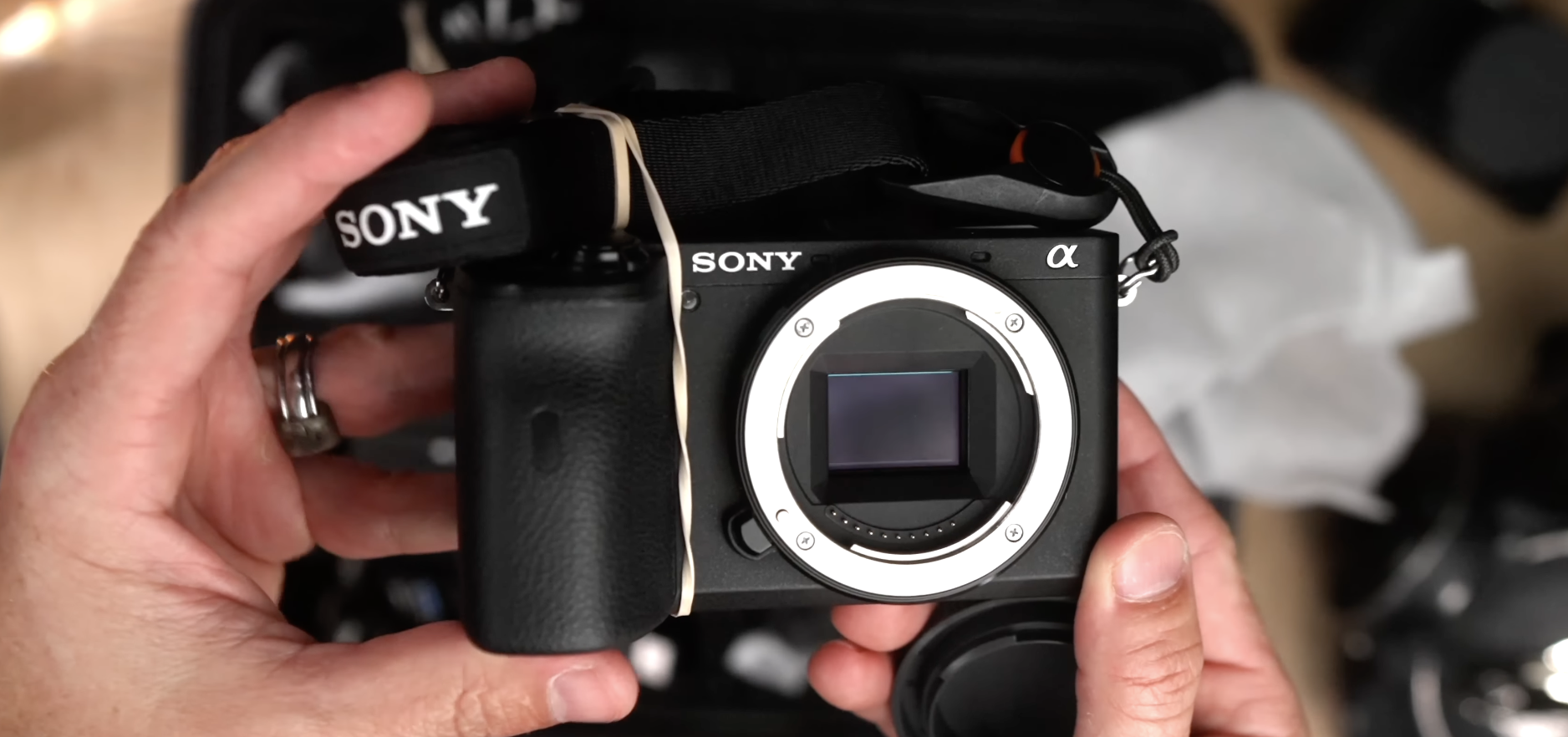
The Sony a6600 is a step up from the a6400 in several practical areas.
It originally sold for around $1,399, but used bodies may be available for approximately $749.
One of the most important improvements is the battery.
The a6600 uses Sony’s larger Z-series battery, allowing me to shoot much longer without constantly changing batteries.
That makes a real difference during long days of filming or photography.
Stabilization and Autofocus
The image quality is sharp, the colors are neutral, and autofocus is still excellent.
It tracks eyes in video, handles moving subjects well, and can even track pets.
The a6600 also includes in-body image stabilization.
The stabilization helps, but it is not a replacement for a gimbal. For extremely smooth moving footage, I would still use additional stabilization.
Video Limitations
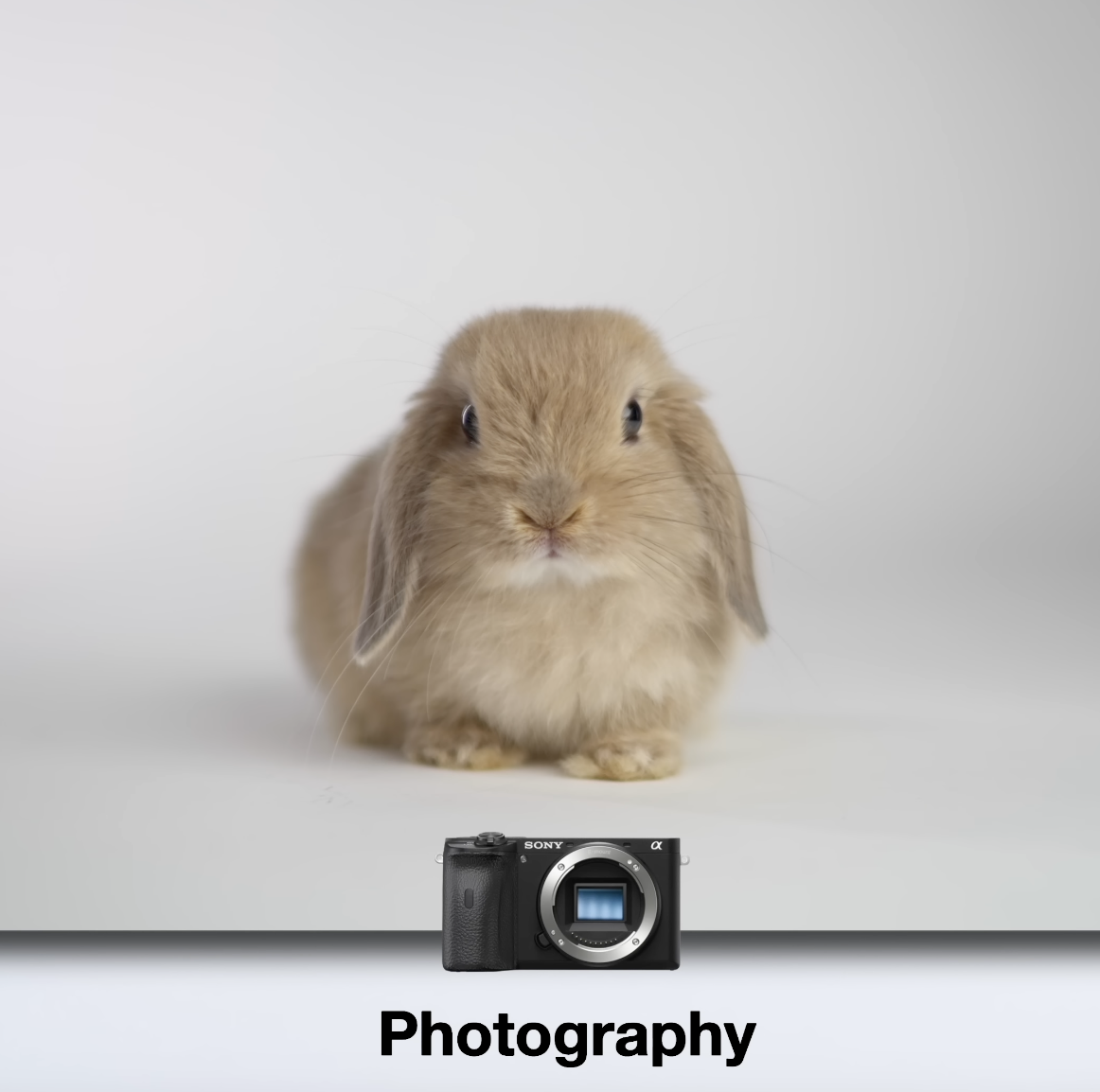
The a6600 records 4K up to 30 frames per second and does not have the newer 10-bit 4K60 or 4K120 modes.
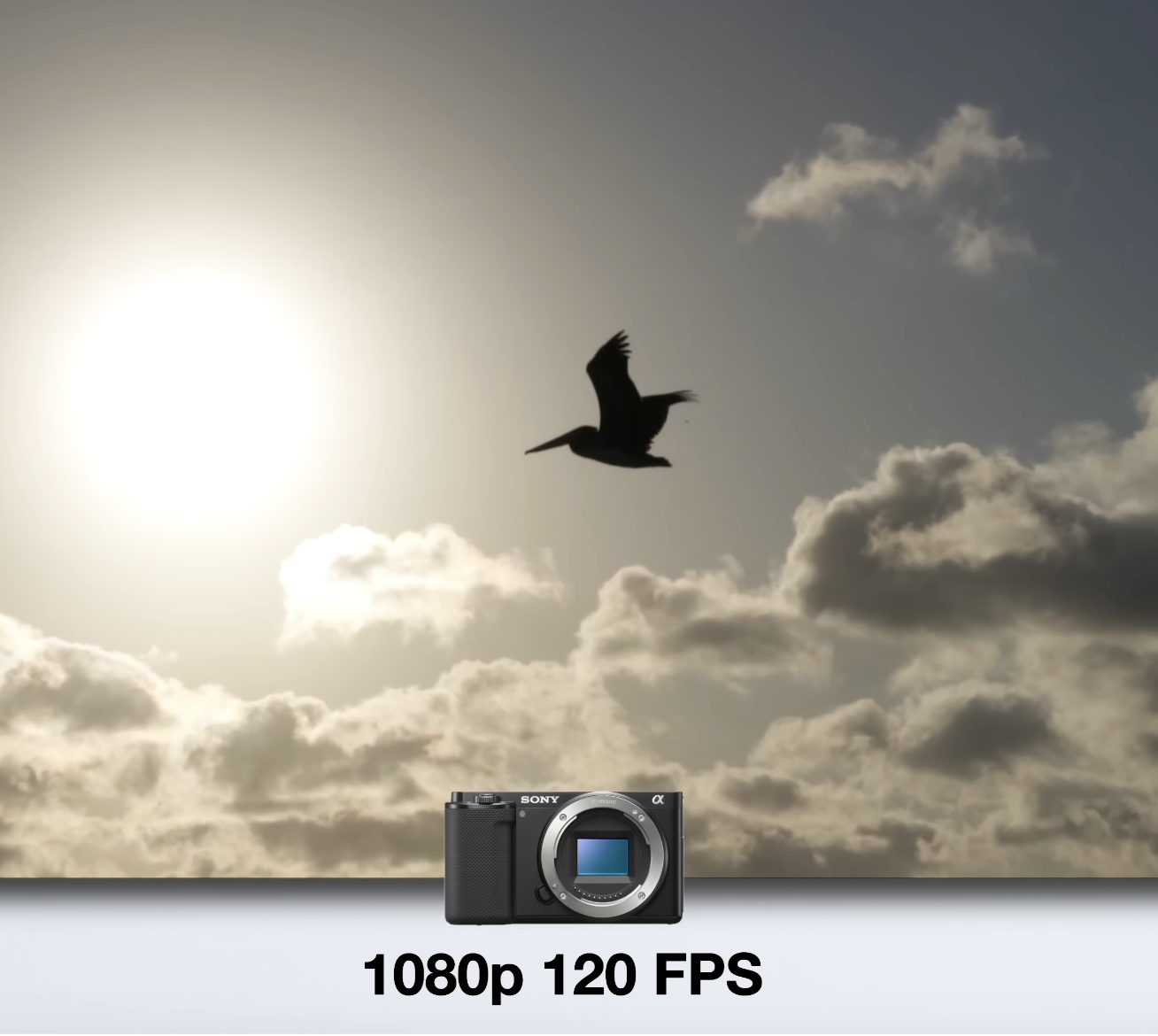
It can record 1080p up to 120 frames per second for slow motion.
The camera also supports S-Log3, although grading S-Log3 from an 8-bit file can be difficult.
For many users, a simpler picture profile or Standard color may produce a more reliable result.
The a6600 is a good used choice for someone who wants long battery life, an electronic viewfinder, in-body stabilization, and interchangeable lenses.
Sony ZV-E10: Best Used Sony Camera for Beginners
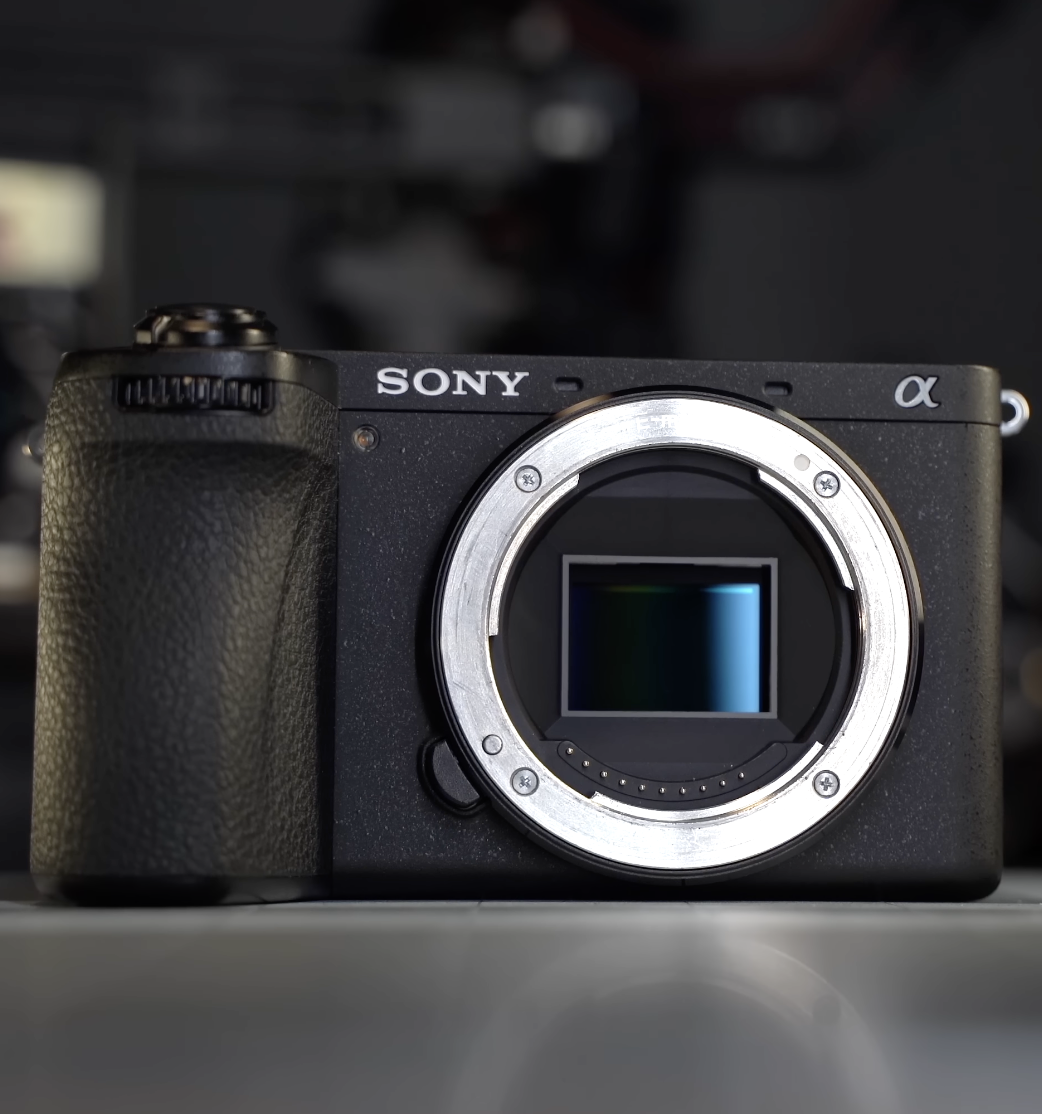
The original Sony ZV-E10 remains one of the easiest Sony cameras to recommend to beginner content creators.
It sells for around $698 new, but used bodies can often be found closer to $500.
For the price, the camera offers a lot of flexibility.
It uses a 24-megapixel APS-C sensor, has reliable eye-tracking autofocus, and includes a flip-out display.
Why It Is Good for Beginners
The ZV-E10 uses interchangeable Sony E-mount lenses.
A beginner can start with the kit lens and then upgrade to better lenses as their experience and budget grow.
Its face and eye tracking are reliable, making it easier to film without constantly worrying about focus.
It also has a microphone input and supports audio monitoring, allowing creators to build a more professional video setup over time.
Main Downsides
The camera records 4K24 without a crop, but 4K30 introduces a noticeable crop.
Active Stabilization also crops the image and does not provide especially smooth results.
For moving footage, I would use a stabilized lens, tripod, or gimbal.
Rolling shutter can also become noticeable in 4K if I pan or move the camera too quickly.
Despite those limitations, the ZV-E10 remains flexible, customizable, and beginner-friendly.
Which Used Sony Camera Should You Buy?
The best used Sony camera depends on how you plan to use it.
Best for Full-Frame Photo and Video
Choose the Sony a7 III if you want a dependable full-frame hybrid camera with dual card slots and strong low-light performance.
Best for Content Creation
Choose the Sony ZV-E10 II if you create YouTube videos, talking heads, online courses, product videos, or vlogs.
Best Compact Fixed-Lens Camera
Choose the Sony ZV-1 II if you want a small camera that is easy to carry and does not require separate lenses.
Best Cheap Full-Frame Video Camera
Choose the Sony a7S II if you want an inexpensive full-frame body for low-light or controlled creative filmmaking and can work around older autofocus.
Best Affordable APS-C Hybrid
Choose the Sony a6400 if you want sharp 4K, an electronic viewfinder, interchangeable lenses, and solid autofocus.
Best for Battery Life and Stabilization
Choose the Sony a6600 if you value longer battery life and in-body stabilization more than newer video specifications.
Best for Beginners
Choose the Sony ZV-E10 if you are starting content creation and want an affordable camera that can grow with better lenses.
What to Check Before Buying a Used Sony Camera
A used camera can save a lot of money, but I would inspect it carefully before buying.
Important things to check include:
-
Sensor condition
-
Lens mount damage
-
Screen and viewfinder operation
-
Memory card slot
-
HDMI, microphone, and USB ports
-
Autofocus performance
-
Battery condition
-
Shutter count for photography cameras
-
Overheating or recording issues
-
Signs of drops, moisture, or impact damage
-
Seller return policy
I would also confirm exactly what is included.
A listing may or may not include the original battery, charger, body cap, strap, box, or accessories.
Final Verdict
Buying used can be one of the smartest ways to enter the Sony camera system.
The key is not choosing the camera with the largest discount. It is choosing the camera that fits the way you actually shoot.
A camera that is 80% off is not a good deal if it struggles with the type of content you want to create.
For hybrid full-frame use, I would look closely at the Sony a7 III. For content creation, the ZV-E10 II is one of my favorite choices. For beginners, the original ZV-E10 remains difficult to beat.
The a6400 and a6600 are still dependable APS-C cameras, while the a7S II can be an interesting low-cost full-frame option for someone comfortable with manual control and older autofocus.
Any of these cameras can produce excellent results when paired with the right lens, settings, lighting, and experience.
Author