
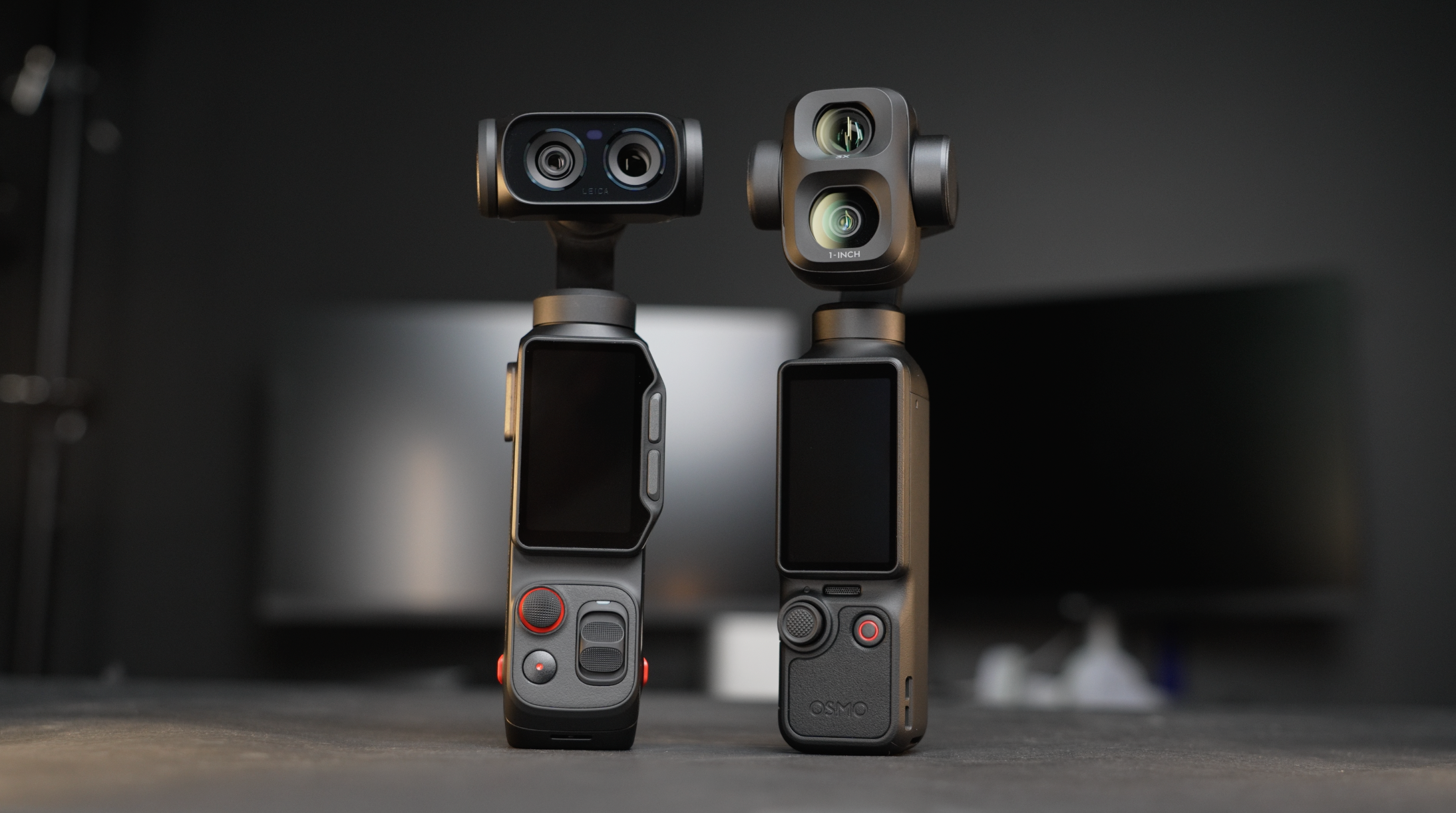
Osmo Pocket 4P vs Insta360 Luna Ultra: Which Pocket Camera Is Better?
Jul 01, 2026Get the full story watching the video above ⬆️
Purchase:
Insta360 Luna Ultra - https://geni.us/hfD0ma
The Osmo Pocket 4P vs Insta360 Luna Ultra comparison is one of the most interesting pocket camera battles right now because both of these cameras are trying to do the same thing: give creators a small, powerful, stabilized camera that can shoot high-quality video without needing a full camera rig. The Osmo Pocket series has already built a reputation as one of the best pocket cameras for creators, vloggers, travel filmmakers, and YouTubers. But the Insta360 Luna Ultra comes in swinging with a dual-lens setup, strong image quality, and a lot of features that make it feel like a real competitor.
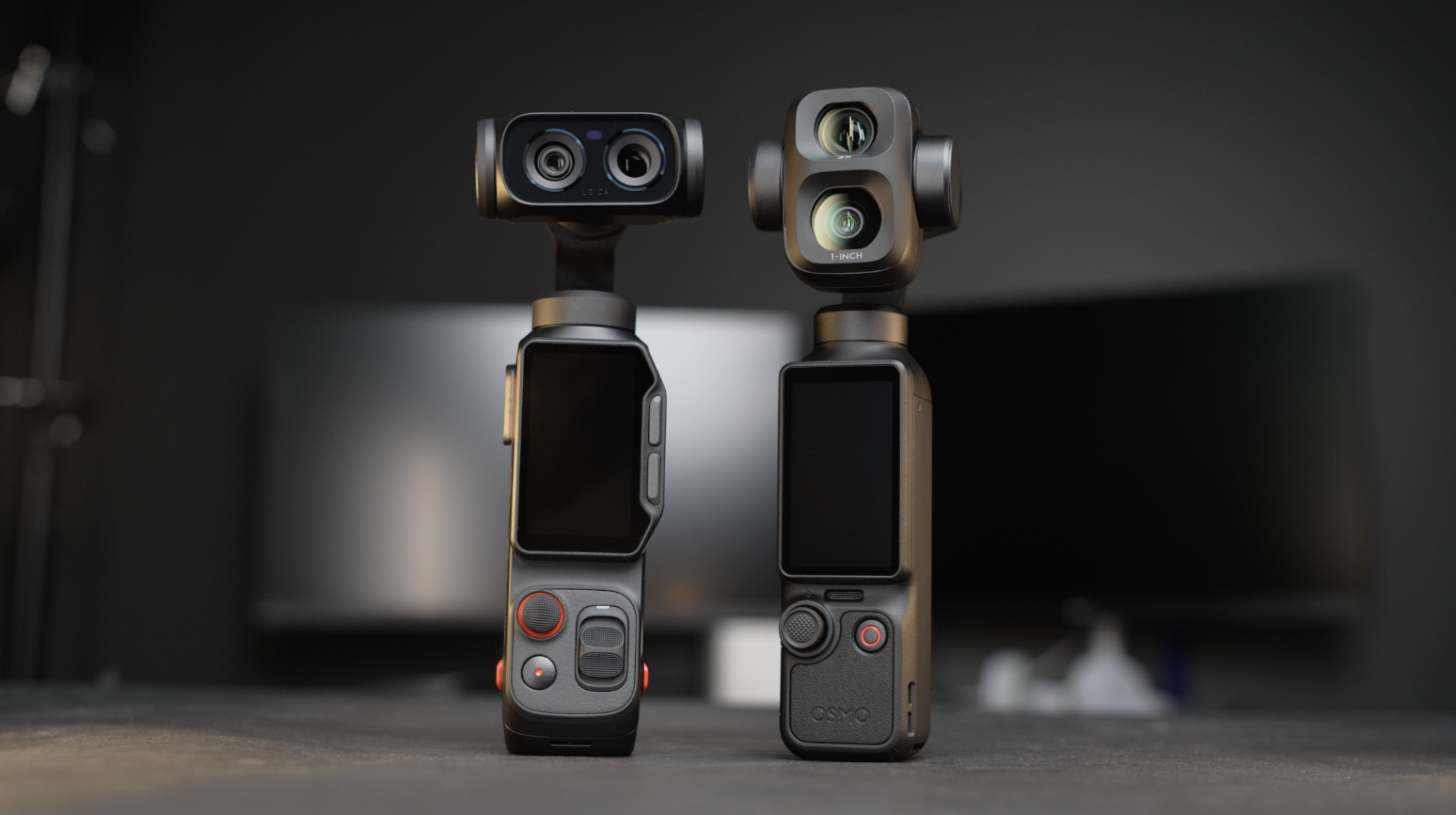
After testing the Osmo Pocket 4P and Insta360 Luna Ultra side by side in real-world shooting situations, including studio lighting, low light, 3x zoom, 12x zoom, overhead shots, active tracking, moving subjects, log footage, standard color profiles, and cinematic B-roll, I came away pretty surprised. I expected the Osmo Pocket 4P to clearly win in almost every category, but the Luna Ultra held its own way more than I thought it would.
So if you’re trying to decide between the DJI Osmo Pocket 4P and the Insta360 Luna Ultra, this comparison should help you figure out which pocket camera makes the most sense for your workflow.
Osmo Pocket 4P vs Insta360 Luna Ultra: The Big Picture
The Osmo Pocket 4P and Insta360 Luna Ultra are both compact pocket cameras designed for creators who want smooth footage, small size, fast setup, and better image quality than a smartphone. Both cameras are built around the idea of being able to pull a camera out of your bag, turn it on, and immediately start creating cinematic-looking footage.
The biggest reason these two cameras are being compared is because both the Osmo Pocket 4P and the Luna Ultra have a dual-lens setup. The Osmo Pocket 4P gives you a 20mm equivalent wide lens and a 60mm equivalent medium telephoto lens. That means you get a wider vlogging-style lens for everyday shooting and a tighter 3x lens for portraits, product shots, details, compression, and cinematic B-roll.
The Insta360 Luna Ultra has a very similar setup. It also gives you a 20mm wide lens and a 60mm telephoto lens, which means on paper these two cameras are going after the exact same type of creator. If you want one pocket-sized camera that can shoot wide establishing shots and tighter cinematic detail shots, both cameras can technically do that.
But once you start putting them side by side, the differences start to show up.
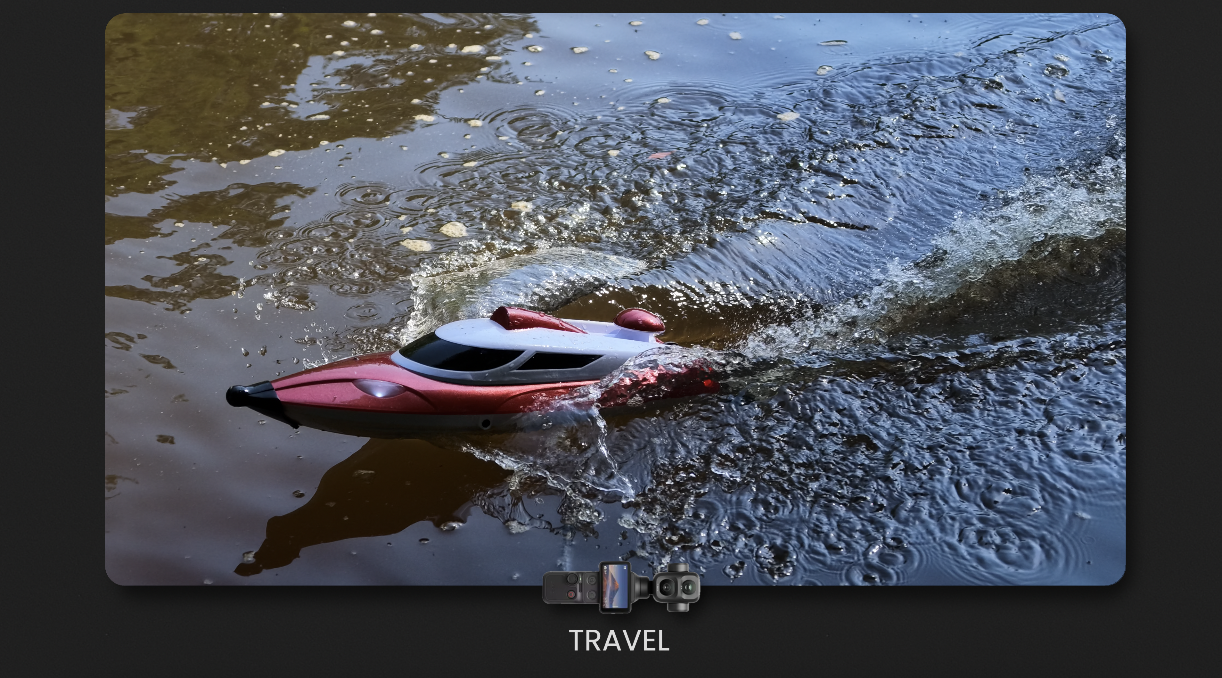
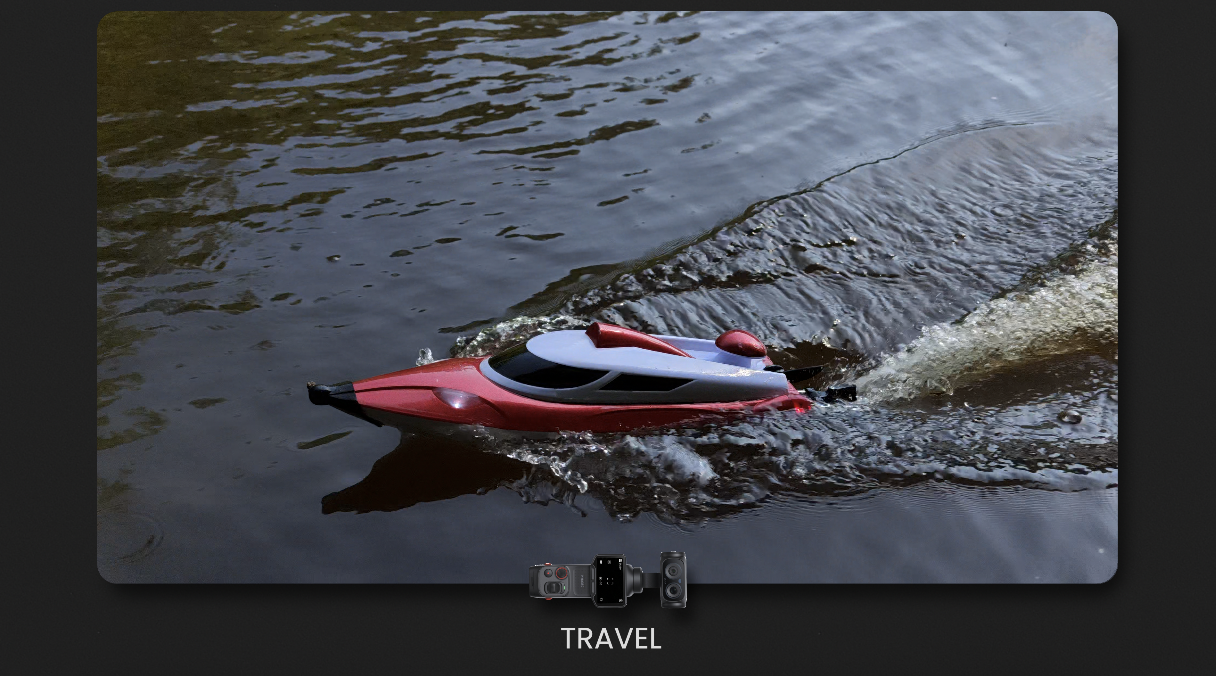
Image Quality: The Osmo Pocket 4P Has the Edge
When it comes to overall image quality, I think the Osmo Pocket 4P is the better camera. Both cameras can look really good, especially in 4K, and there are definitely shots where the Luna Ultra is surprisingly close. But the Osmo Pocket 4P has a more polished image overall.
The biggest difference I noticed was dynamic range. In high contrast scenes, the Osmo Pocket 4P was able to hold onto highlights better, keep skies from completely blowing out, and preserve more detail in both the bright and dark areas of the image. When you see the two cameras side by side, the Pocket 4P just has a cleaner, more controlled image.
The Luna Ultra tends to expose a little brighter, even when both cameras are exposed the same way. In some situations, that brighter look can be nice, especially if you like a more lifted image straight out of camera. But in tougher lighting, that extra brightness can make skies blow out faster, foliage look a little neon, and highlights feel less controlled.
That’s really where the Osmo Pocket 4P started to separate itself. The Luna Ultra can absolutely produce good-looking footage, but the Pocket 4P gives you more confidence when the lighting gets tricky.
Dynamic Range: Pocket 4P Looks More Cinematic
Dynamic range is one of the biggest reasons I like the Osmo Pocket 4P better. In outdoor shots, especially when dealing with bright skies, reflective water, or backlit subjects, the Pocket 4P simply handled the image better.
The Osmo Pocket 4P was able to keep more detail in the sky and still hold onto the shadows. The Luna Ultra, on the other hand, had a tendency to brighten the image and lose some of that highlight detail. In a lot of shots, if you weren’t comparing them side by side, the Luna Ultra would look totally fine. But once you see the Pocket 4P’s dynamic range next to it, it’s hard to unsee the difference.
The Pocket 4P also has more of a cinematic, movie-like look in certain situations. The colors feel a little deeper, the highlights feel more controlled, and the overall image has more depth. That doesn’t mean the Luna Ultra looks bad. It just has a different look. The Luna Ultra is a little brighter and sometimes a little more digital-looking, while the Osmo Pocket 4P feels more refined.
Skin Tones: Osmo Pocket 4P Wins in Controlled Lighting
For studio lighting, talking head videos, and controlled environments, the Osmo Pocket 4P did a better job with skin tones. In a proper studio setup, the Pocket 4P looked clean, natural, and surprisingly good for such a small camera.
Honestly, the Osmo Pocket 4P looked good enough that I could see someone using it as a small studio talking head camera, which is kind of crazy for a pocket camera. The skin tones looked more natural, and the image had that polished look that makes it easier to use in a real video production workflow.
The Insta360 Luna Ultra was usable in the same type of shot, but something about the skin tones felt a little off. It had more of that smartphone-style look in some situations. It wasn’t terrible, but compared directly to the Osmo Pocket 4P, the Pocket 4P looked better.
One thing I would definitely recommend with the Luna Ultra is turning off any beauty effect if you care about accurate skin tones. Beauty modes can quickly make skin look unnatural, especially if you’re trying to create a professional-looking YouTube video, course video, or talking head setup.
Low Light: The Luna Ultra Was Surprisingly Good
Low light is where things got more interesting. I expected the Osmo Pocket 4P to clearly win here, but there were a few low-light shots where I actually preferred the Insta360 Luna Ultra.
In basic low light, both cameras were closer than I expected. The noise levels and color performance were very similar in some 4K 24fps shots. In a few cases, the Luna Ultra had skin tones that looked better to my eye than they did in the controlled studio lighting test. That surprised me.
There were also some low-light neon shots where I liked the Luna Ultra’s color better, especially with certain red tones. The Osmo Pocket 4P still had a more cinematic look overall, but the Luna Ultra was not far behind.
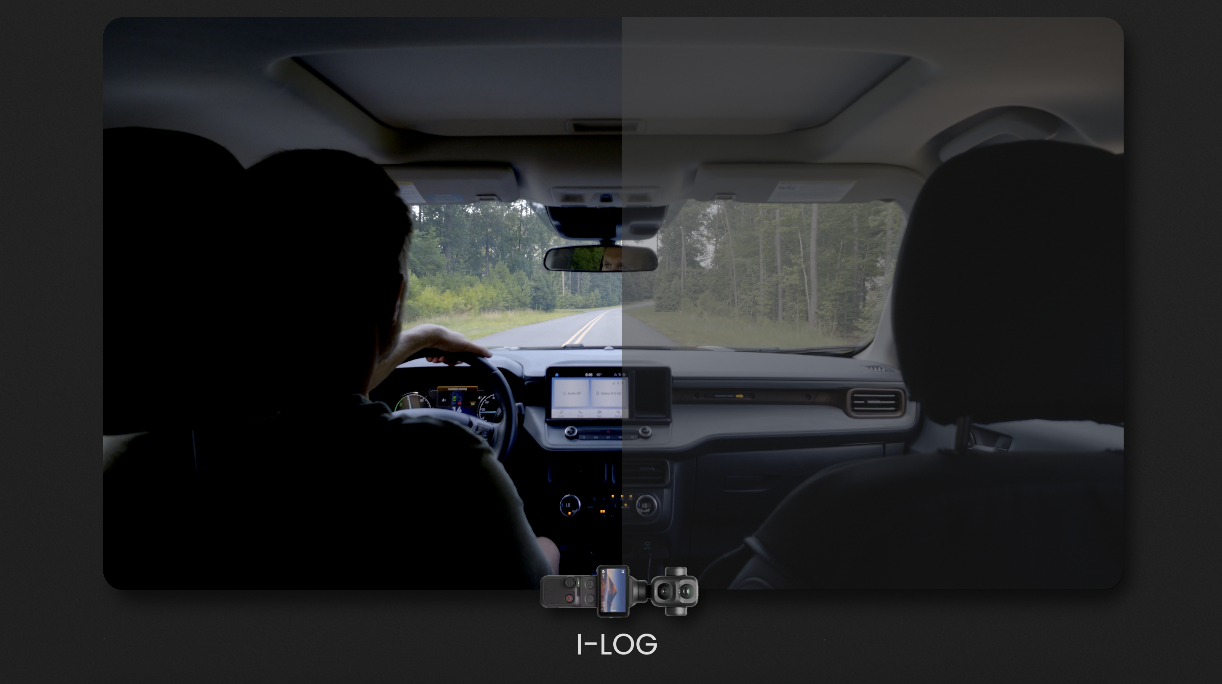
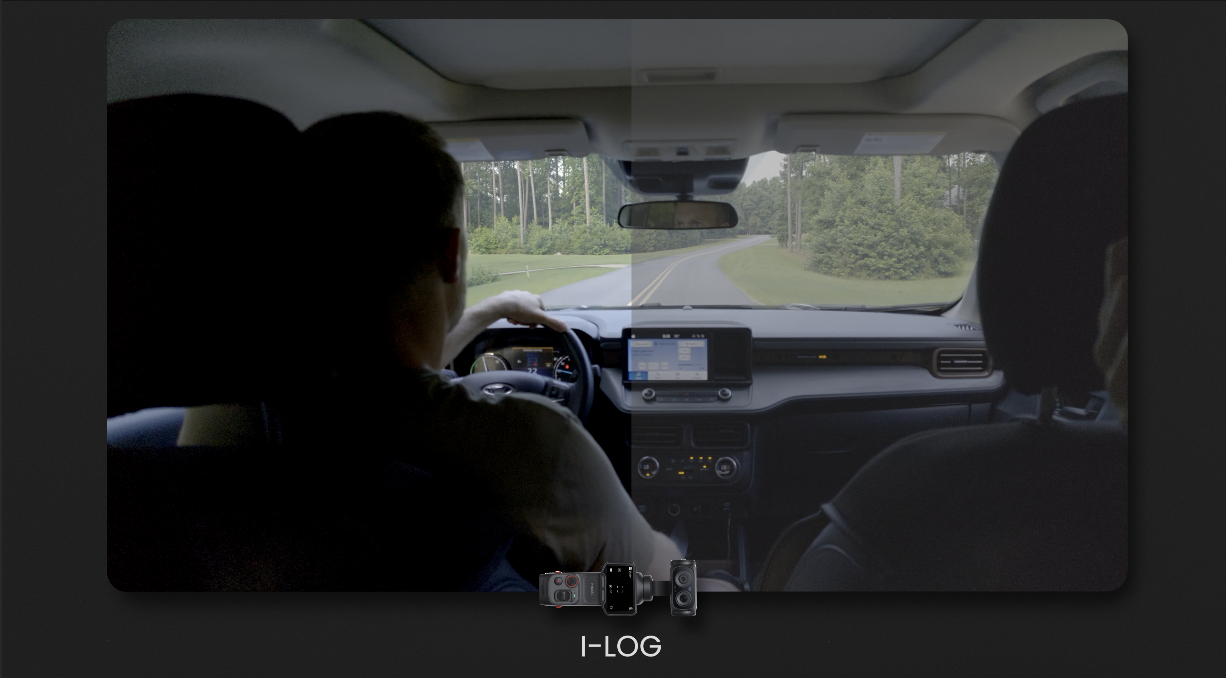
That said, when shooting in log in low light, I would be more careful with the Luna Ultra. From my testing, I think the Luna Ultra looks better in low light when using the normal color profile instead of i-Log. The Osmo Pocket 4P gives you more flexibility in D-Log 2, especially if you need to recover shadows or highlights in post.
Log Profiles: D-Log 2 Is a Big Win for the Osmo Pocket 4P
One of the biggest advantages of the Osmo Pocket 4P is D-Log 2. When shooting with the 1x camera, D-Log 2 gives you a lot of flexibility in post-production. You can recover highlights, bring back sky detail, lift shadows, and color grade the footage in a way that feels much more professional.
The Luna Ultra’s i-Log is still good, especially in good lighting, but it doesn’t have the same dynamic range as D-Log 2. In bright outdoor scenes, the Pocket 4P gave me more room to bring back detail in the sky and fix shots that were slightly overexposed.
The only downside with the Osmo Pocket 4P is that D-Log 2 is only available on the 1x camera. If you want to use the 3x telephoto camera, you have to use regular D-Log instead of D-Log 2. That’s a little frustrating because the 3x camera is one of the main reasons I like this type of pocket camera in the first place.
So yes, D-Log 2 is a major advantage for the Pocket 4P, but I really wish DJI allowed it on both lenses.
Standard Color Profile: Both Cameras Look Good
If you don’t want to shoot in log, both cameras have solid standard color profiles. For everyday shooting, travel videos, family videos, product shots, and quick YouTube clips, you could use either camera in the standard color profile and get good results.
The Osmo Pocket 4P sometimes looked a little oversaturated in overhead shots, so I might bring the saturation down a little in post. The Luna Ultra, on the other hand, looked pretty good in standard color for certain overhead shots, even though it was still a little more exposed than the Pocket 4P.
In controlled lighting, especially interior product shots, there wasn’t a massive difference between the two cameras. Both looked good enough that I could use either one. But once you move into more difficult lighting, especially outdoors with bright skies, the Pocket 4P starts pulling ahead again.
Zoom and Lens Performance
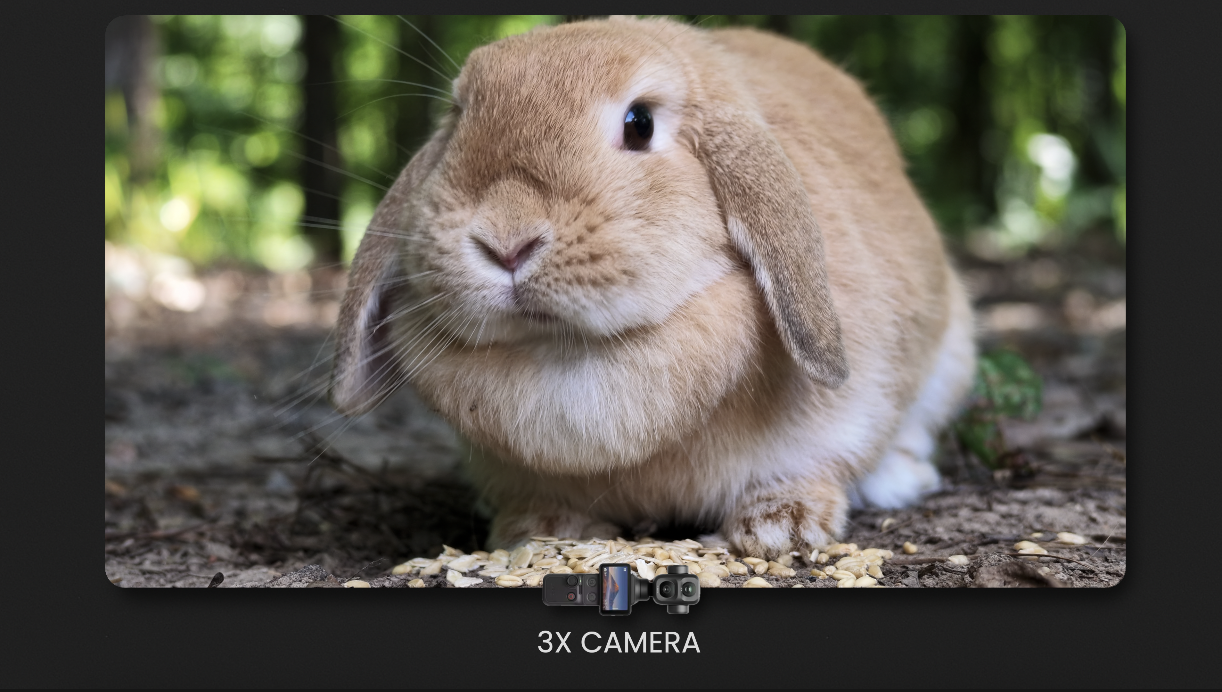
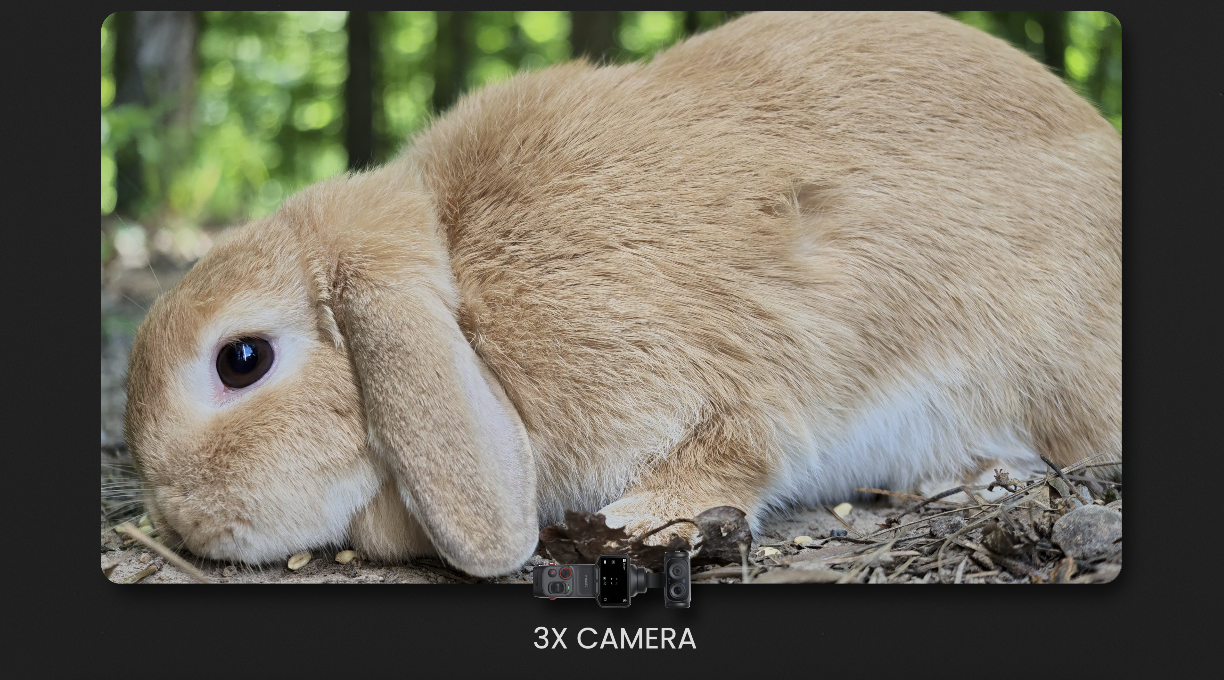
Both cameras have a 20mm wide lens and a 60mm telephoto lens, which gives you a lot of flexibility in such a small camera. The 3x lens is great for tighter shots, product videos, portraits, compression, and more cinematic-looking B-roll.
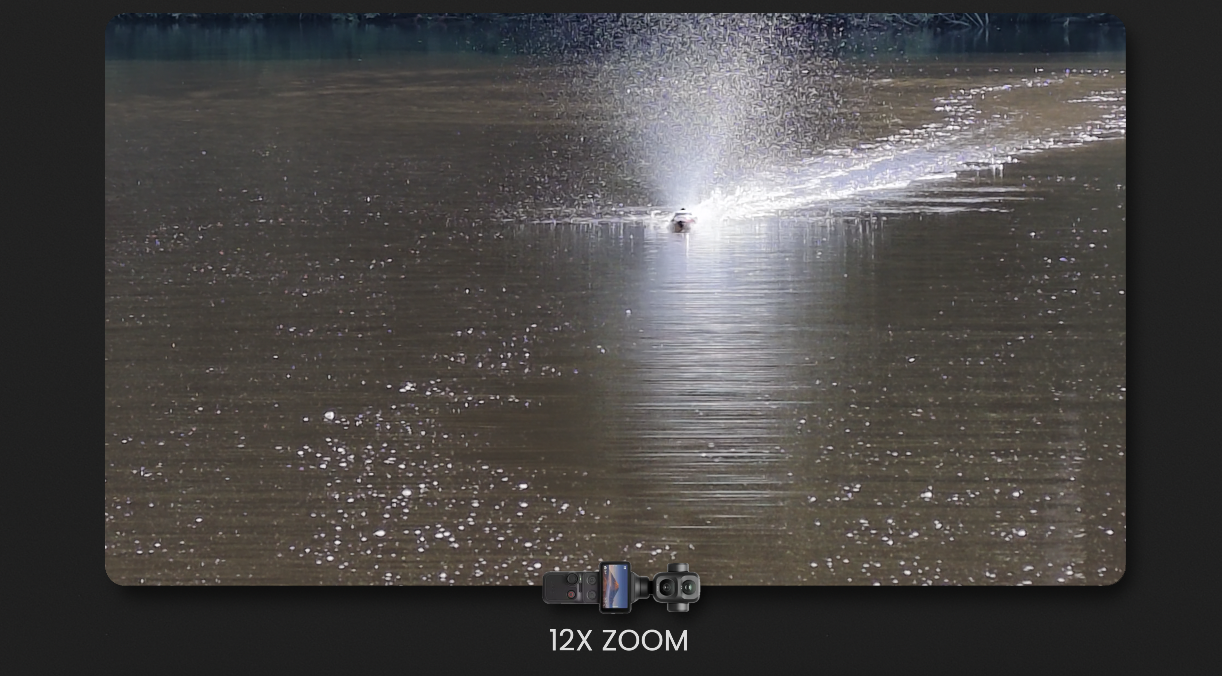
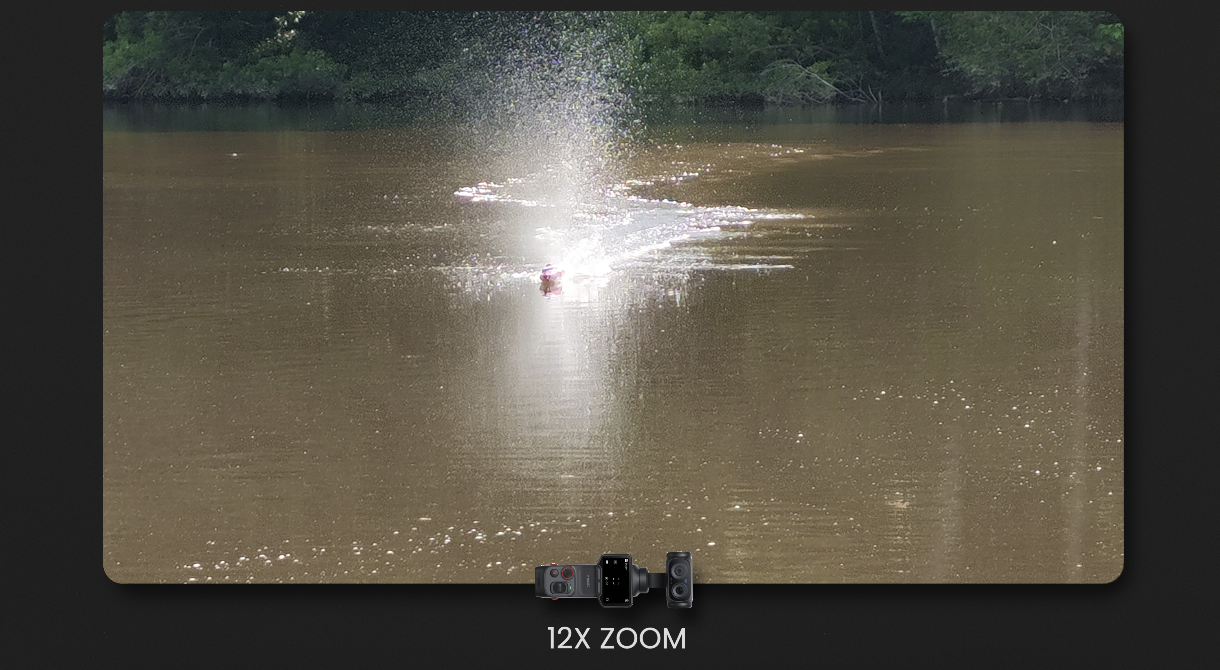
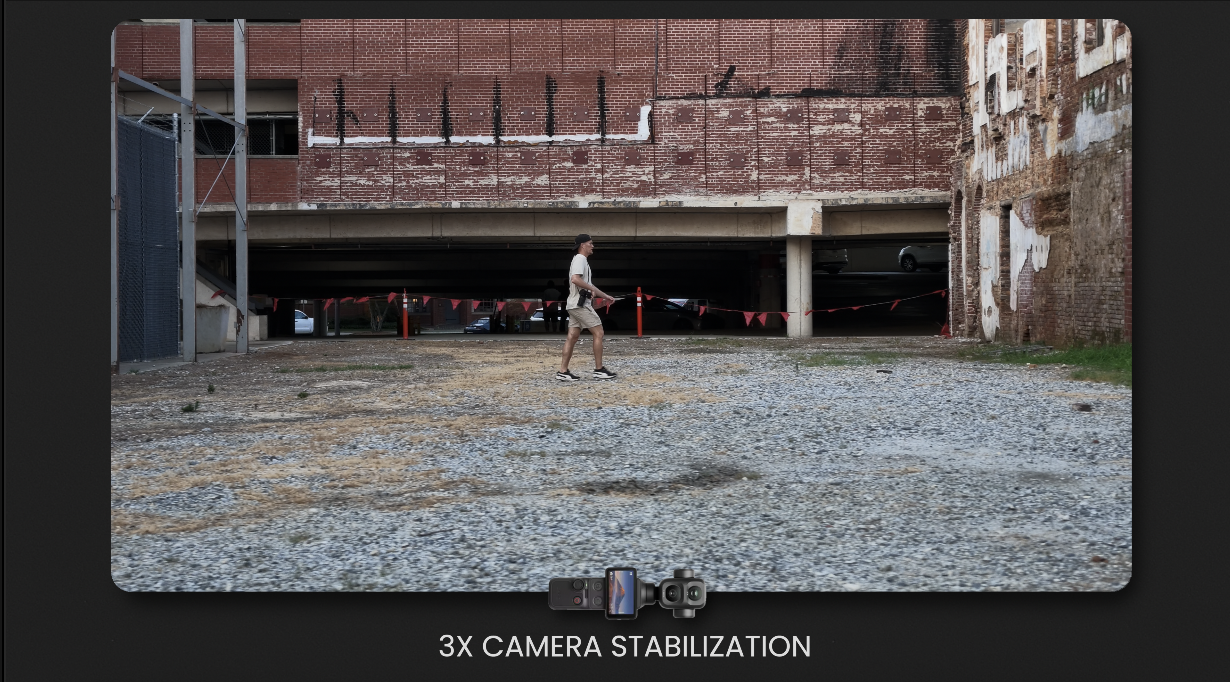
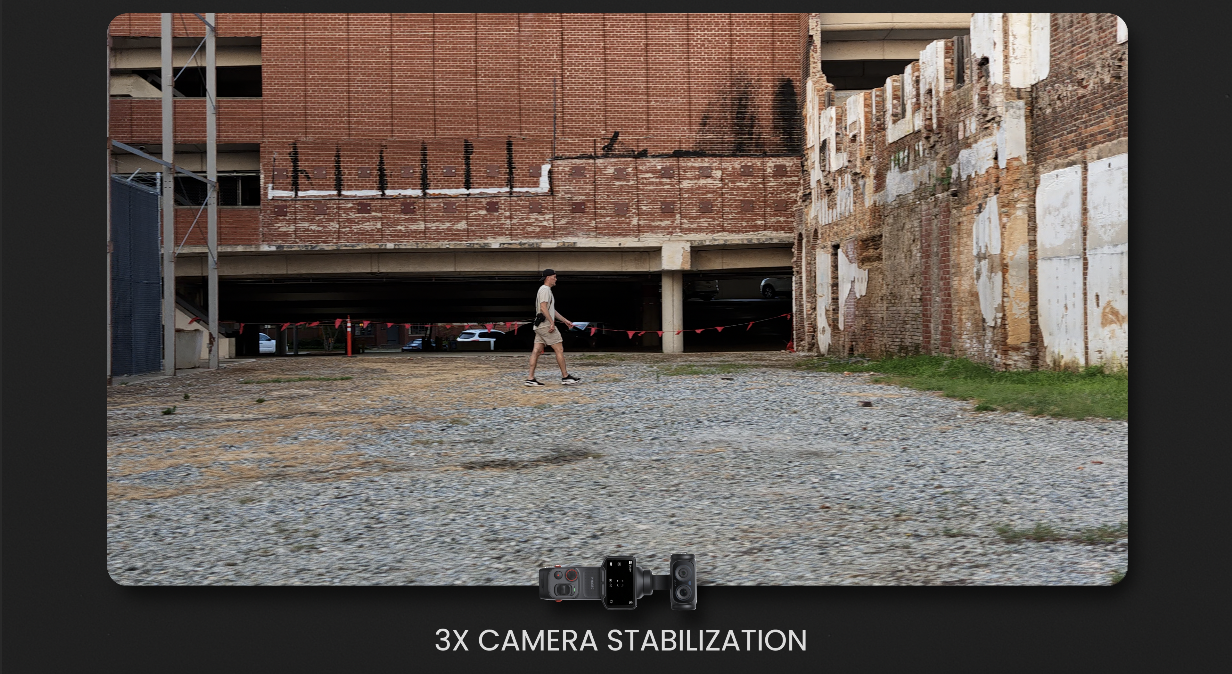
At 3x zoom, stabilization looked good on both cameras. The footage was smooth, and I didn’t notice a huge difference in basic handheld shots. At 12x zoom, both cameras started to look more like camcorders, which makes sense because once you push these small cameras that far, the image starts to feel less natural.
In backlit 12x zoom shots, I think the Osmo Pocket 4P did a better job with detail. Both cameras struggled a little, but the Pocket 4P retained more true-looking colors and handled the shot better overall.
The Luna Ultra also seemed to push saturation more in some zoomed-in low-light situations. For example, certain red tones became more intense than they looked on the Pocket 4P. Some people might like that punchier look, but if you want a more accurate image, the Osmo Pocket 4P is stronger.
Stabilization: Both Cameras Are Impressive
For stabilization, both the Osmo Pocket 4P and Insta360 Luna Ultra did a great job. In handheld walking shots, low-angle shots, and inverted monopod shots, I didn’t notice a massive difference. Both cameras delivered smooth footage, and I didn’t have to add post-production stabilization to the shots.
That’s a big deal because stabilization is one of the main reasons people buy pocket cameras like this. You want to be able to move with the camera, follow a subject, get creative angles, and not worry about shaky footage ruining the shot.
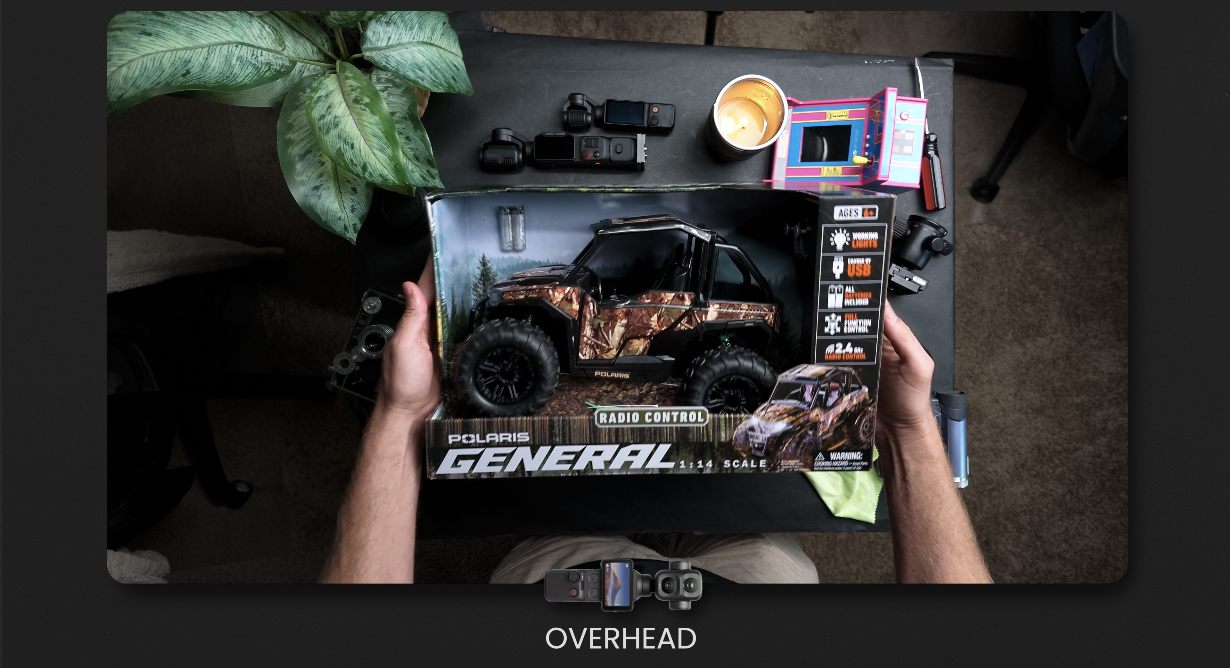
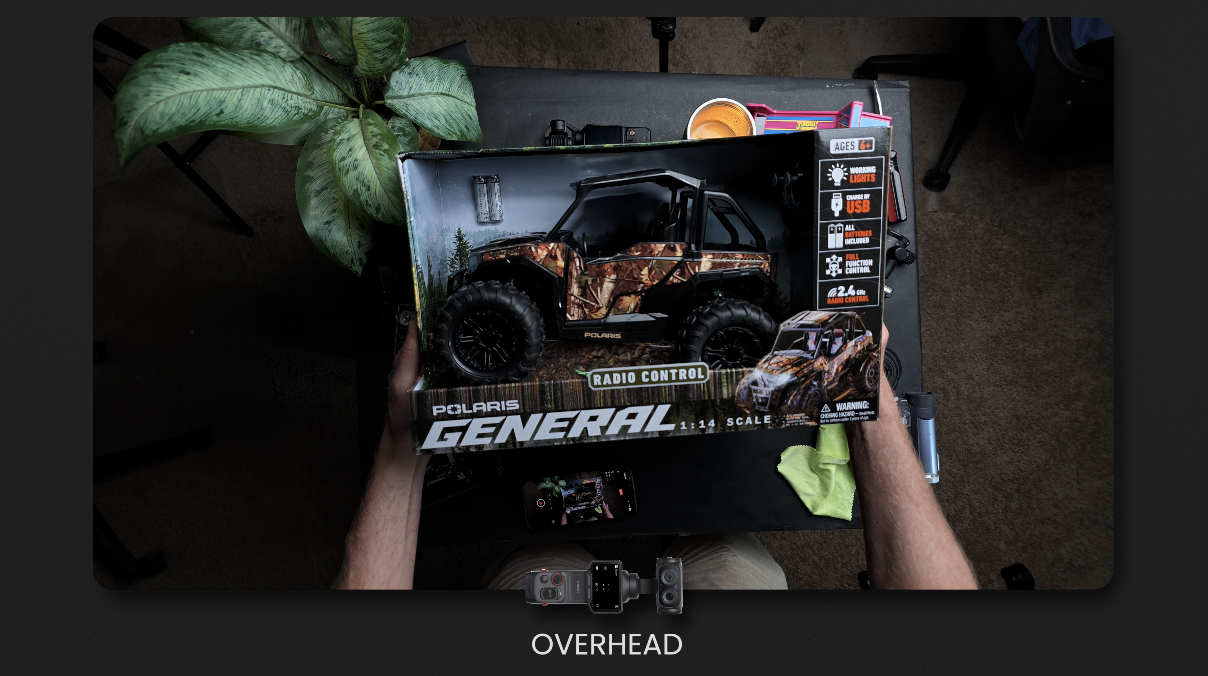
For RC car shots and low-to-the-ground tracking shots, both cameras performed well. The ground wasn’t bouncing all over the place, and both cameras gave me usable footage straight out of camera. If stabilization is your biggest concern, I think you’ll be happy with either one.
Active Tracking: Osmo Pocket 4P Did Better
Active tracking was another area where the Osmo Pocket 4P had the edge. Both cameras were able to lock onto subjects pretty well, even in tougher contrast situations, but the Pocket 4P felt more reliable.
In one test, I had a subject briefly pass behind something, and the Osmo Pocket 4P didn’t really miss a beat. It lost visual contact for a second but picked the subject right back up like nothing happened. The Luna Ultra did lose the subject for a moment, but it was still able to catch back on, which is definitely acceptable.
So the Luna Ultra isn’t bad at active tracking. It’s actually pretty good. But if you’re filming moving subjects, RC cars, action shots, or solo creator content where you really need the camera to stay locked on, the Osmo Pocket 4P seems a little more dependable.
4K 120 and Fast-Moving Subjects
When shooting in 4K 120, both cameras struggled a little with fast-moving subjects coming toward the camera. This is one of those situations where neither camera felt perfect.
With the Osmo Pocket 4P, I tried using continuous focus, but the focus window slipped past the subject as I moved the camera forward. The Luna Ultra had a similar issue. The focus also moved past the subject instead of locking exactly where I wanted it.
So if you’re filming fast-moving subjects, especially things moving directly toward the camera, don’t expect either of these cameras to read your mind. They’re impressive, but they’re not perfect. Hopefully, we get even better focus performance with the Osmo Pocket 5 or Luna Ultra 2.
Price and Availability
Price is another big part of the Osmo Pocket 4P vs Insta360 Luna Ultra debate. The Insta360 Luna Ultra starts at $769 in the U.S., while the Osmo Pocket 4P can be harder to find depending on where you live. In the United States, it can be difficult to find an Osmo Pocket 4P under $1,000, even though it sells for less in Mainland China.
That makes the Luna Ultra a really interesting option, especially for creators in the U.S. If you can buy the Luna Ultra more easily and for less money, it becomes a much more competitive camera.
The Osmo Pocket 4P may have better image quality overall, but if the price difference is big enough, the Luna Ultra starts to make a lot of sense. This is especially true if you mostly shoot in good lighting, use standard color profiles, and don’t need the extra flexibility of D-Log 2.
Who Should Buy the Osmo Pocket 4P?
The Osmo Pocket 4P is the better choice if image quality is your top priority. If you care about dynamic range, highlight recovery, D-Log 2, controlled skin tones, and getting the most cinematic image possible from a pocket camera, the Pocket 4P is the camera I would choose.
The Osmo Pocket 4P is best for creators who shoot YouTube videos, cinematic travel films, talking head videos, product shots, family videos, and content where image quality really matters. It gives you more room to color grade, better highlight control, and a more polished look overall.
If you are already comfortable editing and grading footage, the Osmo Pocket 4P gives you more to work with.
Who Should Buy the Insta360 Luna Ultra?
The Insta360 Luna Ultra is a great choice if you want a strong pocket camera that is fun to shoot with, has a dual-lens setup, solid stabilization, good image quality, and a lower starting price.
The Luna Ultra is especially impressive because this is Insta360’s first real swing at this type of pocket camera. For a first-generation product, it is way better than I expected. The image quality is close in a lot of situations, the stabilization is strong, the 20mm and 60mm lens setup is useful, and in some low-light situations I actually preferred the way it looked.
The Luna Ultra is a good pick for creators who want a compact camera for travel, vlogging, everyday content, behind-the-scenes videos, and quick cinematic shots without spending more than they need to.
Final Verdict: Osmo Pocket 4P vs Insta360 Luna Ultra
So which camera is better: the Osmo Pocket 4P or the Insta360 Luna Ultra?
In the end, I like the Osmo Pocket 4P better because ultimately I think it has better image quality. The dynamic range is stronger, D-Log 2 gives you more flexibility, the highlights are easier to control, and the overall image feels more cinematic. For me, that matters the most.
But I’m also a huge fan of the first-gen Insta360 Luna Ultra. The Luna Ultra is sharp, fun to use, surprisingly capable, and way closer to the Osmo Pocket 4P than I expected. In good lighting, the difference between these cameras can be pretty small, and in some low-light situations, I even liked the Luna Ultra better.
So if you want the best overall pocket camera image, I would choose the Osmo Pocket 4P. But if you want a more affordable and easier-to-find pocket camera that still produces great footage, the Insta360 Luna Ultra is absolutely worth looking at.
The Osmo Pocket 4P wins for image quality, but the Insta360 Luna Ultra proves that Insta360 is officially a real player in the pocket camera space. And if this is what they can do on the first version, dude, I’m really excited to see what they do next.
SEO Tags
Osmo Pocket 4P, Insta360 Luna Ultra, Osmo Pocket 4P vs Insta360 Luna Ultra, DJI Osmo Pocket 4P, Insta360 Luna Ultra review, best pocket camera, pocket camera comparison, DJI vs Insta360, vlogging camera, travel camera, cinematic pocket camera, 4K pocket camera, 8K pocket camera, Osmo Pocket 4P review, Luna Ultra review, Osmo Pocket 4P image quality, Insta360 Luna Ultra image quality, D-Log 2, i-Log, camera comparison, pocket gimbal camera
Author