Don’t Buy a Full Frame Camera Until You Watch This! 2026
Apr 30, 2026
Get the full story watching the video above ⬆️
Purchase:
Sony a6700 - https://geni.us/E1dWZc or https://geni.us/kaNHAmf
Sony ZV-E10 ll - https://geni.us/WbD54H8 or https://geni.us/qzFy
Fuji X-M5 - https://geni.us/gu48Ba or https://geni.us/c0yBU
Canon R50 V - https://geni.us/SPm2z
Sony ZV-E10 - https://geni.us/BwqkkZL or https://geni.us/W3JX7yq
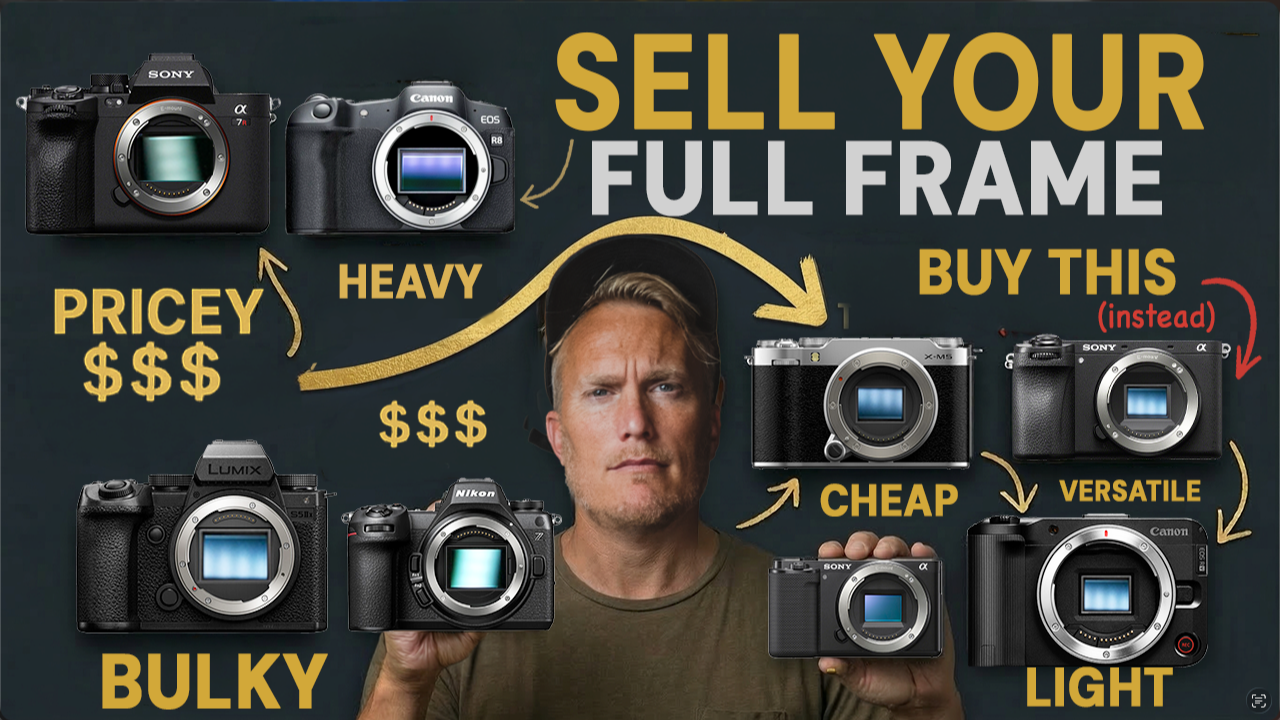
For years, I kept hearing the same thing over and over again - if you want to be taken seriously as a creator, you have to shoot full frame. Bigger sensor, better image quality, more “professional.” That’s what everyone says. But after actually using these cameras in real-world situations, I started noticing something that people don’t really talk about. A lot of creators who switch from full frame to APS-C don’t go back. Not because they can’t afford full frame, but because they realize they don’t actually need it.
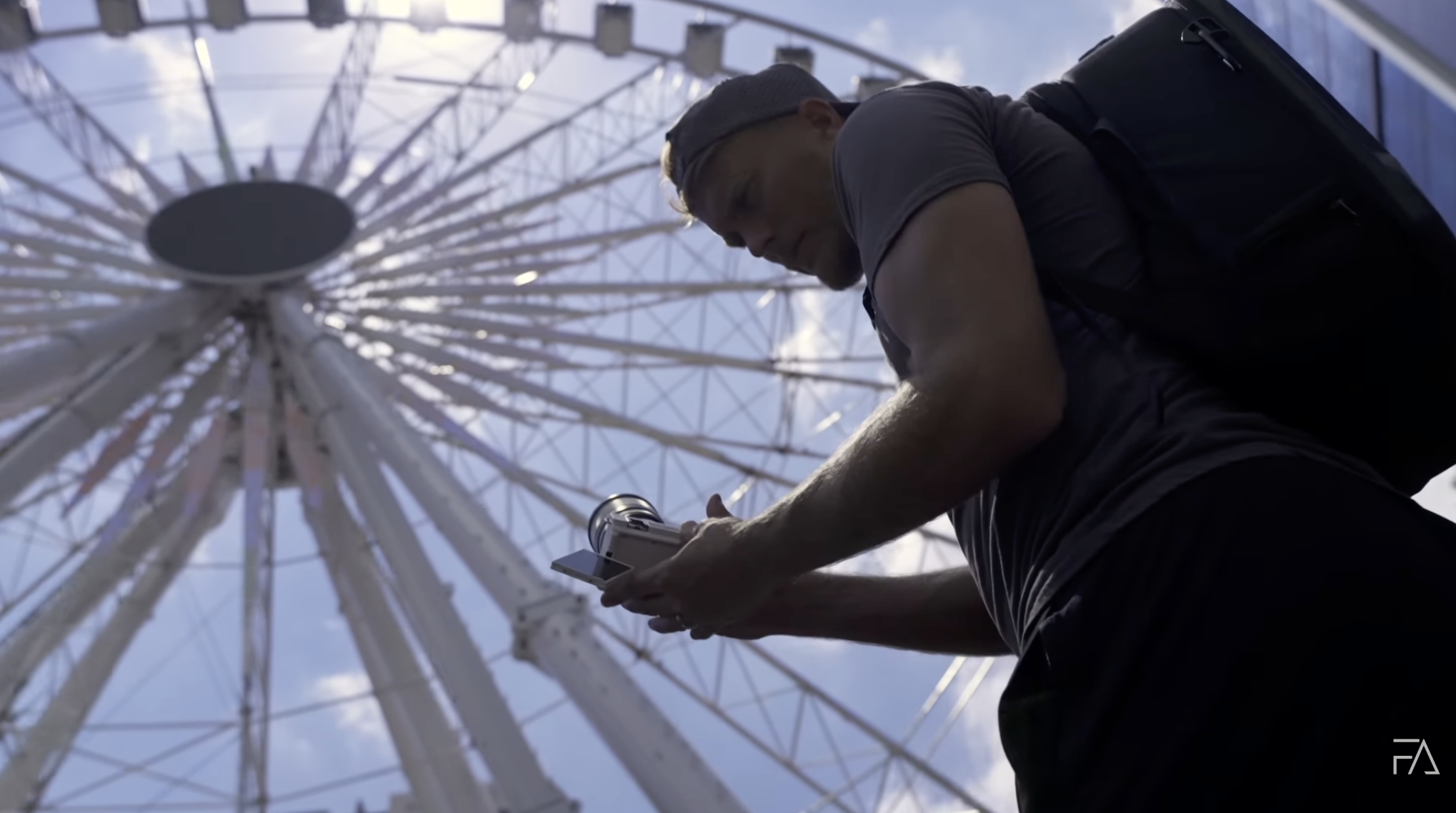
When you start using full frame setups consistently, you begin to feel the downsides pretty quickly. The cameras are bigger, the lenses are heavier, and the cost adds up fast. You don’t really notice it at first, but once you’re out shooting all day, especially on a gimbal or traveling, it hits you. Then you pick up a smaller APS-C setup and it just feels right. It’s lighter, easier to manage, and way less of a hassle to carry around.
The other thing that surprised me is how close the image quality actually is in most situations. In good lighting, which is where most people are shooting, the difference between APS-C and full frame is not nearly as big as people make it out to be. Yes, full frame can have an advantage in extreme low light, but even then, it comes down more to technique than the camera itself. Knowing how to expose properly and understanding your camera’s limits matters way more than just having a bigger sensor.
That’s really what shifted things for me. APS-C cameras are smaller, lighter, more affordable, and still produce incredible results. And at the end of the day, the best camera is the one you actually bring with you. Not the one sitting on your shelf because it’s too heavy or inconvenient to carry.
To keep things consistent, I paired all of these cameras with the Sigma 18-50mm f2.8. It’s one of the best all-around lenses you can get for APS-C. It’s sharp, lightweight, and gives you a ton of flexibility whether you’re shooting video or photos. With that setup in mind, these are the cameras I keep coming back to.
Sony a6700
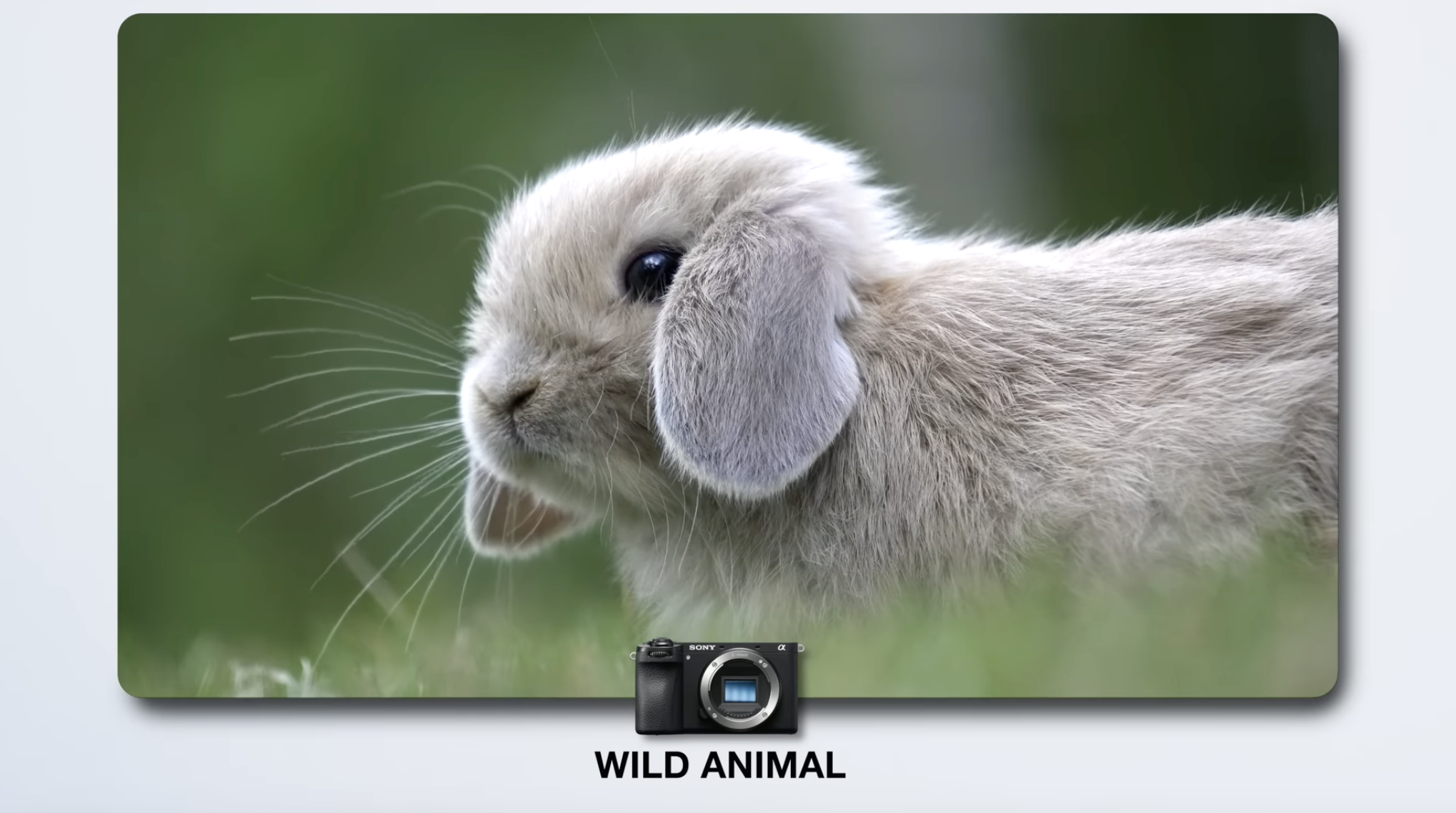
The first one is the Sony a6700, and this is the one that really proves APS-C is not just for beginners anymore. This camera has a 26 megapixel sensor, shoots 4K up to 120 frames per second, and gives you 10-bit video with Sony’s AI autofocus system. I own the Sony a7S III, which is a full frame camera, and even with that sitting right there, I still reach for the a6700 more often. It’s smaller, lighter, easier to carry, and the difference in image quality in most real-world situations just isn’t big enough to justify the extra cost and weight. If you want to check it out, you can find it here: https://geni.us/E1dWZc or https://geni.us/kaNHAmf
Sony ZV-E10 II
Next up is the Sony ZV-E10 II, which is one of my favorite cameras for content creators. I’ve used this for talking head videos, product shots, travel, and studio work, and it’s just a solid all-around tool. It has the same 26 megapixel sensor as the a6700, shoots 4K up to 120 frames per second with the latest update, and has excellent autofocus. The fully articulating screen makes it super easy to film yourself, which is huge if you’re doing YouTube or social content. It doesn’t have a viewfinder, but for video-first creators, that’s not really a deal breaker. If you want to take a look at it, here are the links: https://geni.us/WbD54H8 or https://geni.us/qzFy.
Fuji X-M5
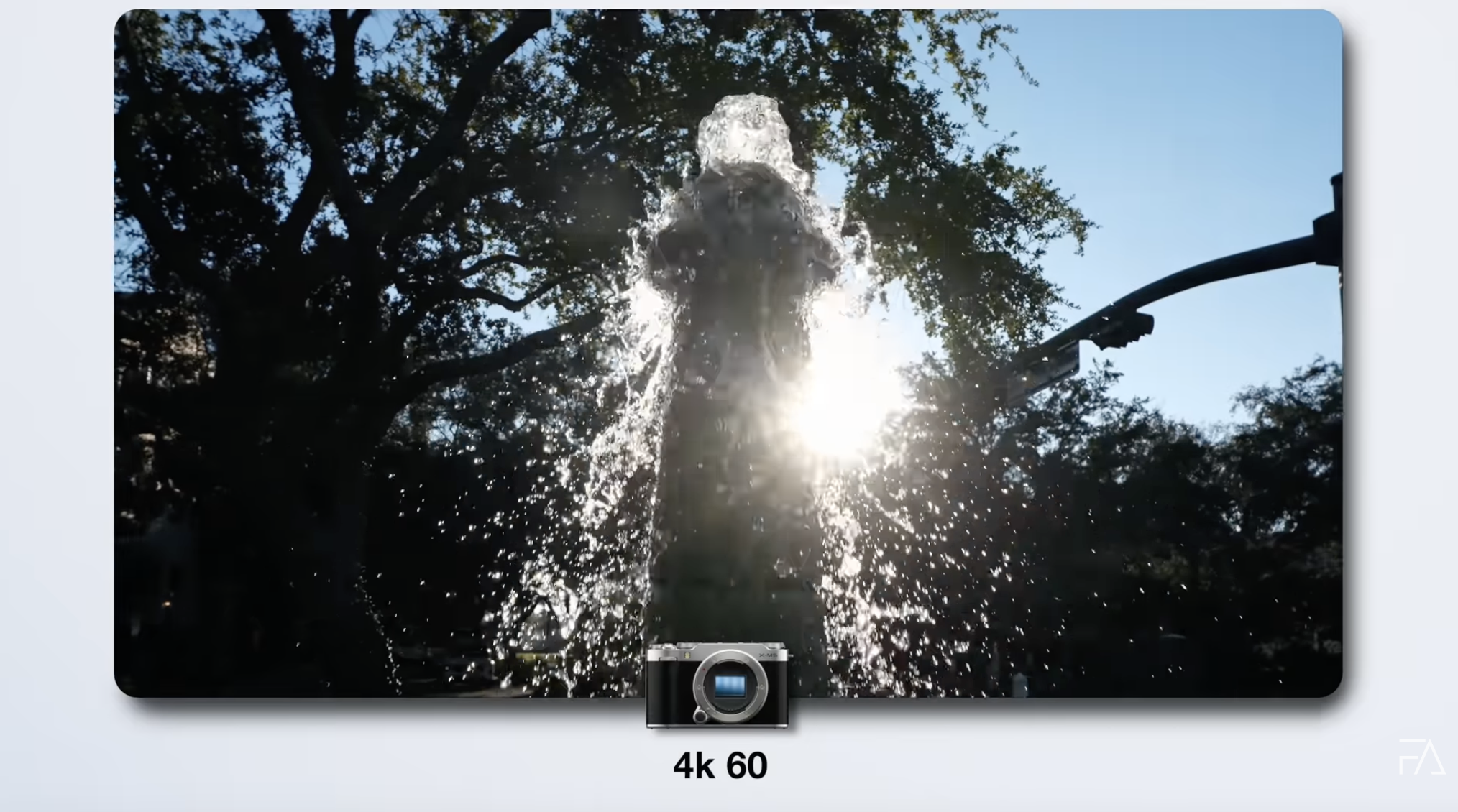
Then there’s the Fujifilm X-M5, which is honestly just a fun camera to use. This is the one I grab when I actually feel like going out and shooting for the sake of it. It’s super compact, has a 26 megapixel sensor, and can shoot 6K open gate video. But the real standout is the film simulations. Fujifilm has built-in color profiles that give you that film look straight out of camera, and it just looks different in a good way. It’s not perfect since there’s no IBIS or viewfinder, but for the price, it’s hard to beat. You can check it out here: https://geni.us/gu48Ba or https://geni.us/c0yBU
Canon R50 V
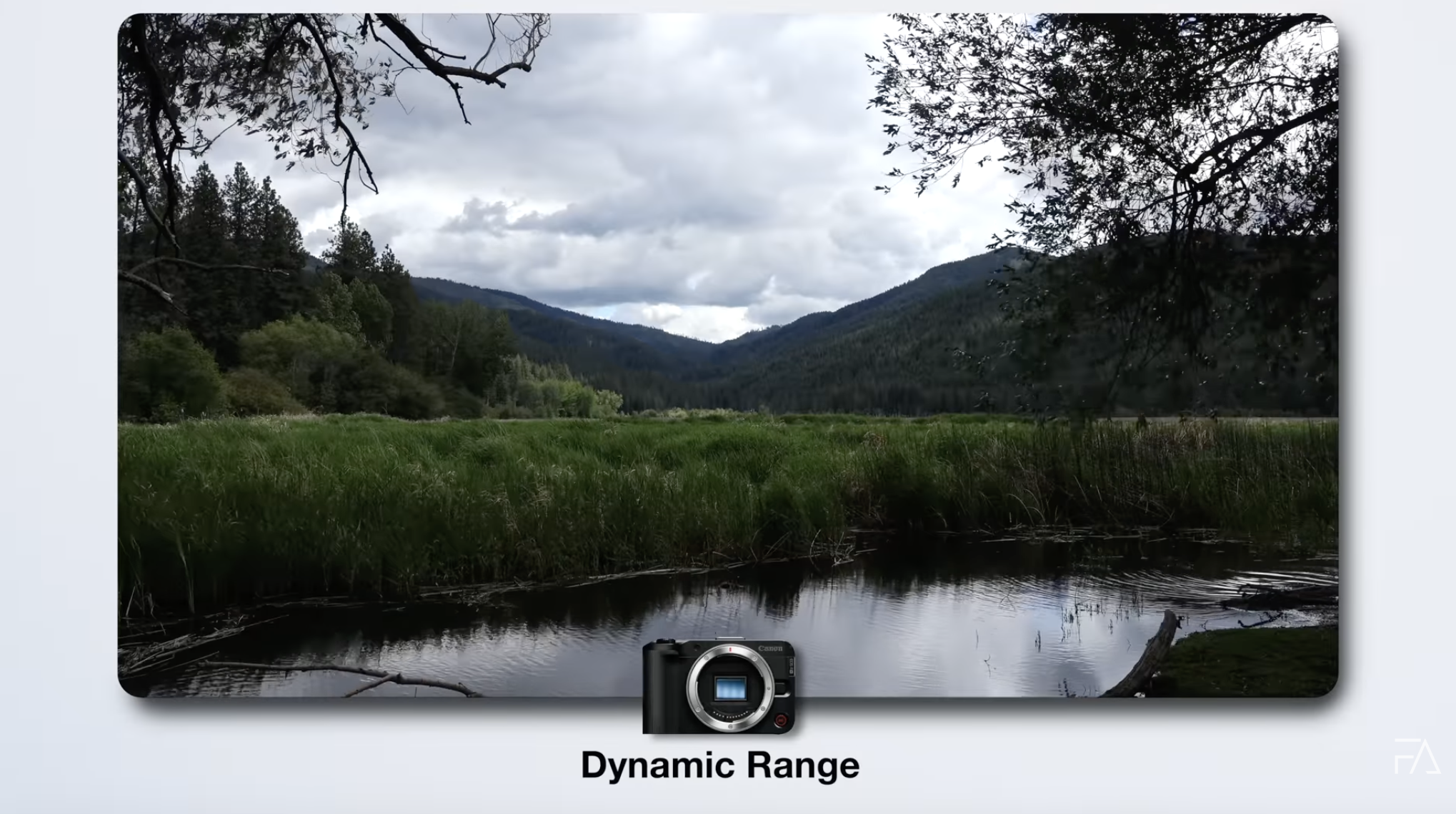
If you’re more into strong colors straight out of camera, the Canon R50V is a great option. Canon has always been known for its color science, and this camera really shows it. The colors are rich, the shadows are deeper, and the overall image has a nice contrast without needing much grading. It has a 24 megapixel sensor, shoots 4K up to 60 frames per second, and supports 10-bit recording with C-Log3. Compared to something like the Canon R8, which is full frame, you’re getting a much smaller and more affordable setup. If you want to check pricing, here’s the link: https://geni.us/SPm2z
Sony ZV-E10
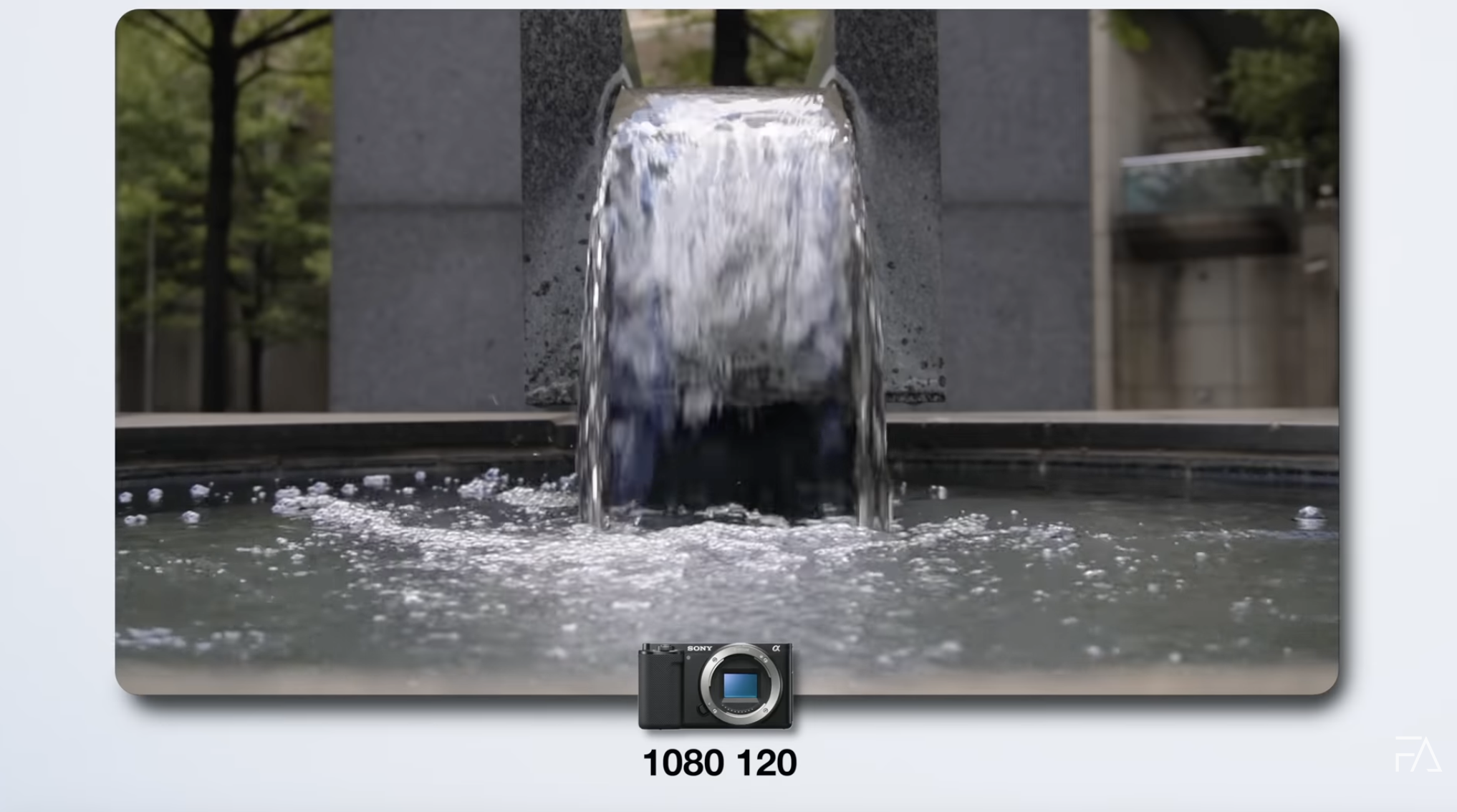
And finally, for anyone on a budget, the Sony ZV-E10 is still one of the best entry-level cameras you can buy. This camera came out a few years ago, but because so many people bought it, the used market is full of them. You can usually find one for around $500 to $550, which is kind of crazy for what you get. It shoots 4K, has a 24 megapixel sensor, and gives you access to Sony’s massive lens ecosystem. If you’re just getting started or working with a tighter budget, this is a solid move. You can find it here: https://geni.us/BwqkkZL or https://geni.us/W3JX7yq
At the end of the day, this is why I say you can ditch full frame and move to APS-C without overthinking it. The image quality is there, the cameras are easier to use, and the overall setup is usually about half the cost. For most people shooting YouTube videos, travel content, or even client work, APS-C cameras are more than capable.
And honestly, they make you want to shoot more. That’s probably the biggest thing for me. When a camera is easy to carry and simple to use, you actually bring it with you, and that’s what leads to better content over time.
If I had to choose just one camera from this list, I’m still going with the Sony a6700. It hits that balance of power, size, and versatility better than anything else I’ve used, and it’s the one I reach for the most when I’m actually out shooting.
Author