
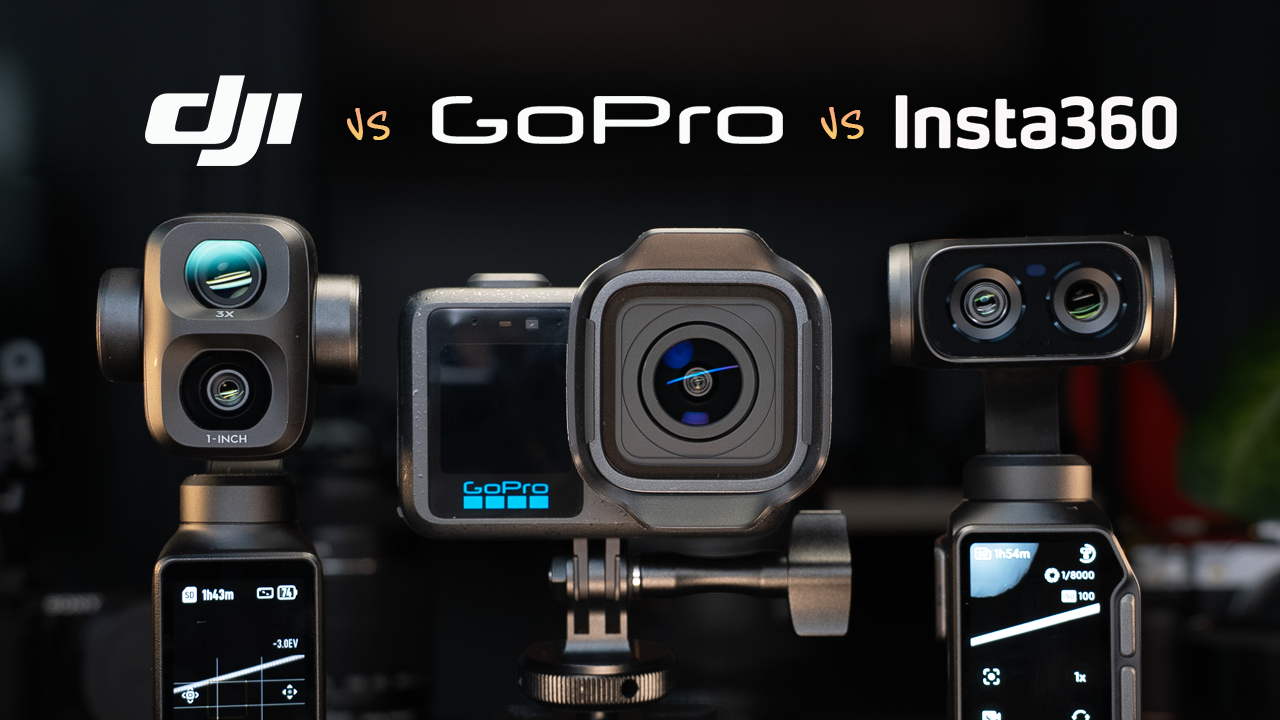
Osmo Pocket 4P vs Insta360 Luna Ultra vs GoPro Mission 1 Pro
Jul 25, 2026Get the full story watching the video above ⬆️
Purchase:
Insta360 Luna Ultra - https://geni.us/EZbO1Y
GoPro Mission 1 Pro - https://geni.us/DaOlA7
The Osmo Pocket 4P, Insta360 Luna Ultra, and GoPro Mission 1 Pro all use one-inch main sensors, but they are built for very different types of creators.
After using all three in action shots, low light, backlit scenes, Log profiles, skin-tone tests, vlogging, and handheld movement, I found that the Osmo Pocket 4P delivered my favorite overall image quality.
The Insta360 Luna Ultra came surprisingly close and may be the easiest camera to recommend for most people in the United States. The GoPro Mission 1 Pro had the biggest advantage for rugged action, but its long minimum focusing distance made it much less useful for the kind of handheld vlogging I normally do.
In this comparison, I will explain where each camera performed best and who I think should buy it.
Camera Overview
The Osmo Pocket 4P costs around $575 in some overseas markets, but US buyers may have to import one and pay a significant premium.
It includes a dual-lens setup with a 20mm-equivalent 1x camera and a 60mm-equivalent 3x camera. It can shoot up to 4K240, supports D-Log 2 on the main camera, and is advertised to capture up to 17 stops of dynamic range.
The Insta360 Luna Ultra starts at approximately $769 in the United States. It also has wide and 3x telephoto cameras, records up to 8K30, includes I-Log, and has a detachable touchscreen that can work as a wireless remote.
The GoPro Mission 1 Pro starts at approximately $699.99. It can record up to 8K60 and 4K240, includes built-in GPS, is waterproof, and is designed more directly for action sports and rugged use.
Which Camera Is Best for Action?
The GoPro Mission 1 Pro is easily the most natural choice for fast and rugged action.
When I mounted the cameras near the wheel of a four-wheeler, the GoPro’s ultra-wide field of view created the most exciting shot. The tire looked larger, more of the surrounding environment was visible, and the footage pulled me deeper into the action.
The Pocket 4P and Luna Ultra still produced clean, sharp images, but their tighter fields of view made the framing feel more controlled and less intense.
I was also much more comfortable putting the GoPro close to dirt, water, wheels, and other hazards. That is exactly what an action camera is supposed to be good at.
For scuba diving, snowboarding, mountain biking, off-roading, and similar sports, the GoPro has a clear purpose.
Image Detail and Foliage
Fine detail in trees, grass, and foliage is where I noticed some surprising differences.
In a 4K120 action shot, the Pocket 4P pushed the background leaves toward an unnatural lime-green color.
The Luna Ultra gave me the most natural-looking foliage. The trees and leaves had better separation, and the greens looked more realistic.
The GoPro kept the main action looking good, but some of the background trees appeared mushed together.
This type of processing may not bother someone focused entirely on the action. However, for landscapes, nature shots, or cinematic outdoor footage, the way a camera renders fine foliage can make a major difference.
Dynamic Range
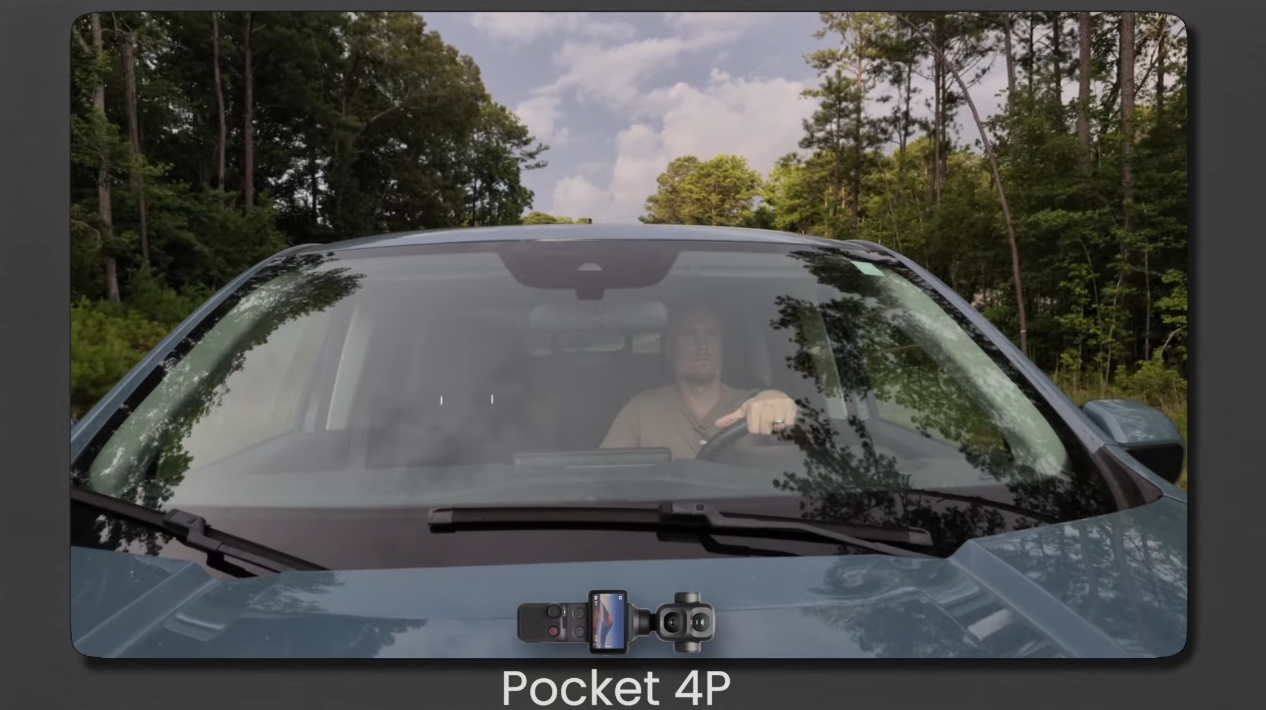
The Pocket 4P had the strongest overall dynamic-range performance in my testing.
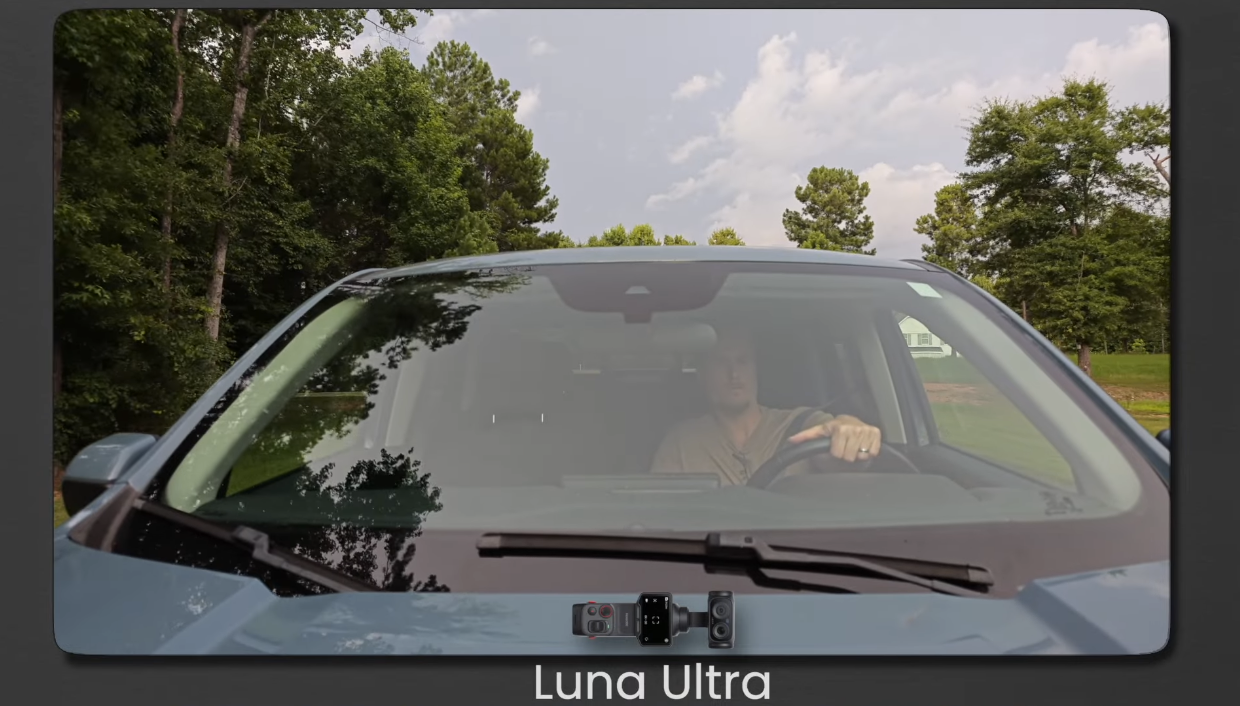
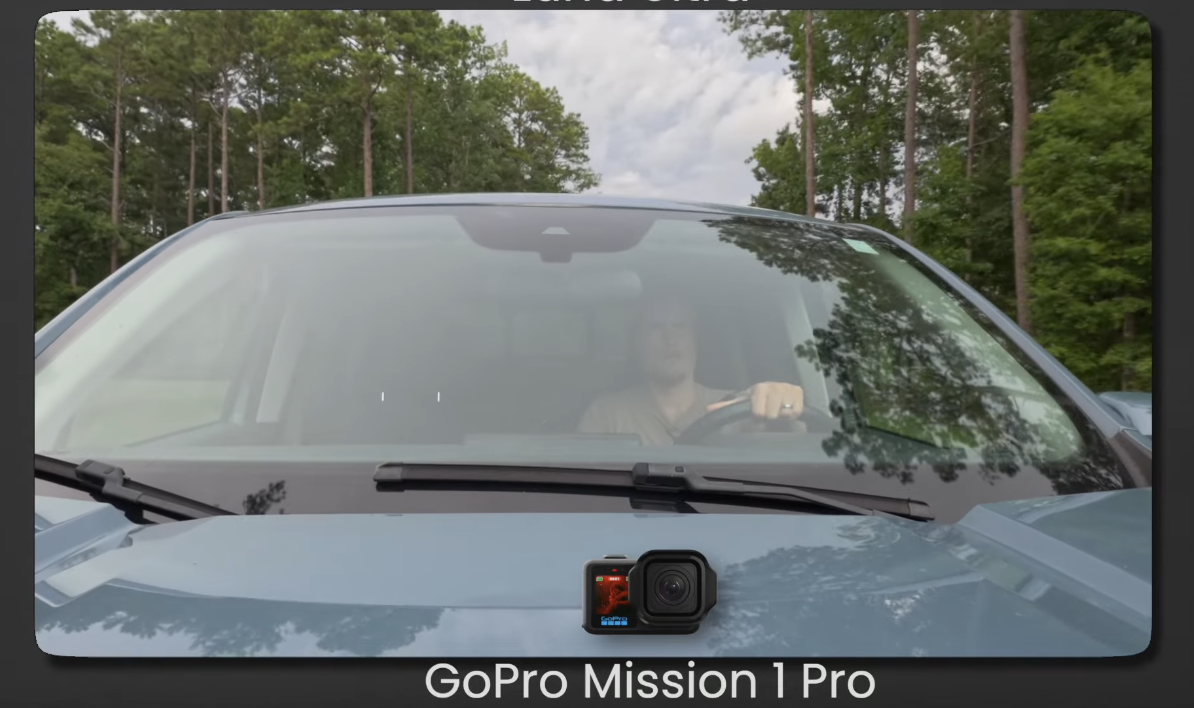
In an evenly lit driving shot, it controlled windshield reflections well and gave me the clearest view inside the vehicle. It also held detail in the driver and bright exterior areas at the same time.
The Luna Ultra also performed well and gave me a clean image. Its 8K resolution could be useful if I wanted to crop or reframe the shot later.
The GoPro produced the widest and most dramatic perspective, but its windshield reflections were much stronger, making the driver harder to see.
In backlit scenes, the cameras became much closer.
The Pocket 4P retained highlights well, although its color occasionally looked more muted when shooting directly toward the light.
The Luna Ultra gave me the most balanced combination of color and contrast in one backlit vehicle test.
The GoPro still looked good, but its wider perspective made the vehicle appear smaller and placed more emphasis on the environment.
Standard Color Profiles
Each camera has a noticeably different standard color profile.
The Pocket 4P generally gave me a more restrained and cinematic image. Its colors were not always the most vibrant, but the footage often felt controlled.
The Luna Ultra usually had the most pop, contrast, and separation in the foliage. In several standard-profile shots, it was the look I preferred.
The GoPro sometimes pushed the color harder, especially in warm scenes, but its processing of trees and leaves was less consistent.
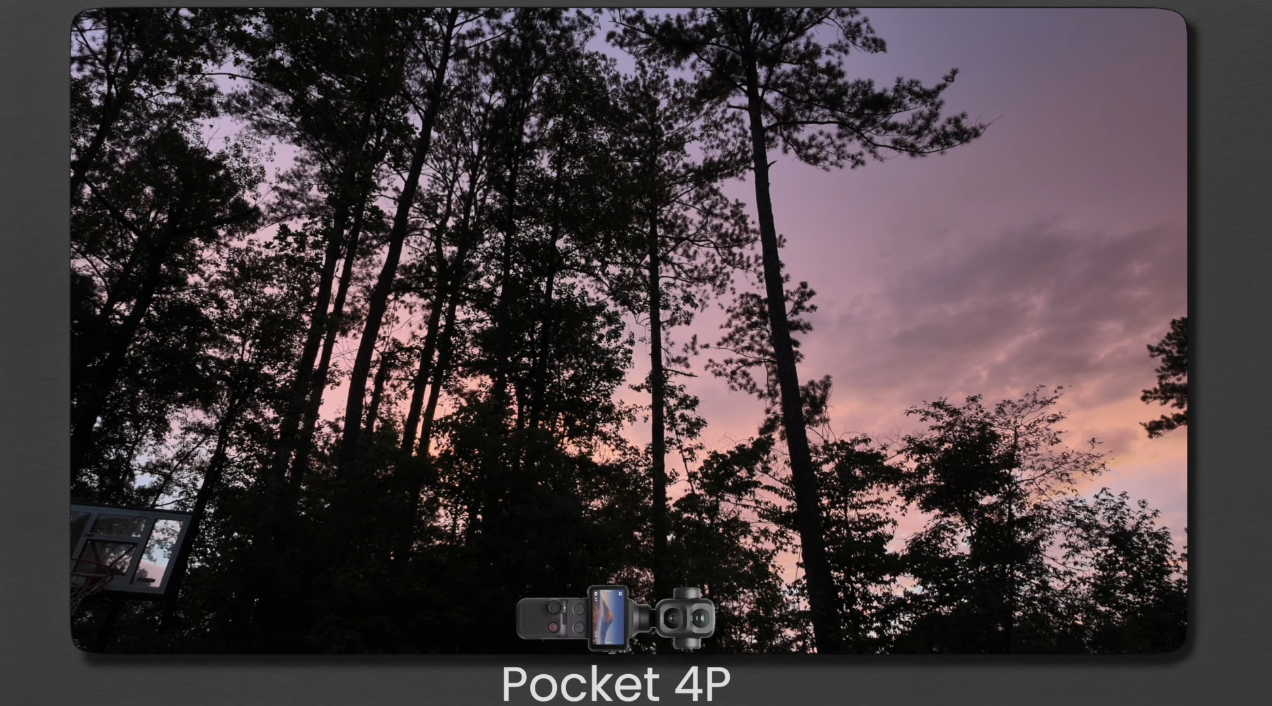
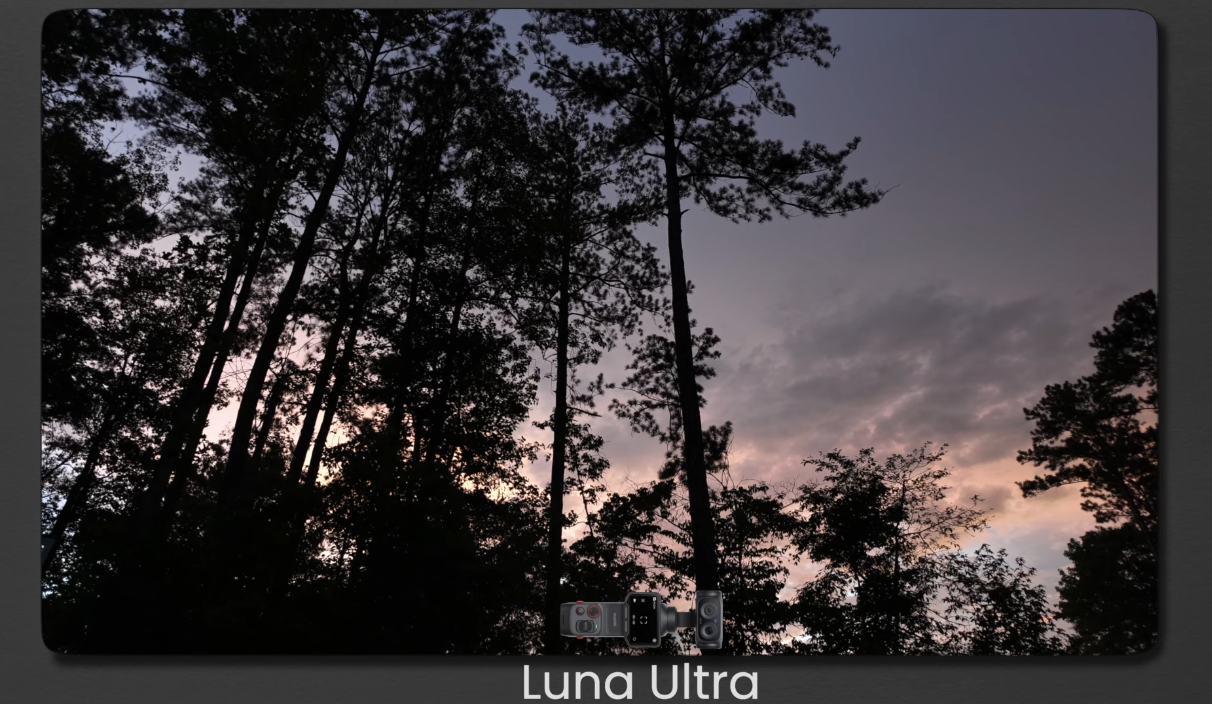
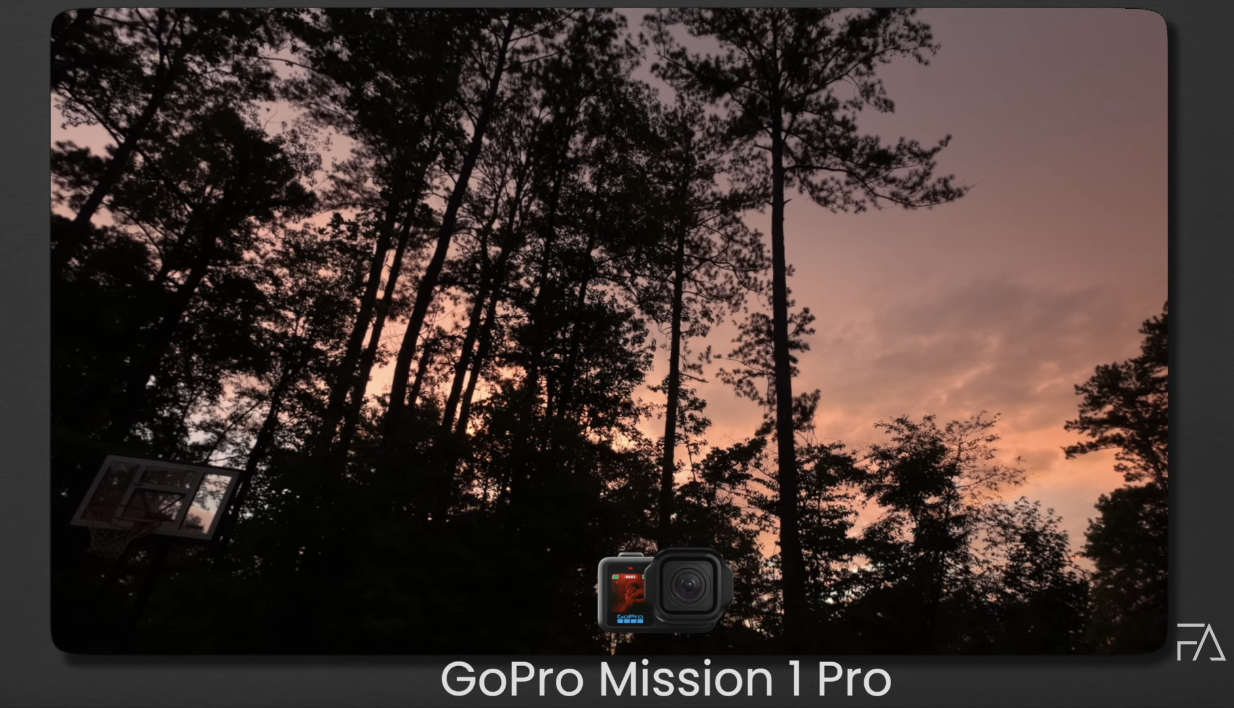
At sunset, the results changed again.
The GoPro produced the boldest and most vibrant sky. It pushed the warm colors and saturation more aggressively than the other cameras.
The Pocket 4P had more pop than the Luna Ultra while still keeping the pink sky from looking too extreme.
The Luna Ultra produced the coolest and most subdued sunset image.
This is a good example of why there is no single color-science winner. The camera I preferred changed depending on the lighting.
D-Log 2 vs I-Log vs GP-Log 2
All three cameras include flat color profiles designed for grading.
However, the Pocket 4P gave me the most flexibility.
Osmo Pocket 4P D-Log 2
The Pocket 4P uses D-Log 2 on its main 1x camera and regular D-Log on the 3x camera.
Its Log footage felt the richest and held up best when I made heavier changes to color, contrast, shadows, and highlights.
D-Log 2 gave me the most room to shape the final image without the footage falling apart.
The limitation is that D-Log 2 is not available on the 3x camera.
Insta360 Luna Ultra I-Log
The Luna Ultra’s I-Log profile still provides much more control than its standard profile.
I could grade it successfully, but it did not feel as robust or forgiving as D-Log 2.
In good lighting, I-Log can produce an excellent image. It simply gives me less room when I need to make aggressive corrections.
GoPro GP-Log 2
GP-Log 2 improved the final GoPro image and gave me more control than shooting standard color.
However, it had the least grading flexibility of the three in my tests.
When I pushed the exposure or colors too far, the footage began to break down sooner.
Low-Light Performance
Low light created one of the most interesting results in the comparison.
I manually exposed all three cameras using the same ISO 400 setting.
The Pocket 4P exposed the interior of the car well, but a bright sign outside became more overexposed than I wanted.
The Luna Ultra created the best balance between the dark interior and bright exterior lights. It was my favorite of the three in this particular low-light test.
The GoPro still held the scene together, but I personally liked its night color rendering the least.
I saw the same pattern in another nighttime driving scene. The Pocket 4P brightened the interior more, while the Luna Ultra better balanced the cabin with the bright gas-station lighting outside.
For dedicated low-light shooting, the Luna Ultra performed better than I expected.
Stabilization
The Pocket 4P and Luna Ultra use mechanical gimbals, while the GoPro relies more heavily on digital stabilization.
In daylight, all three can produce smooth footage.
In low light, the mechanical gimbals have an important advantage because they physically stabilize the camera without depending as heavily on electronic correction.
The Pocket 4P and Luna Ultra kept movement smooth and clean as the lighting dropped.
The GoPro still performed reasonably well, but digital stabilization can become less reliable in darker environments. It may introduce softness or unnatural movement when the shutter speed slows or the camera raises the ISO.
For walking footage and cinematic movement, I prefer the mechanical gimbal cameras.
For rough action where durability is more important, I would choose the GoPro.
Skin Tones
Skin tones were another category where the cameras separated themselves.
In an overhead setup, the Pocket 4P and Luna Ultra both added some saturation to my skin.
The GoPro pushed my skin toward a more orange tone.
The Pocket 4P was my favorite because my hands looked the most natural and realistic.
The Luna Ultra came in a close second, although I could still see slightly more saturation.
I would not choose the GoPro for this kind of studio or overhead setup. Its ultra-wide field of view showed too much of the room, and the skin tone looked too orange for my preference.
For talking-head videos, overhead filming, or product demonstrations featuring skin, the Pocket 4P is the strongest option of the three.
The GoPro’s Major Focusing Problem
The biggest problem I found with the GoPro Mission 1 Pro was its minimum focusing distance.
In my testing, the camera appeared to need approximately 24 inches between the lens and subject before it could focus properly.
That is roughly the full length of an extended arm.
This makes normal handheld vlogging difficult.
At a comfortable arm’s-length distance, my face could appear soft or out of focus. Extending the camera farther away became uncomfortable and made framing and stabilization more difficult.
The Pocket 4P was the strongest vlogging camera because it could focus comfortably at arm’s length and keep my face sharp. Its dynamic range also helped balance my skin against brighter backgrounds.
The Luna Ultra came in a close second and sometimes produced the better-looking image depending on the lighting.
I would not recommend the Mission 1 Pro primarily for vlogging unless that focusing limitation is addressed.
Lens Flare
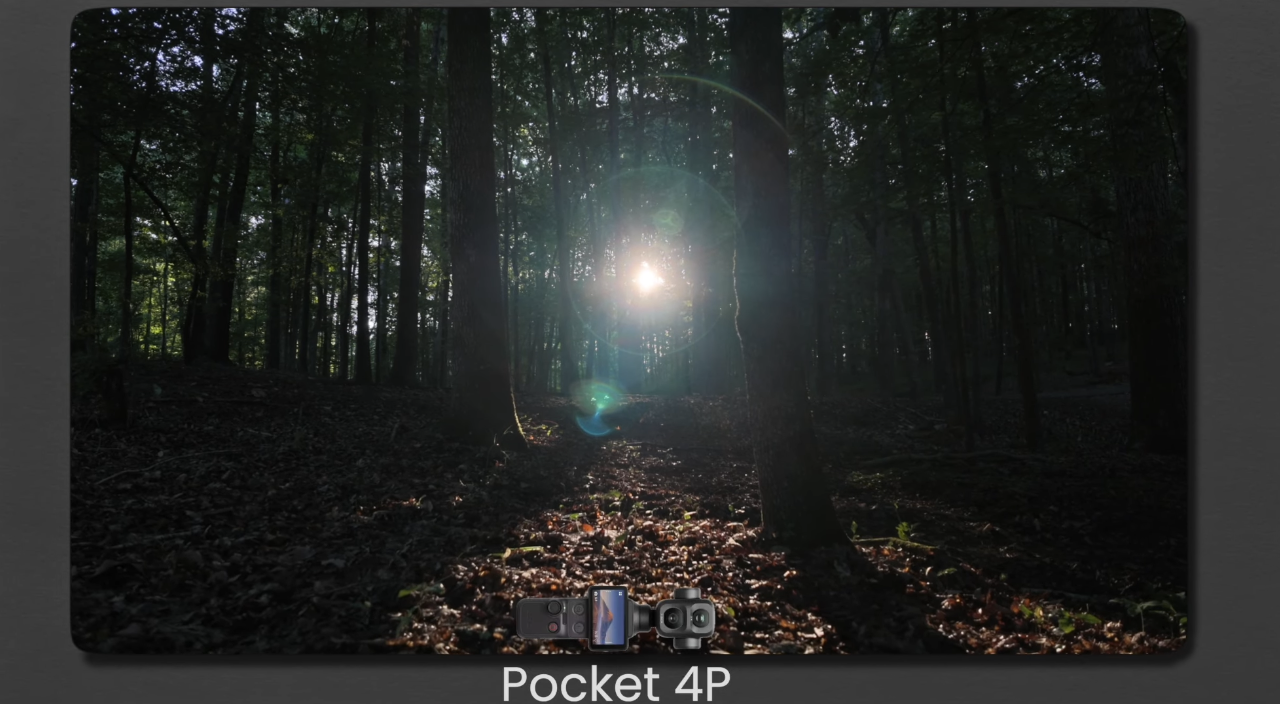
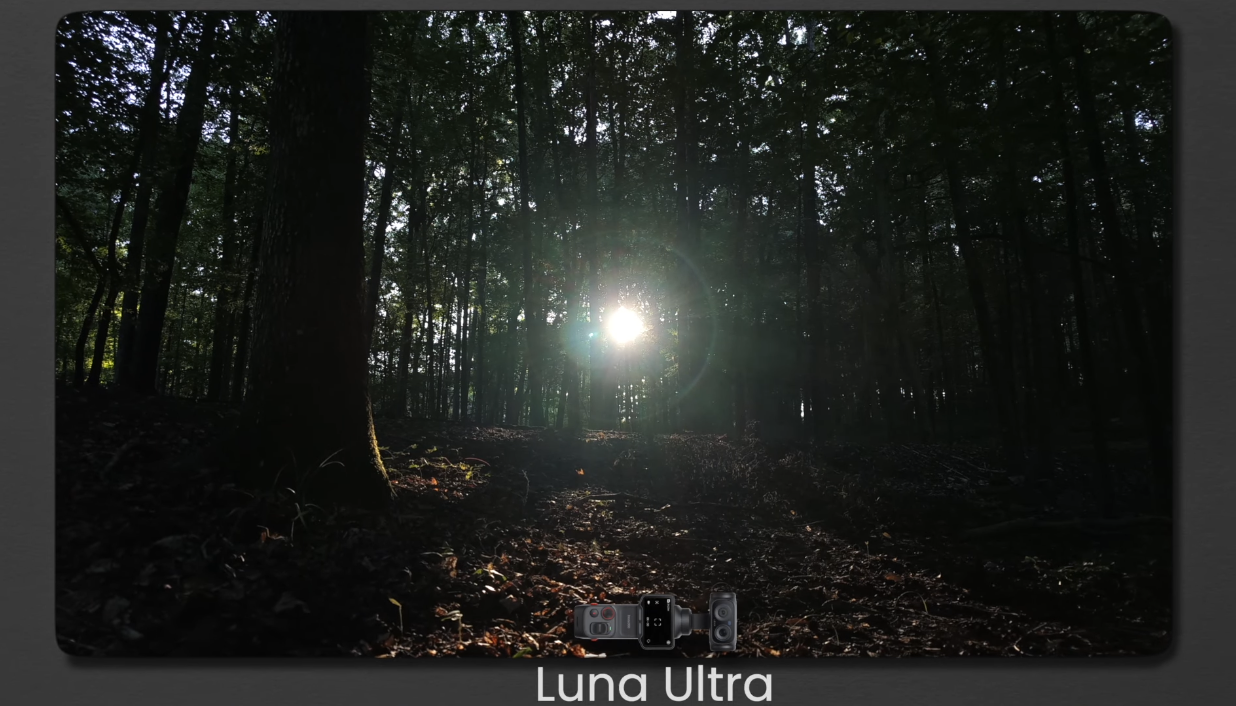
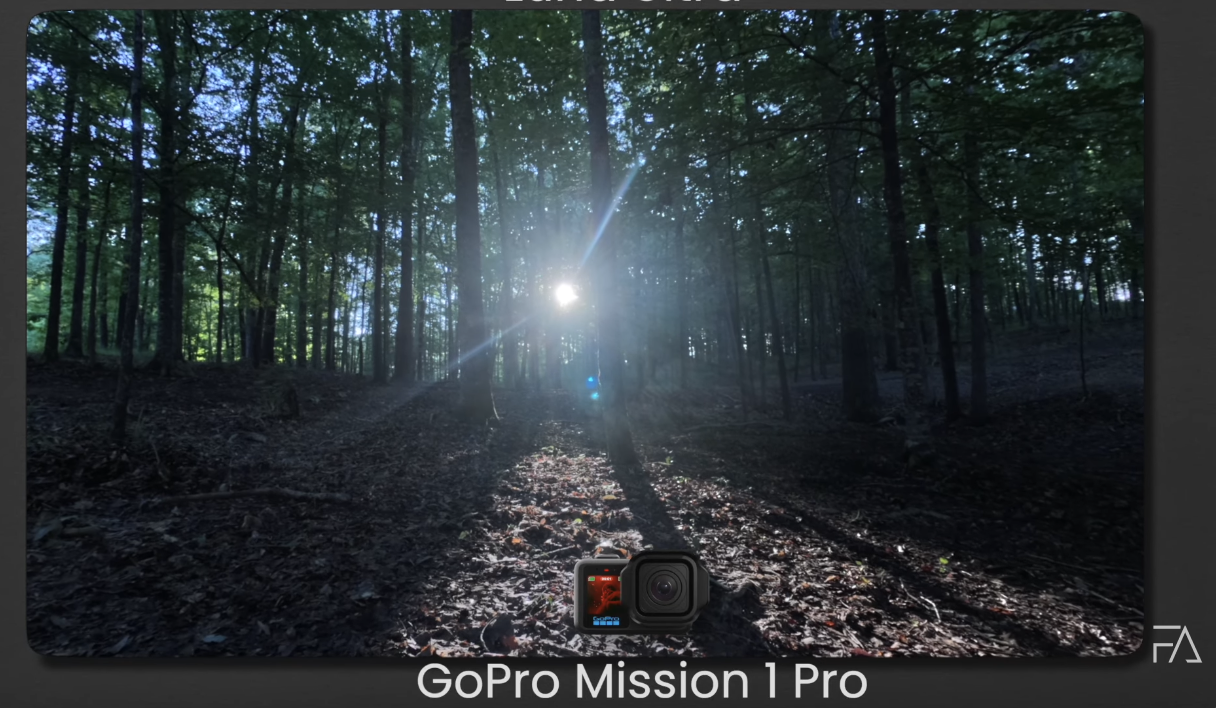
The different focal lengths also changed the appearance of the sun and lens flare.
The tighter Pocket 4P and Luna Ultra cameras made the sun appear larger.
The GoPro’s ultra-wide lens made the sun look much smaller while showing more of the surrounding environment.
The Pocket 4P produced a small green flare ghost along with several circular artifacts. I personally liked its flare the most.
The Luna Ultra created a cinematic flare with visible ghosting and circular rings around the sun.
The GoPro produced more obvious streaks that looked somewhat like a subtle sunstar.
Lens flare is subjective, but it can influence the overall cinematic character of a shot.
Who Should Buy the Osmo Pocket 4P?
The Pocket 4P is best for:
-
Vlogging
-
Talking-head videos
-
Cinematic B-roll
-
Travel filmmaking
-
Color grading
-
Slow motion
-
Creators who want strong dynamic range
-
People who want both wide and 3x lenses
It gave me the best overall combination of image quality, skin tones, Log flexibility, and cinematic character.
The main drawback is US pricing and availability.
Who Should Buy the Insta360 Luna Ultra?
The Luna Ultra is best for:
-
US buyers who want easier availability
-
Travel creators
-
Vloggers
-
Low-light shooters
-
People who want a detachable screen
-
Creators who like punchier standard color
-
Users who want 8K recording
It came surprisingly close to the Pocket 4P and occasionally produced the image I preferred.
For most buyers in the United States, it may be the most practical recommendation.
Who Should Buy the GoPro Mission 1 Pro?
The Mission 1 Pro is best for:
-
Scuba diving
-
Snowboarding
-
Mountain biking
-
Off-roading
-
Water sports
-
Rugged action
-
Ultra-wide perspectives
-
Situations where durability matters most
It is the specialized action camera of the group.
I would skip it for normal handheld vlogging, close product shots, or talking-head work because of its long minimum focusing distance.
Final Verdict
After using all three cameras, I still prefer the overall image quality of the Osmo Pocket 4P.
Its dynamic range, D-Log 2 profile, skin tones, stabilization, and cinematic-looking footage gave it the strongest overall performance for the kind of work I do.
The Insta360 Luna Ultra came very close and is probably the easiest camera to recommend for most US buyers. It is easier to purchase, performed especially well in low light, and often produced attractive color straight out of the camera.
The GoPro Mission 1 Pro clearly has a place for rugged action sports. Its ultra-wide perspective, waterproof construction, and durability make it the right tool for situations where I would not feel comfortable using the other two cameras.
However, the approximately 24-inch minimum focusing distance is a major limitation for handheld vlogging.
For me, the Pocket 4P wins, the Luna Ultra is a very close second, and the Mission 1 Pro is the specialized action camera of the group.
Author

