Osmo Pocket 4P vs iPhone 17 Pro: Why I Prefer the Pocket 4P for Video
Jul 06, 2026Get the full story watching the video above ⬆️
Purchase:
iPhone 17 Pro - https://geni.us/0xzQAGv
My favorite part about camera comparisons is coming up with a shot idea and then bringing that idea to life. It could be the most simple shot in the world, but I still learn so much about a camera just by seeing how it performs side by side with another one. And honestly, I think when I’m an old man, I’ll probably still be doing these camera tests.
So in this comparison, I wanted to put the Osmo Pocket 4P up against the iPhone 17 Pro and answer a question a lot of creators are probably asking:
Is the Osmo Pocket 4P actually worth buying if you already have an iPhone 17 Pro?
After testing both cameras in different lighting setups, slow motion, product shots, low light, stabilization, skin tones, zoom ranges, and more, I came away liking the Osmo Pocket 4P better for video.
The iPhone 17 Pro is incredibly impressive. It is a phone, a camera, a computer, a messaging device, and basically a full creative tool in your pocket. But when I’m going out specifically to film something, the Osmo Pocket 4P feels more intentional, more fun, and more like a real dedicated video camera.
Osmo Pocket 4P vs iPhone 17 Pro: Camera Specs
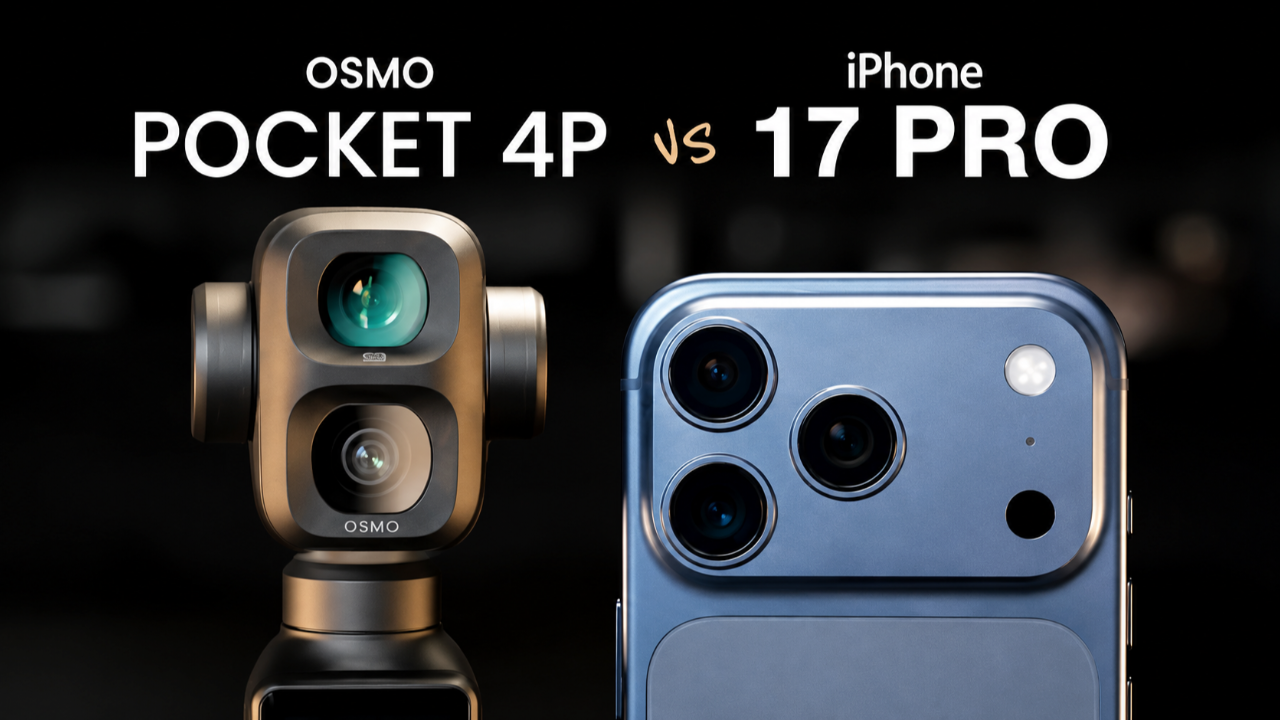
The Osmo Pocket 4P is the more video-focused camera. It uses a 1-inch main sensor with a 20mm equivalent lens, plus a 60mm telephoto camera with 3x optical zoom.
The iPhone 17 Pro, on the other hand, has the more flexible overall camera system. It has three rear cameras: a 13mm ultra-wide, a 24mm main camera, and a 100mm 4x telephoto camera.
For photos, the Pocket 4P can shoot stills up to around 37MP, while the iPhone 17 Pro can shoot up to 48MP. For log profiles, the Pocket 4P can shoot in D-Log2, while the iPhone 17 Pro can shoot in Apple Log2 and Apple ProRes RAW.
So on paper, the iPhone 17 Pro is extremely flexible. But specs are only part of the story. What matters more to me is how the image actually looks when you start filming real shots.
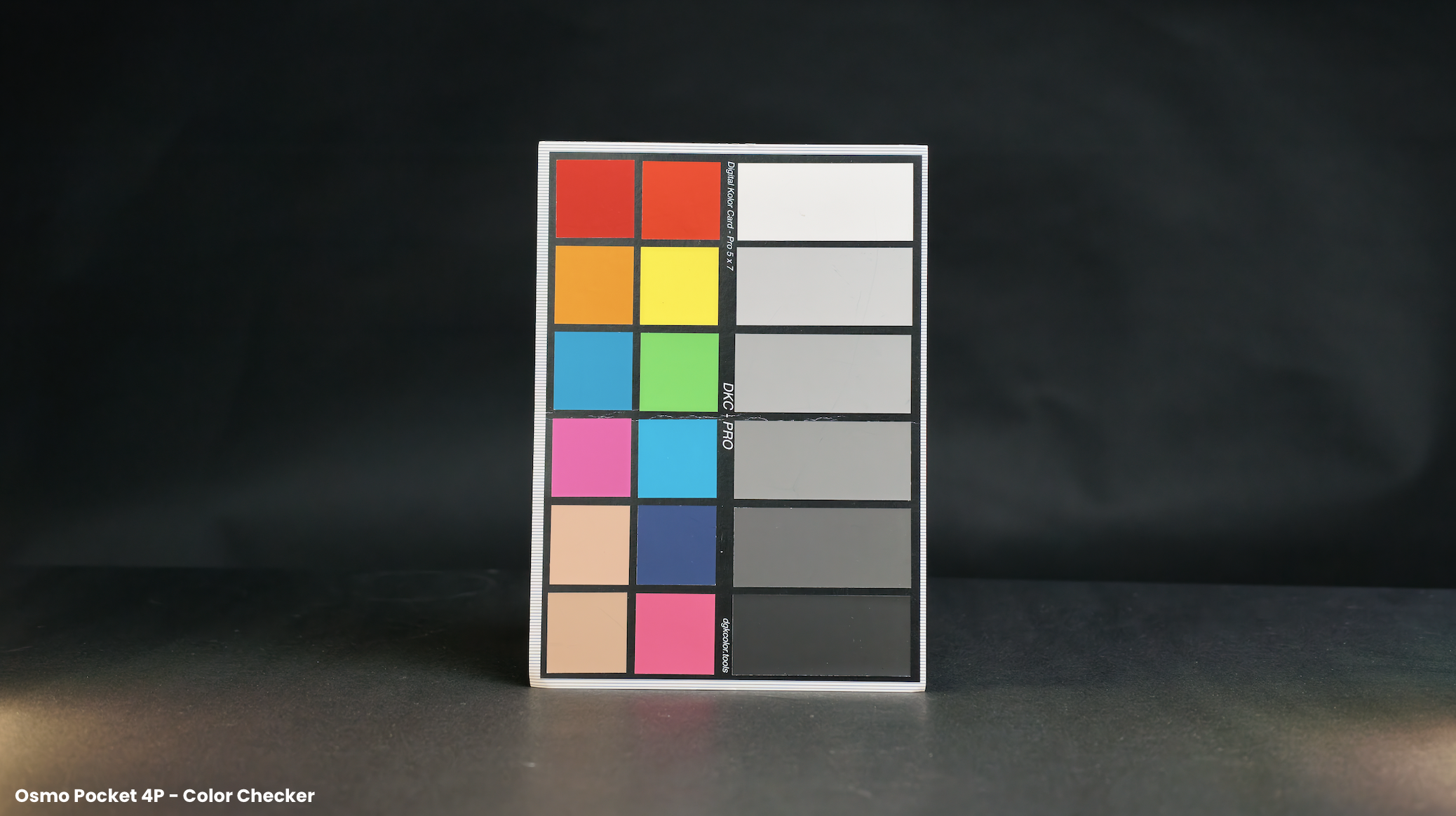
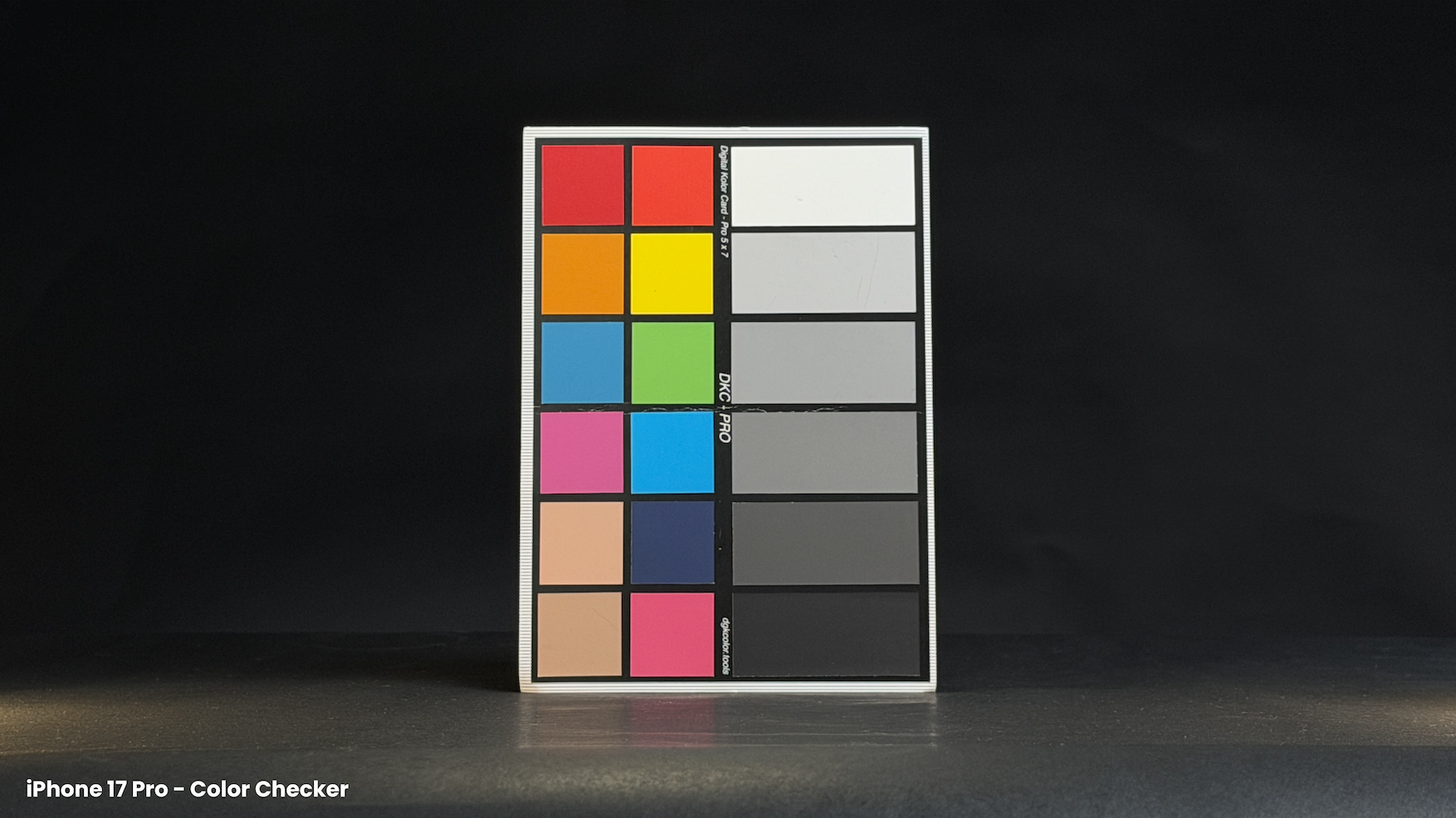
Image Quality: The Osmo Pocket 4P Looks Cleaner to Me
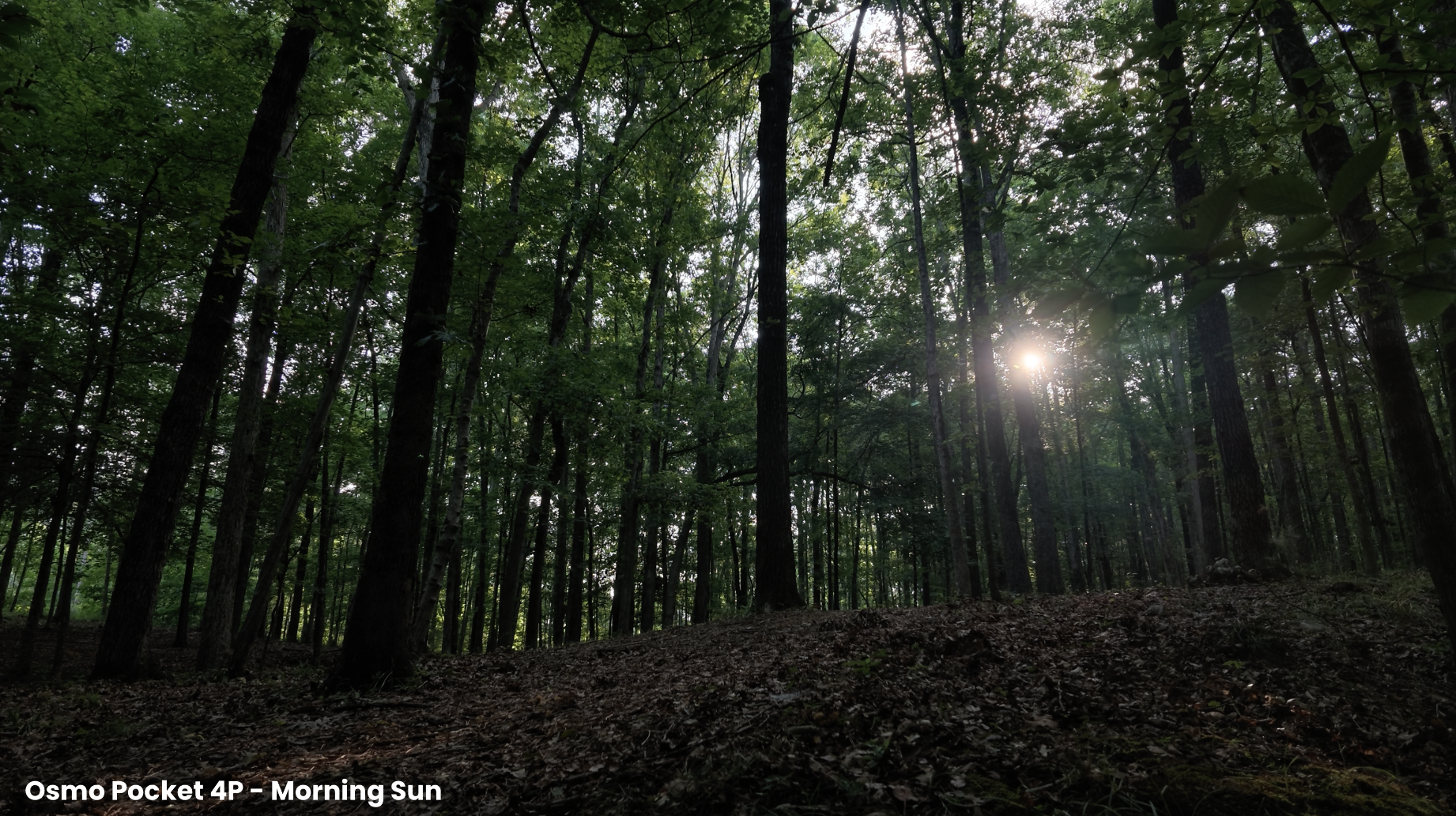
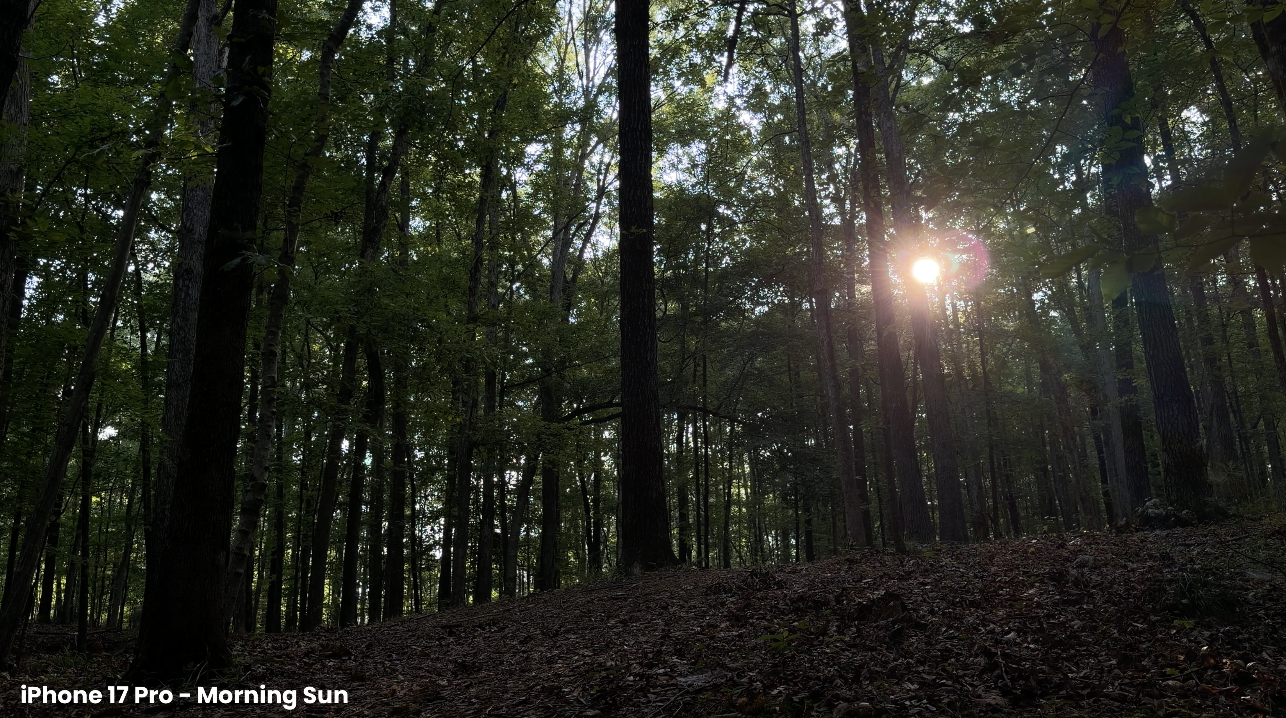
When I started comparing the footage, the thing that stood out to me most was how clean and natural the Osmo Pocket 4P looked.
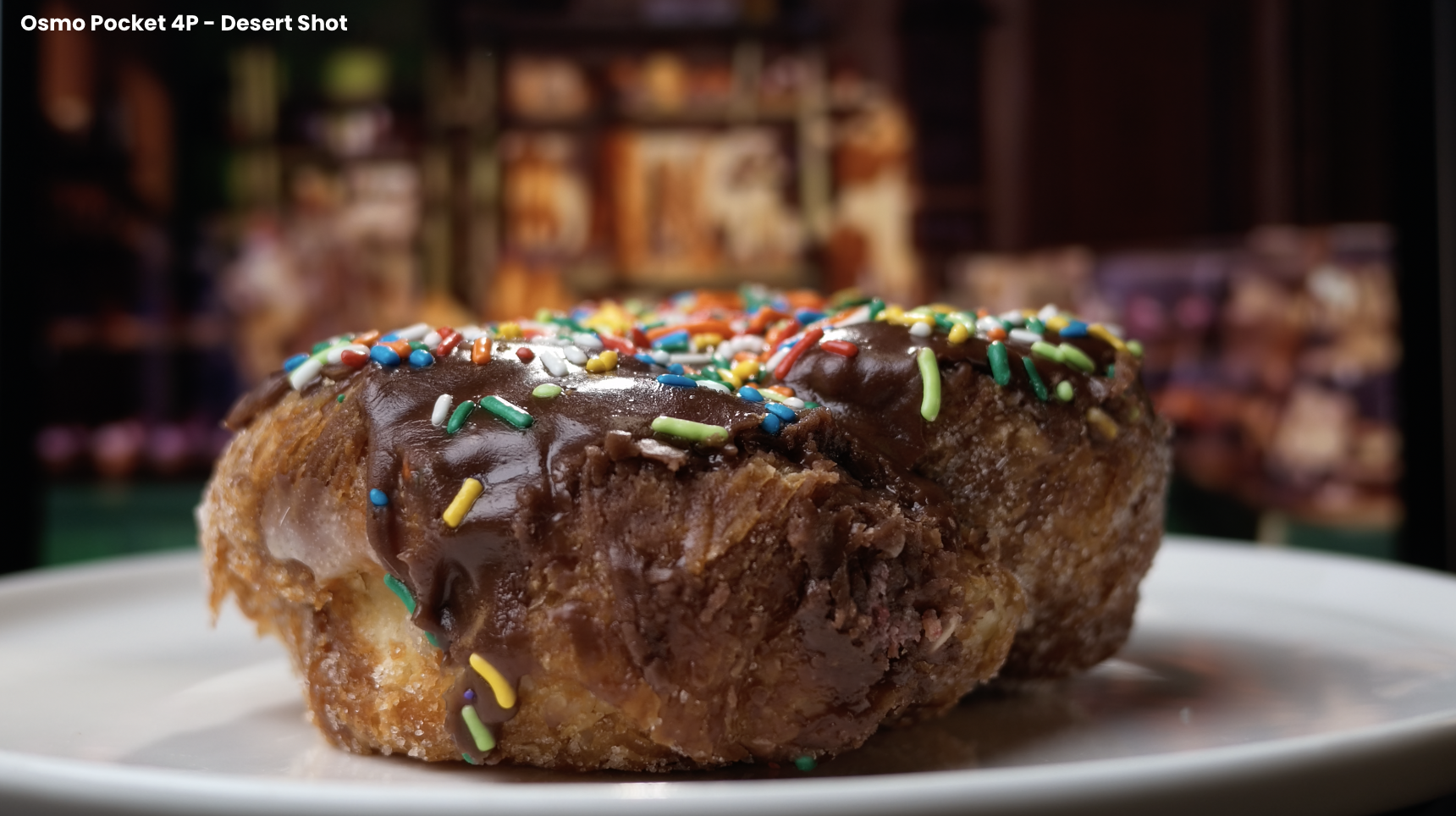
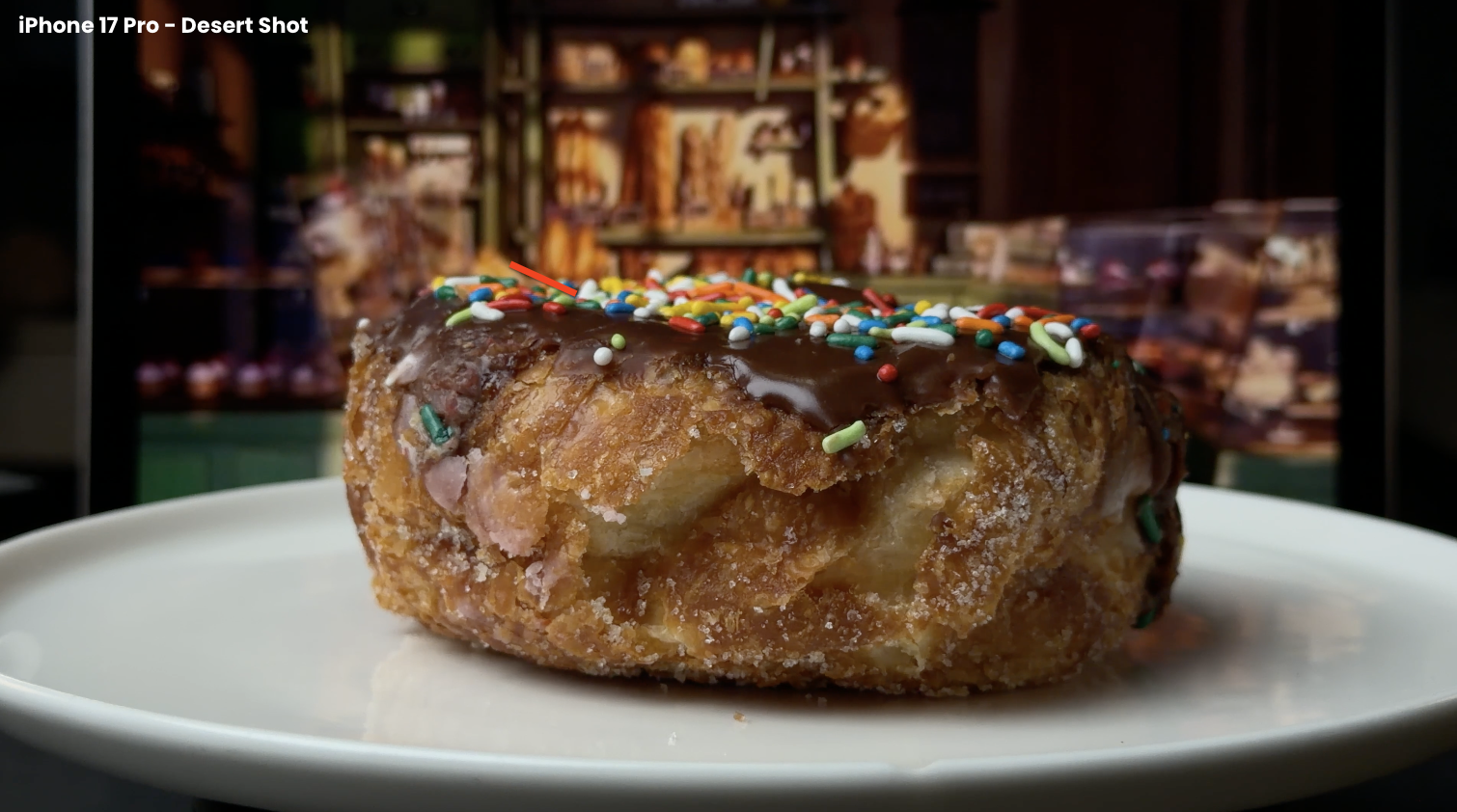
The Pocket 4P image felt smoother, the colors looked more realistic, and it did not have that overly processed look I sometimes saw from the iPhone 17 Pro. The iPhone can look great, but in certain lighting environments, especially controlled studio lighting, it starts to feel a little more digital.
In some shots, I noticed the iPhone 17 Pro lifting the midtones and boosting saturation. That can make the image look brighter and punchier at first glance, but it can also make the footage feel less natural. The Osmo Pocket 4P, to my eyes, held onto a more realistic image.
That is a big reason why I prefer the Pocket 4P for video.
Low Light and Controlled Lighting
In controlled lighting environments, I really started to see the difference between these two cameras.
The Osmo Pocket 4P handled certain studio setups better, especially when I was trying to get a more cinematic image. I liked the way it held contrast in the foreground and background, and the image felt more polished overall.
The iPhone 17 Pro still did a good job, but it sometimes felt like it was trying to compensate too much. Because the sensor is smaller, the phone seems to rely more on processing, and that can make certain shots look sharper, more saturated, and more digital than I would like.
For normal everyday filming, that might not bother you. But if you are trying to create more intentional video work, product shots, talking head videos, or cinematic scenes, I think the Osmo Pocket 4P gives you a cleaner starting point.
Slow Motion: Big Win for the Osmo Pocket 4P
One of the biggest advantages of the Osmo Pocket 4P is slow motion.
The Pocket 4P can shoot up to 4K 240fps, which is a huge deal for creators who want high-quality slow motion. The iPhone 17 Pro can still shoot great slow motion, but when comparing 1080p 240fps on the iPhone to 4K 240fps on the Pocket 4P, the difference is noticeable.
The iPhone footage starts to look softer at 240fps, while the Osmo Pocket 4P keeps more detail because it is still shooting in 4K. In shots with small details, like debris floating through the air, the 4P holds up better. The iPhone starts to get a little mushier because of the lower resolution.
For creators who love slow motion, that alone could be a major reason to choose the Osmo Pocket 4P.
Stabilization: Mechanical Gimbal vs Digital Stabilization
Another major win for the Osmo Pocket 4P is the built-in mechanical gimbal.
With the Pocket 4P, I am not relying on heavy digital stabilization. What I see is basically what I get. The camera is physically stabilized, which gives the footage a natural, smooth look without cropping in as much or adding that digital stabilization feel.
The iPhone 17 Pro also has very good stabilization, but it is still digital. It can crop the image, change the composition, and sometimes create a slightly different look than what you originally framed.
For walking shots, low-angle shots, product movement, and cinematic motion, the Pocket 4P just feels better to use. It feels like a little filmmaking tool that wants you to move with it.
Color Science and Skin Tones
This is where the iPhone 17 Pro started to fall behind for me.
The iPhone can look great outdoors and in bright environments, but when I was shooting skin tones indoors in a controlled lighting setup, the standard color profile did not look as natural to me.
The iPhone 17 Pro tends to lift the midtones and add saturation, which can make skin tones look less realistic. If I were shooting skin tones indoors with the iPhone, I would probably shoot in Apple Log2 and grade it in post instead of relying on the standard profile.
The Osmo Pocket 4P, on the other hand, gave me a more natural look straight away. I still like grading the footage, but the starting point felt better to me.
For talking head videos, YouTube videos, product videos, and controlled lighting setups, I would rather use the Pocket 4P.
Product Shots and Food Videos
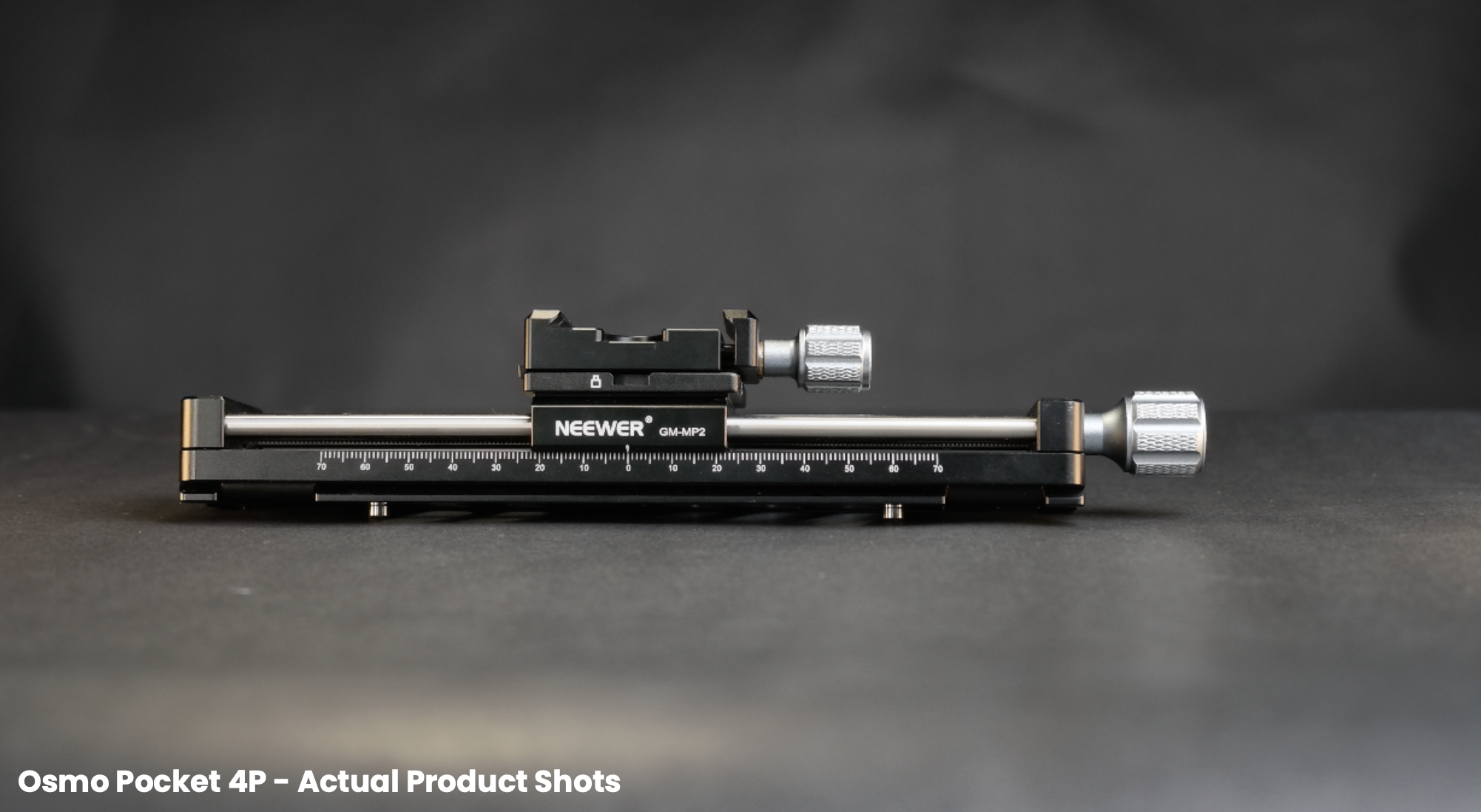
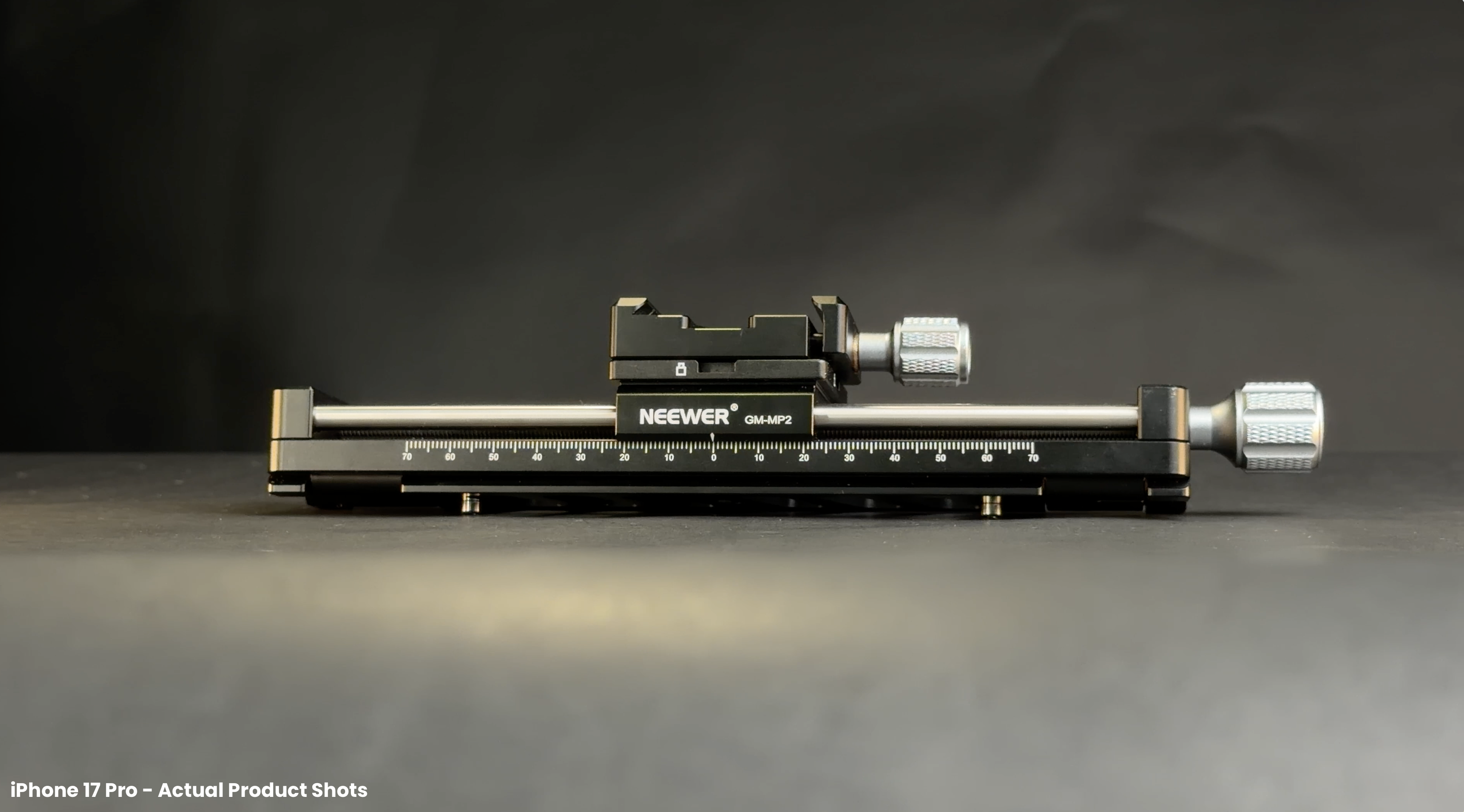
If I were shooting product videos or food videos, I would pick the Osmo Pocket 4P.
In my tests, the Pocket 4P gave me colors that felt more true to what I was seeing in real life. The iPhone 17 Pro sometimes made the image look a little too processed, especially with saturation and sharpness.
That matters a lot for product work. If you are filming a product, you usually want the colors to look accurate. You do not want the camera making everything look more intense or more digital than it actually is.
For product shots, I would rather invest in an Osmo Pocket 4P, a good lighting setup, and maybe even a basic phone for everything else. That might sound funny, but for video work, the Pocket 4P just makes more sense to me.
Zoom Range and Color Shifting
I also tested the different zoom ranges on both cameras to see how much the colors shifted.
On the Osmo Pocket 4P, the biggest color shift I noticed was between the 1x and 3x cameras. It was noticeable, but not terrible. From 3x to 6x, the shift was smaller. From 6x to 12x, I did not see much of a color difference because it is basically cropping in digitally.
The iPhone 17 Pro also had color shifts between zoom ranges. I noticed a shift between 1x and 2x, and then again between 2x and 4x. The green tones especially changed in a way that could be a little problematic if you were cutting different zoom ranges together in a video.
Neither camera is perfect here, but overall, I preferred the Pocket 4P’s look.
Green Screen: One Area Where the iPhone 17 Pro Won
To be fair, the iPhone 17 Pro did beat the Osmo Pocket 4P in one area: green screen.
I lit the green screen evenly and applied a simple key, and the iPhone 17 Pro gave me a cleaner result right away. The Pocket 4P still worked, but it needed more tweaking.
For fast-paced green screen work where I want to drag, drop, key, and export quickly, the iPhone 17 Pro actually did better.
So this comparison is not just me saying the Osmo Pocket 4P wins everything. The iPhone 17 Pro absolutely has strengths.
The iPhone 17 Pro Is Still Amazing
Even though I prefer the Osmo Pocket 4P for video, I still think the iPhone 17 Pro is crazy impressive.
You can shoot great video, take high-resolution photos, call people, text people, edit, upload, run apps, and basically manage your life from one device. That is insane.
For everyday content, travel clips, quick social media videos, behind-the-scenes footage, and situations where you do not want to carry another camera, the iPhone 17 Pro makes a ton of sense.
But for me, when I am going out specifically to film and create something, I want a dedicated camera in my hand.
Final Verdict: I Prefer the Osmo Pocket 4P for Video
So in the end, I like the Osmo Pocket 4P better for video.
The image feels cleaner. The colors feel more natural. The built-in gimbal makes filming easy. The 4K 240fps slow motion is a huge advantage. And there is just something about having a dedicated camera in your hand that makes you want to go out and create.
The iPhone 17 Pro is still incredible, and for a lot of people, it may be all they need. But if you care about intentional filmmaking, cleaner video, smoother movement, better slow motion, and a camera that feels built for creators, I would personally choose the Osmo Pocket 4P.
For me, the Pocket 4P is not just another camera. It feels like a creative tool. And that is why I like it better.
Author