
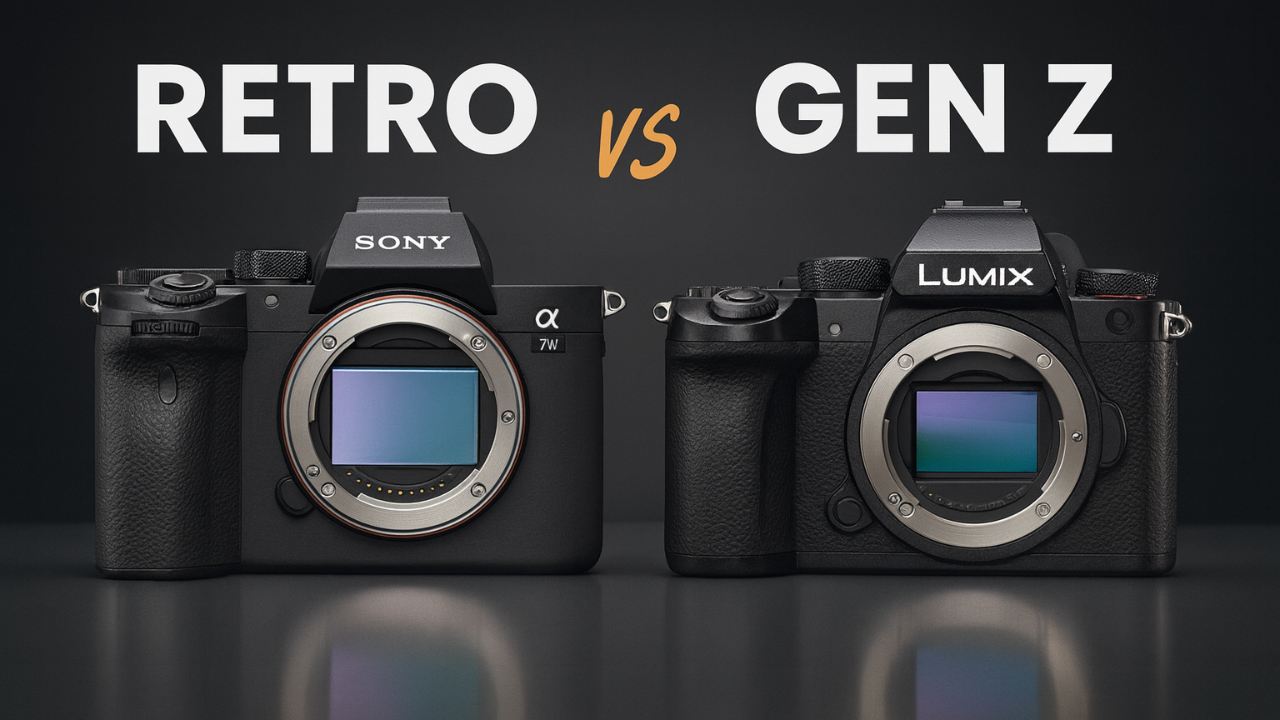
Panasonic S5 II vs Sony a7 III
Feb 03, 2026Get the full story watching the video above ⬆️
Sony A7 III vs Panasonic S5 II - Full-Frame Showdown in 2025
In the world of hybrid cameras, some models age like fine wine, while others are built as the “future backup plan.” The Sony a7 III, released in 2018, is very much the formerit’s become a legend in full-frame hybrid shooters. But with Panasonic’s introduction of the S5 II in 2023, we now have a modern challenger aiming to leapfrog legacy systems.
In this article, we’ll break down their specs, compare real-world performance, and help you decide which of these two full-frame hybrids makes more sense for you in 2025.
Purchase:
Sony a7 III - https://geni.us/MJxoi2
Panasonic S5 - https://geni.us/Lxz55
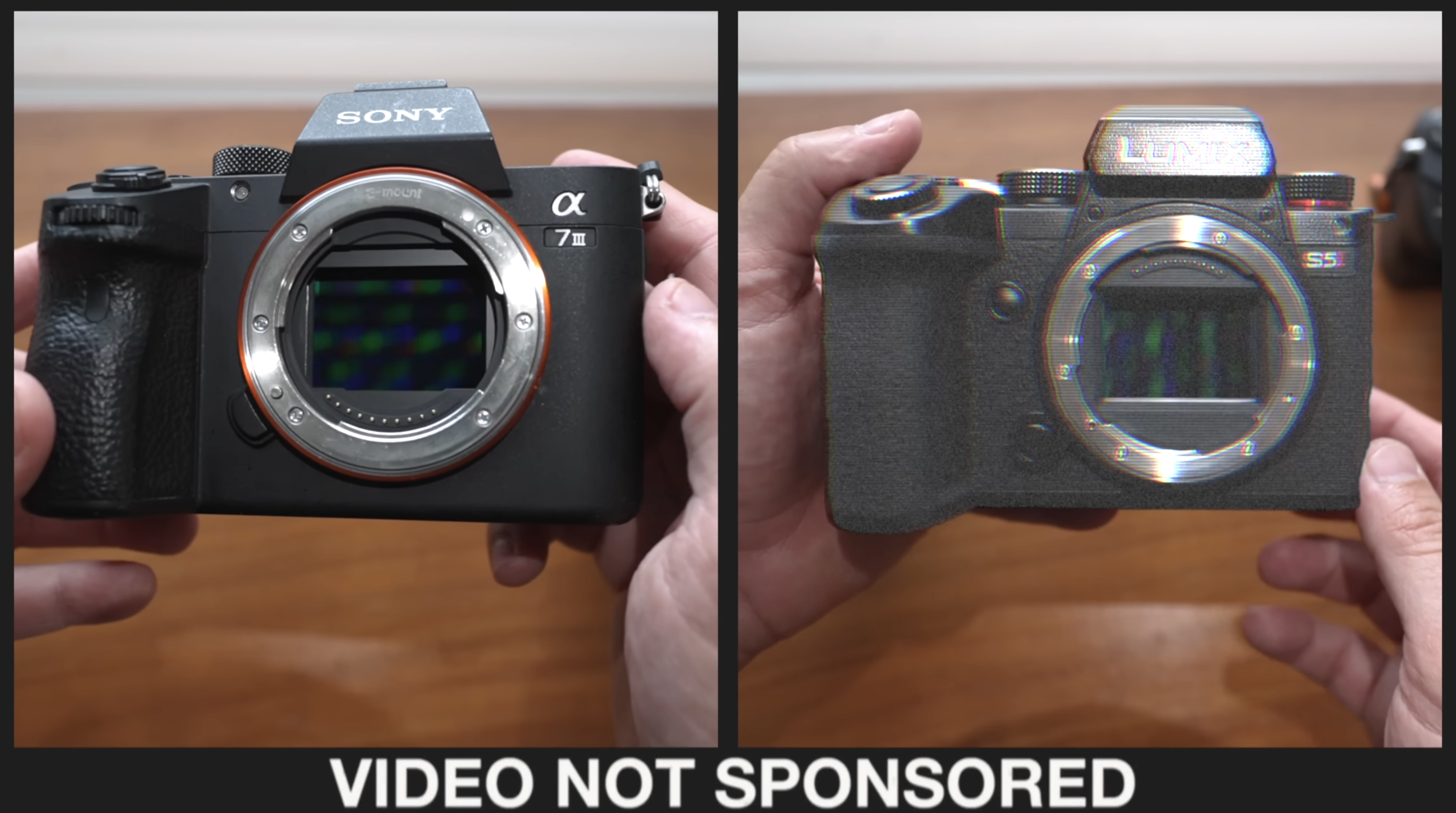
Release Dates, Pricing & Positioning
- The Sony A7 III launched in March/April 2018. Camera Jabber+2Imaging Resource+2
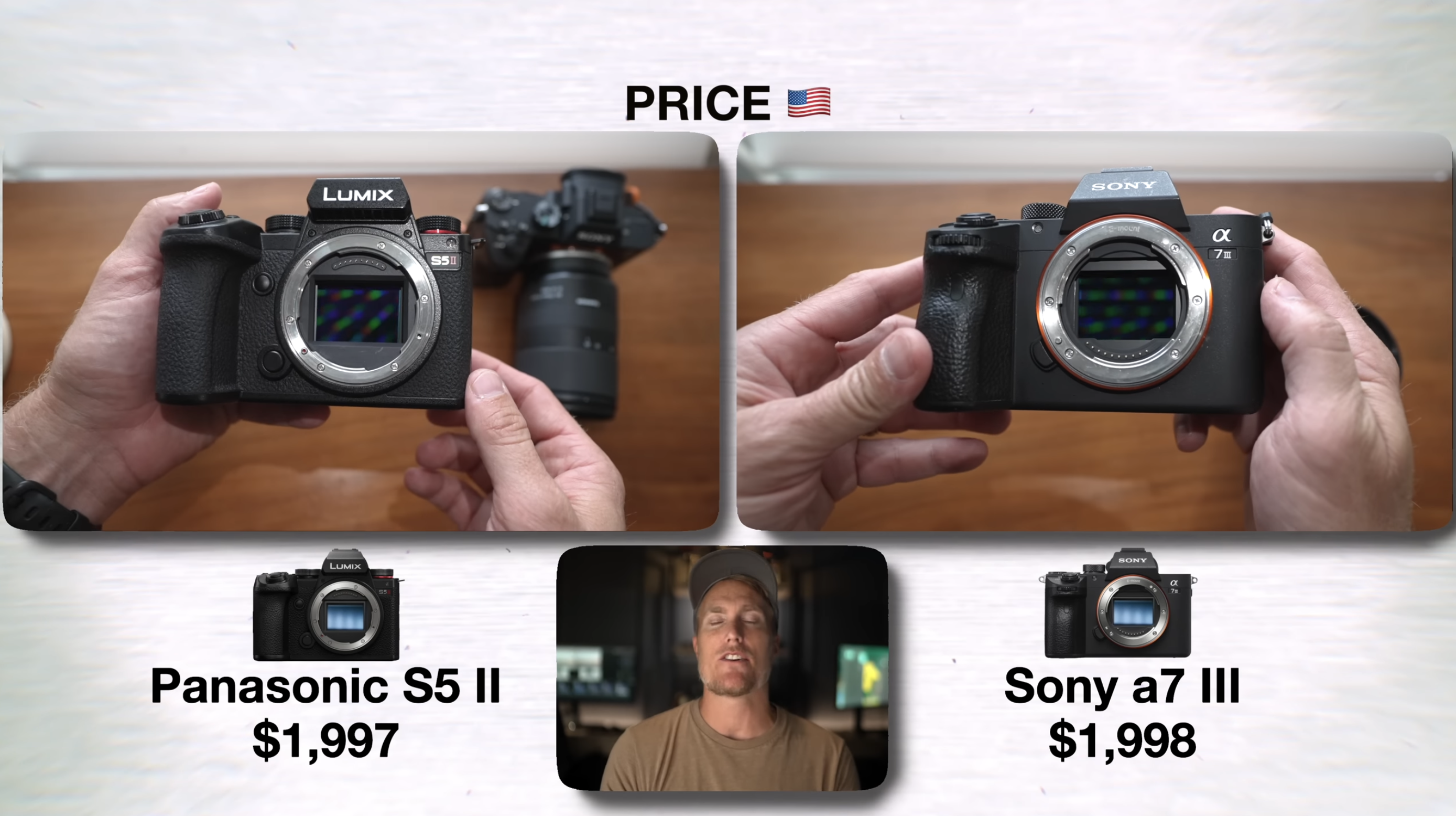
At launch, its body-only MSRP hovered around USD $2,000. DPReview+2Imaging Resource+2
Over time, it has settled into a tier that still offers great value for full-frame performance. - The Panasonic Lumix S5 II was officially announced in early 2023, with shipments beginning January 2023 for the base model. Cameralabs+5Cameraegg+5Panasonic+5
Its recommended body-only price is USD $1,999. Camera Jabber+3TechRadar+3DPReview+3
(Note: Panasonic also offers an “S5 II X” variant with additional video perks at a premium.) Camera Jabber+3DPReview+3CineD+3
From a pricing perspective, the two are still in close competition—less than a $50 difference in MSRP in some markets. What really separates them is how technology has evolved in those 5 years.
Key Specs & Architecture Comparison
Here’s a distilled comparison of what each camera brings to the table:
|
Feature |
Sony A7 III |
Panasonic S5 II |
|
Megapixels / Sensor |
24.2 MP full-frame BSI CMOS DPReview+3The-Digital-Picture.com+3Imaging Resource+3 |
24.2 MP full-frame (newer generation) CineD+4TechRadar+4Cameralabs+4 |
|
Autofocus |
Phase-detect hybrid, well-known system in pros & hybrids |
New hybrid phase-detect AF (first in LUMIX full-frame) TechRadar+5CineD+5Panasonic+5 |
|
Video & Bit Depth |
4K up to 30p, S-Log capable (8-bit workflows) Imaging Resource+2Imaging Resource+2 |
6K up to 30p, 10-bit 4:2:2 internal, unlimited record times Panasonic+4TechRadar+4Cameralabs+4 |
|
Image Stabilization |
In-body stabilization (IBIS) |
5-axis dual I.S. + Active I.S. system DPReview+3Panasonic+3RTINGS.com+3 |
|
Build & Body |
Lighter, more mature design |
Slightly heavier, with heat management, flip screen, full-size HDMI Panasonic+3TechRadar+3DPReview+3 |
|
Recording Limitations |
Standard time limits & 8-bit constraints |
Unlimited recording times in most modes Cameralabs+2DPReview+2 |
A Few Real-World Highlights
While specs matter, the differences become tangible in real shooting. Here are two comparisons drawn from your testing script that underscore how these cameras diverge:
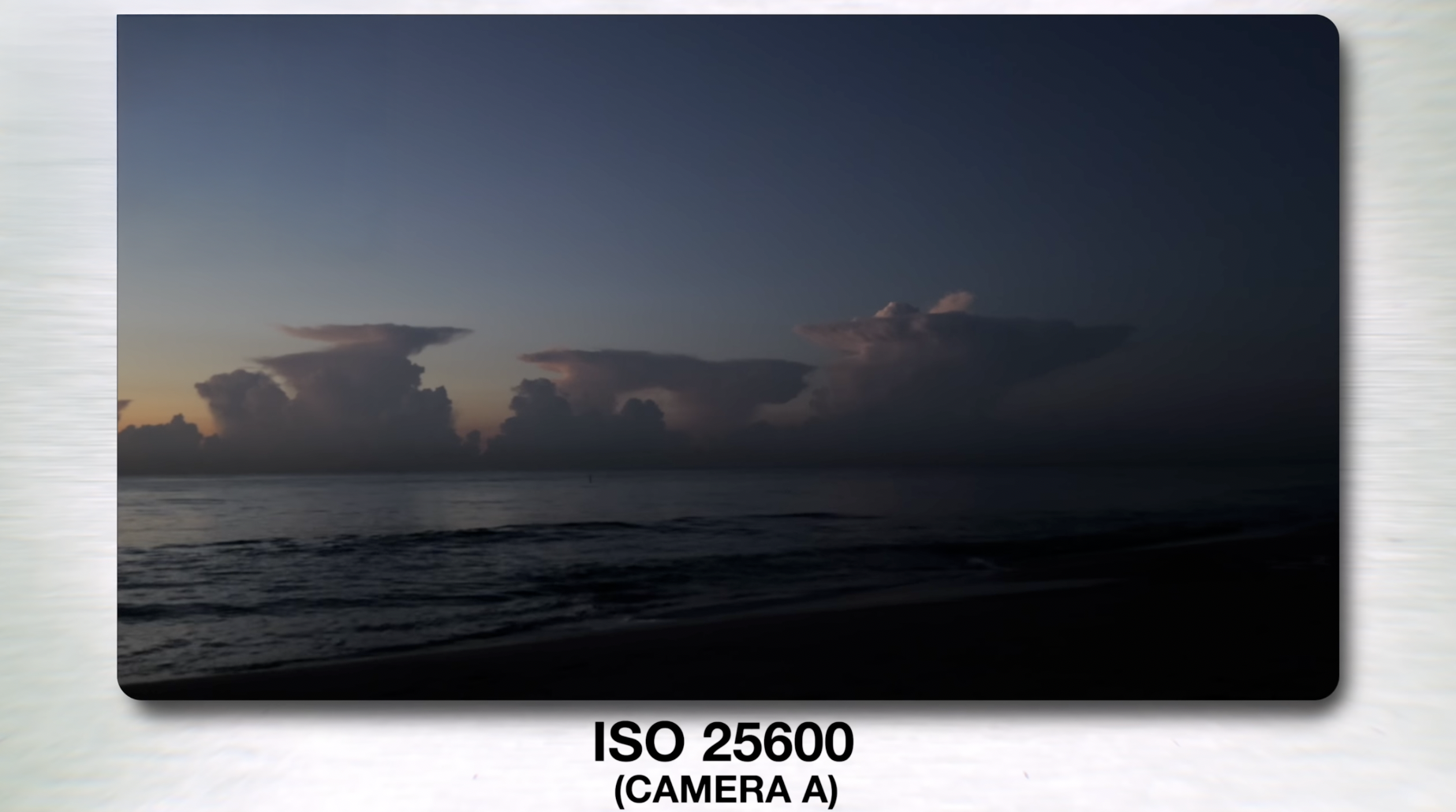
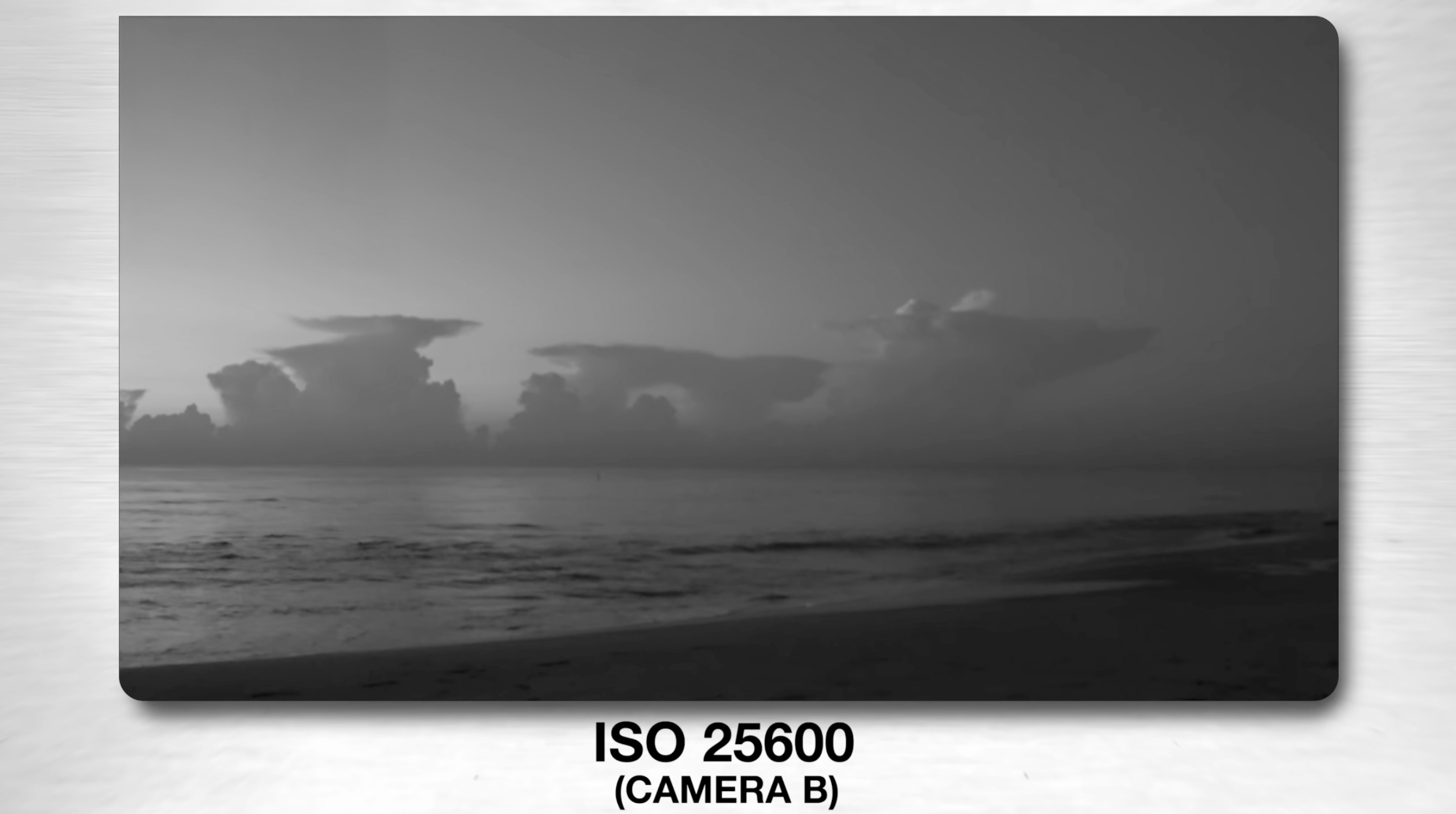
- ISO 25,600 (Standard Profile)
- Camera A delivers punchier contrast, deeper shadows, and a more dramatic aesthetic.
- Camera B is flatter and more forgiving—lifting midtones and preserving more detail in skies and highlights.

- LOG Footage Behavior
- One camera (S5 II) leans greenish, the other (A7 III) shifts purple in LOG—both subtle, but affecting grading workflows.
- When graded with Fujifilm-style LUTs, the S5 II holds cleaner roll-off; the A7 III needs more care in highlights and skies.
These examples mirror what many hybrid creators experience when comparing a seasoned full-frame camera to a newer hybrid entry.
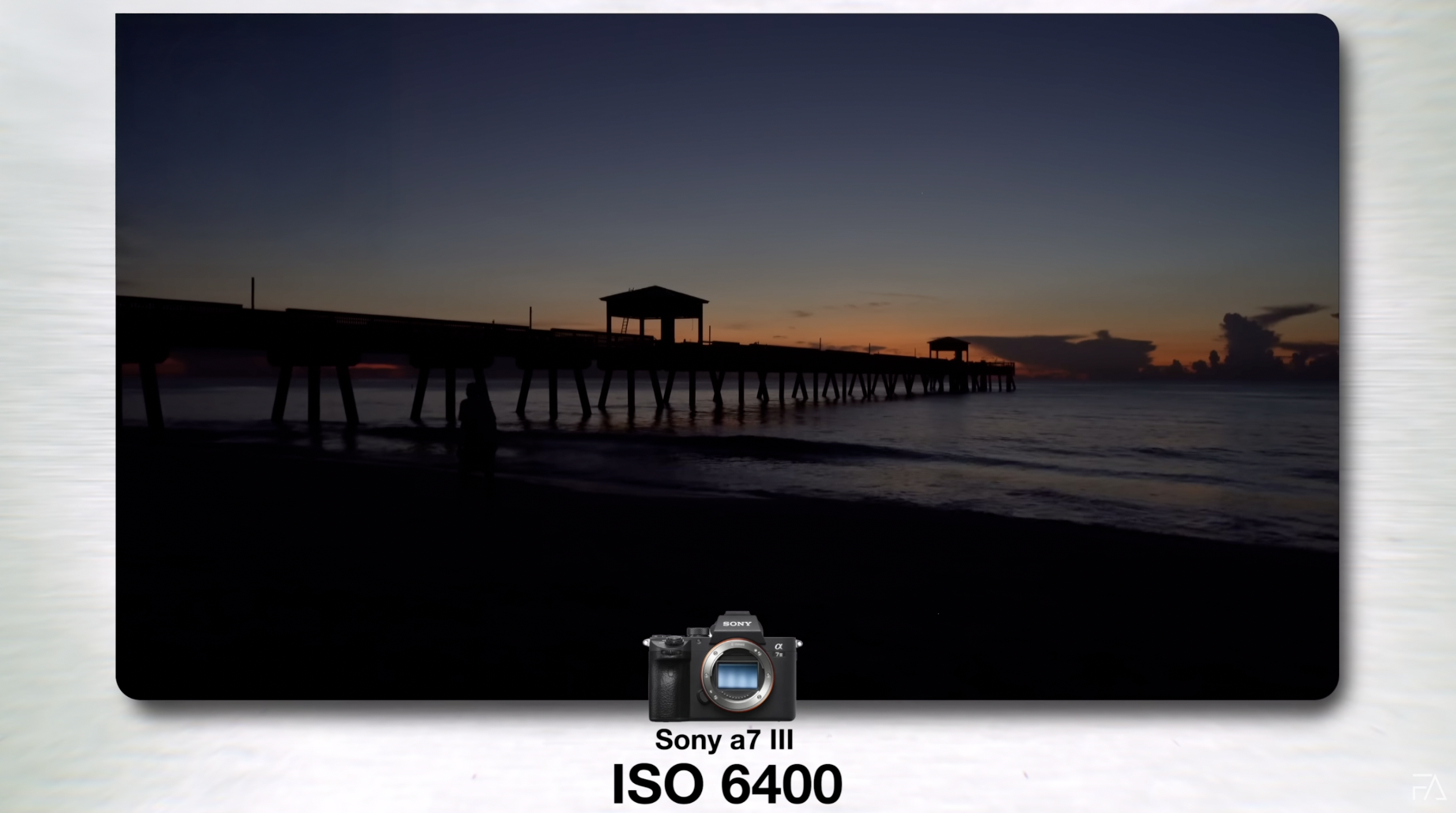
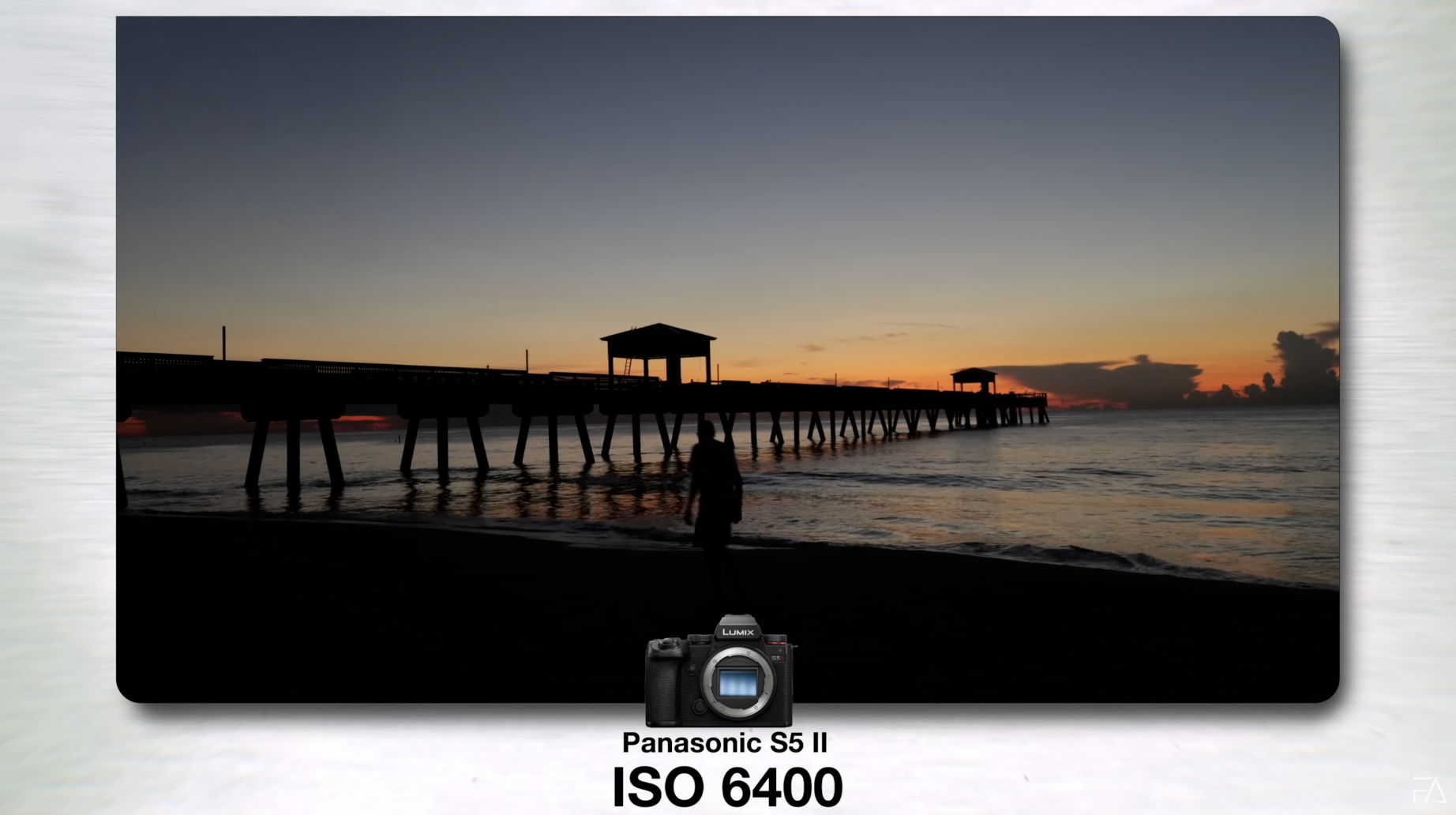
Strengths, Weaknesses & Who Each Serves Best
✅ What the Sony A7 III Still Offers (and Why It Endures)
- Its autofocus system is mature, tested, and well supported.
- The full-frame sensor gives great low-light performance for its era.
- It’s lighter and easier to carry for extended strapped-out shoots.
- A large library of lenses and accessories already exists for E-mount users.
⚠️ Where the S5 II Pushes Ahead
- Its 10-bit video, unlimited record times, and modern stabilization make it far more future-proof for video.
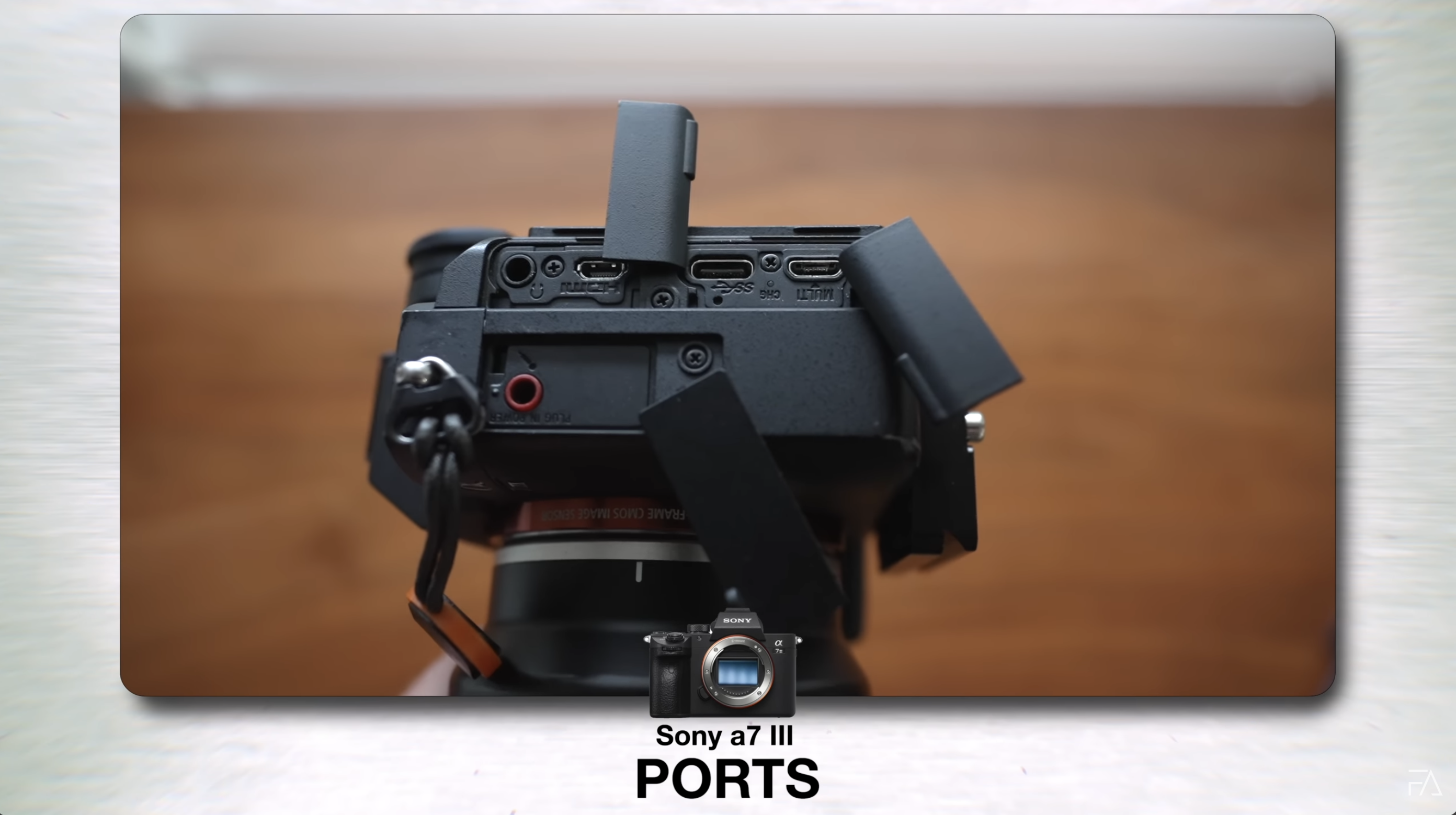
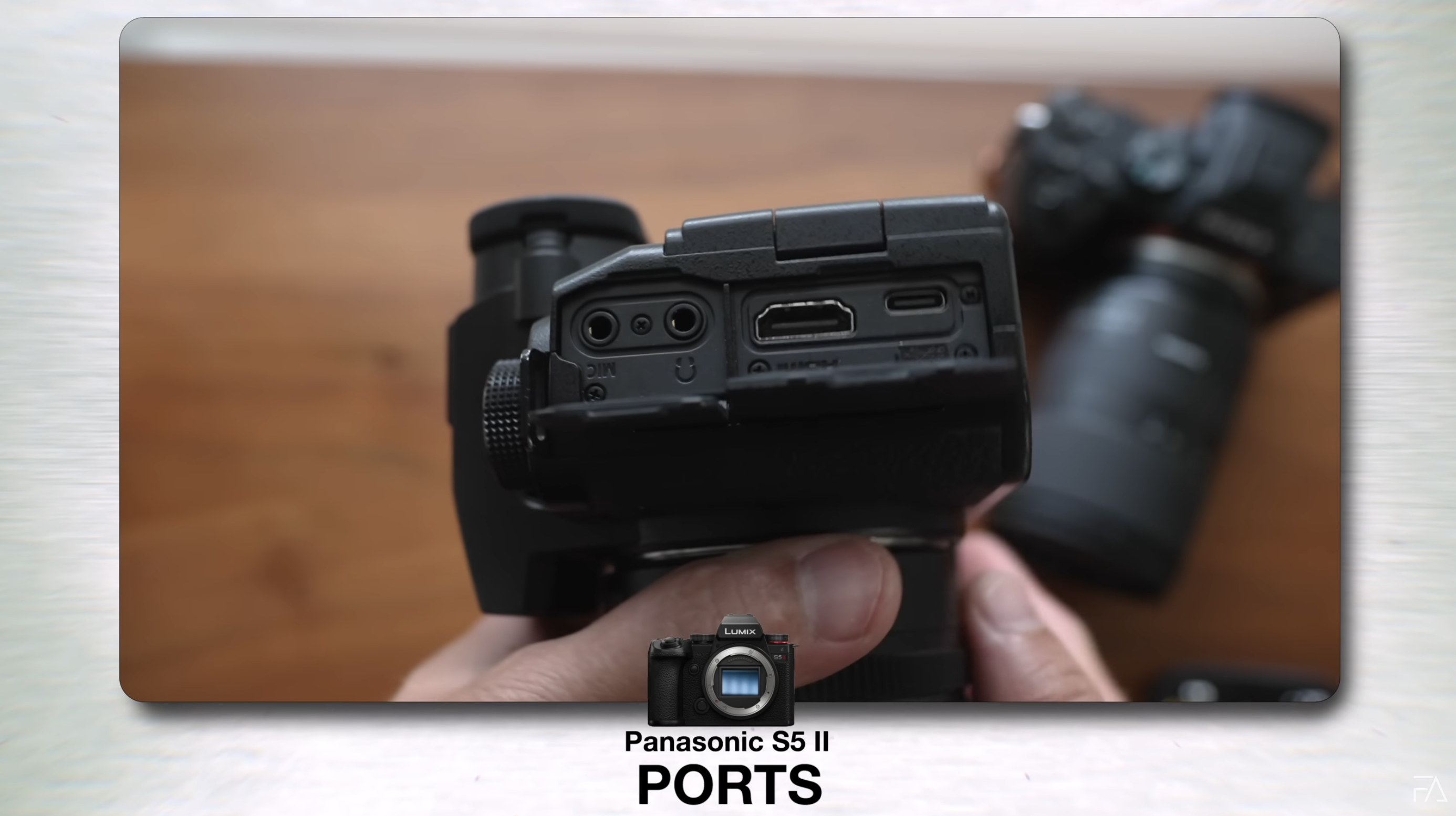
- Dual UHS-II slots, flip screen, and full-size HDMI reflect a video–creator mindset.
- The improved hybrid AF system addresses Panasonic’s traditional weakness.
- Better thermal management for longer shoots.
Who Should Choose Which?
|
Use Case |
Best Pick |
|
Primarily stills, portability, and low light photography |
Sony A7 III |
|
Video, hybrid use, long recording, and future-forward workflows |
Panasonic S5 II |
Final Thoughts & Verdict
If I were picking fresh today, I’d lean toward the Panasonic S5 II. While the A7 III remains a study in longevity and balanced hybrid capability, the S5 II’s video enhancements, dynamic features, and modern design suggest it’s better aligned to today’s creator demands.
That said—you can’t go wrong with either. The A7 III still holds tremendous value, especially for photographers who lean light, fast, and efficient. The S5 II, however, is the one I’d bet on for creators who want room to grow and push their video game without having to refresh sensors again too soon.
Author