The $600 Camera That Still Looks Cinematic in 2026
May 26, 2026Get the full story watching the video above ⬆️
Purchase:
Sony a6400 - https://geni.us/7QXmfT or https://geni.us/8btxX2G
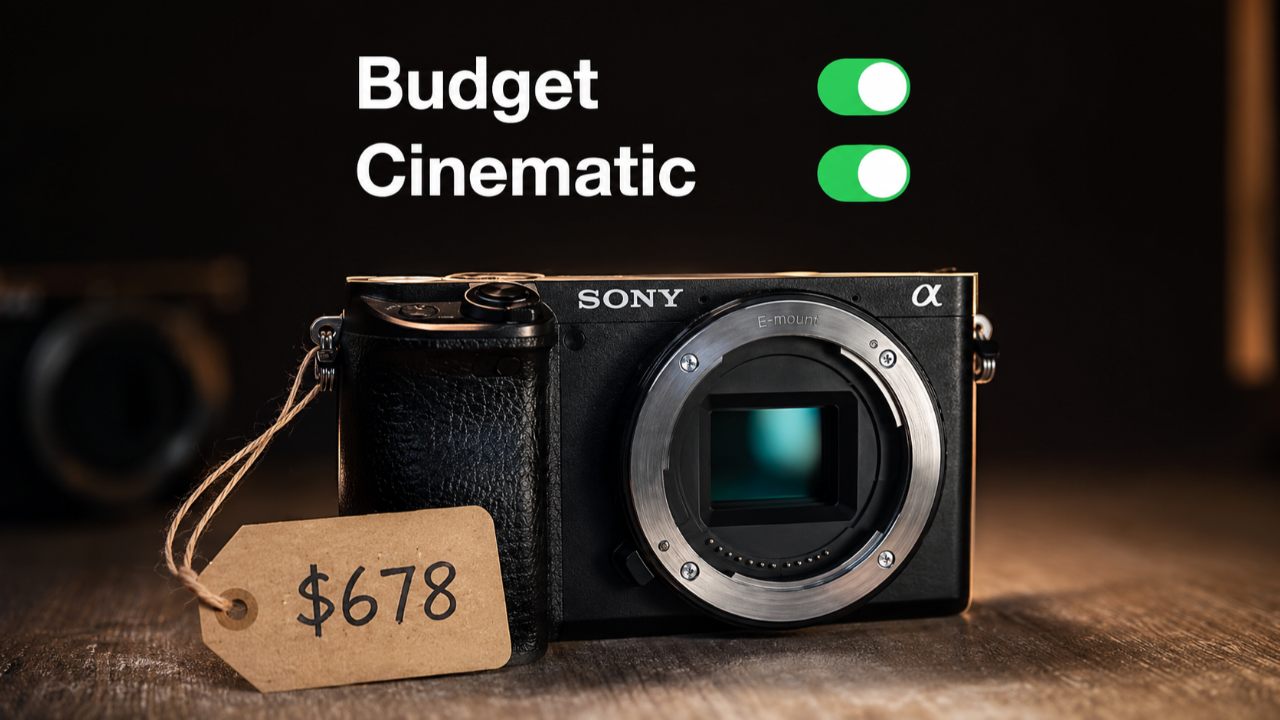
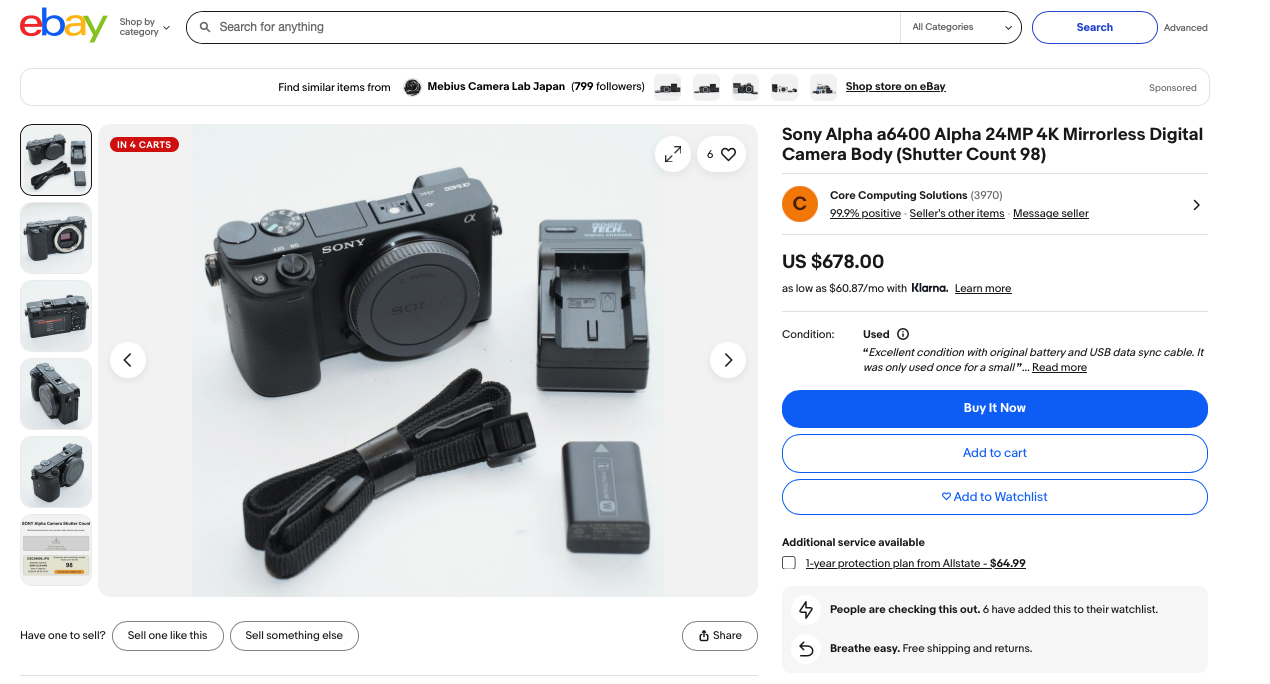
Most people think that in order to make cinematic videos, you need a ton of expensive gear. Big cameras, high-end lenses, lighting setups, and all the extras. But honestly, you really don’t. Right now, I can shoot a clean, professional-looking talking head using a camera that sells for around $600 used and a lens that’s under $200 brand new. That means for about $1000, you can have a full setup and still have room left over for essentials like an SD card and an extra battery. And when it comes to lighting, I’m either using natural light from a window or a simple $40 lighting kit from Amazon. That’s it.
 This isn’t the first time I’ve done this either. I’ve used budget setups like this on real, professional talking head shoots before. So in this post, I want to walk you through one of the best affordable setups you can still get today and why it works so well. The camera we’re talking about is the Sony a6400, and even though it came out back in 2019, it still holds up in a big way.
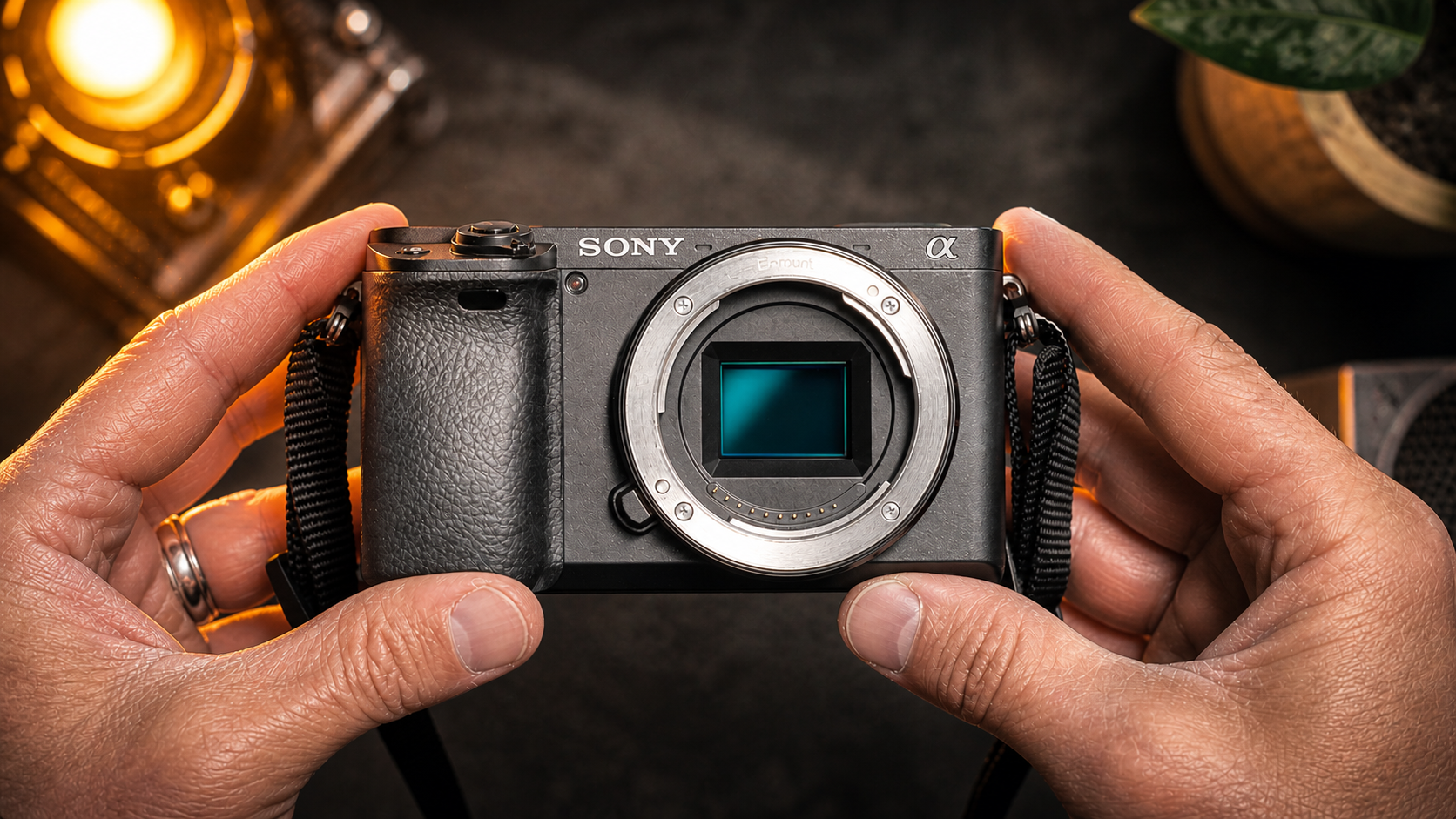
Why the Sony a6400 Still Matters
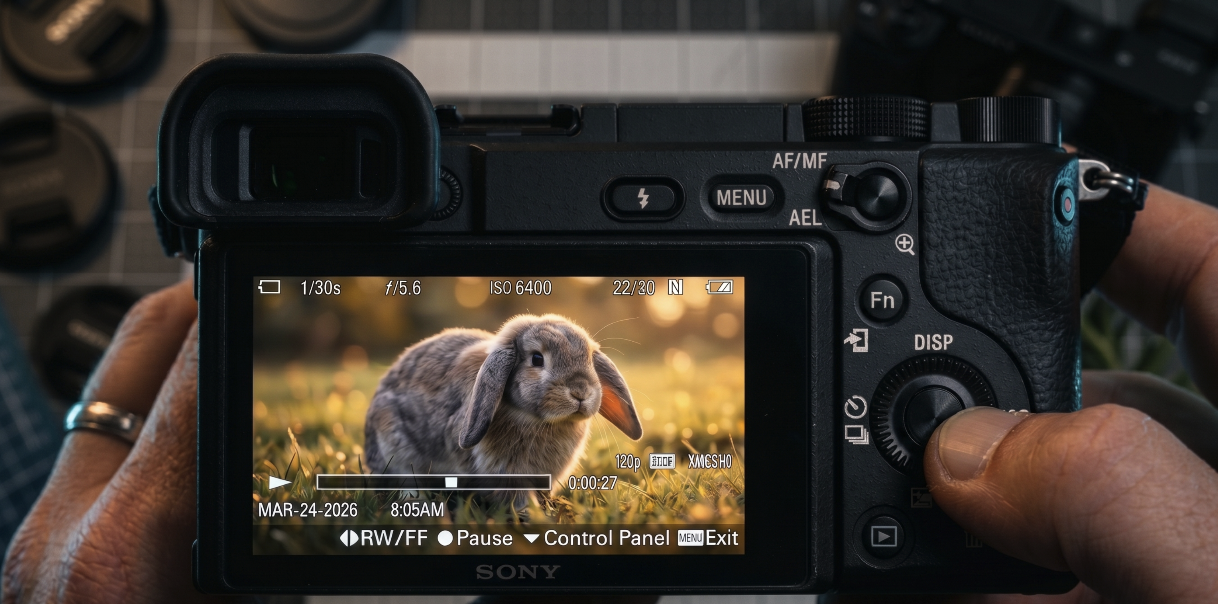
The Sony a6400 sits in a really interesting spot in Sony’s lineup. It’s not a cinema camera, and it’s not just a basic beginner camera either. It falls right in that middle ground where it’s simple enough for someone new to pick up and start using, but powerful enough to handle more serious work if you know how to use it properly. That’s what makes it so appealing. It’s small, lightweight, and easy to travel with, but it can still deliver results that look professional. Whether you’re shooting YouTube videos, client work, or just creating content for yourself, it’s a camera that adapts to a lot of different situations without feeling limiting.
Lens Setup Recommendations
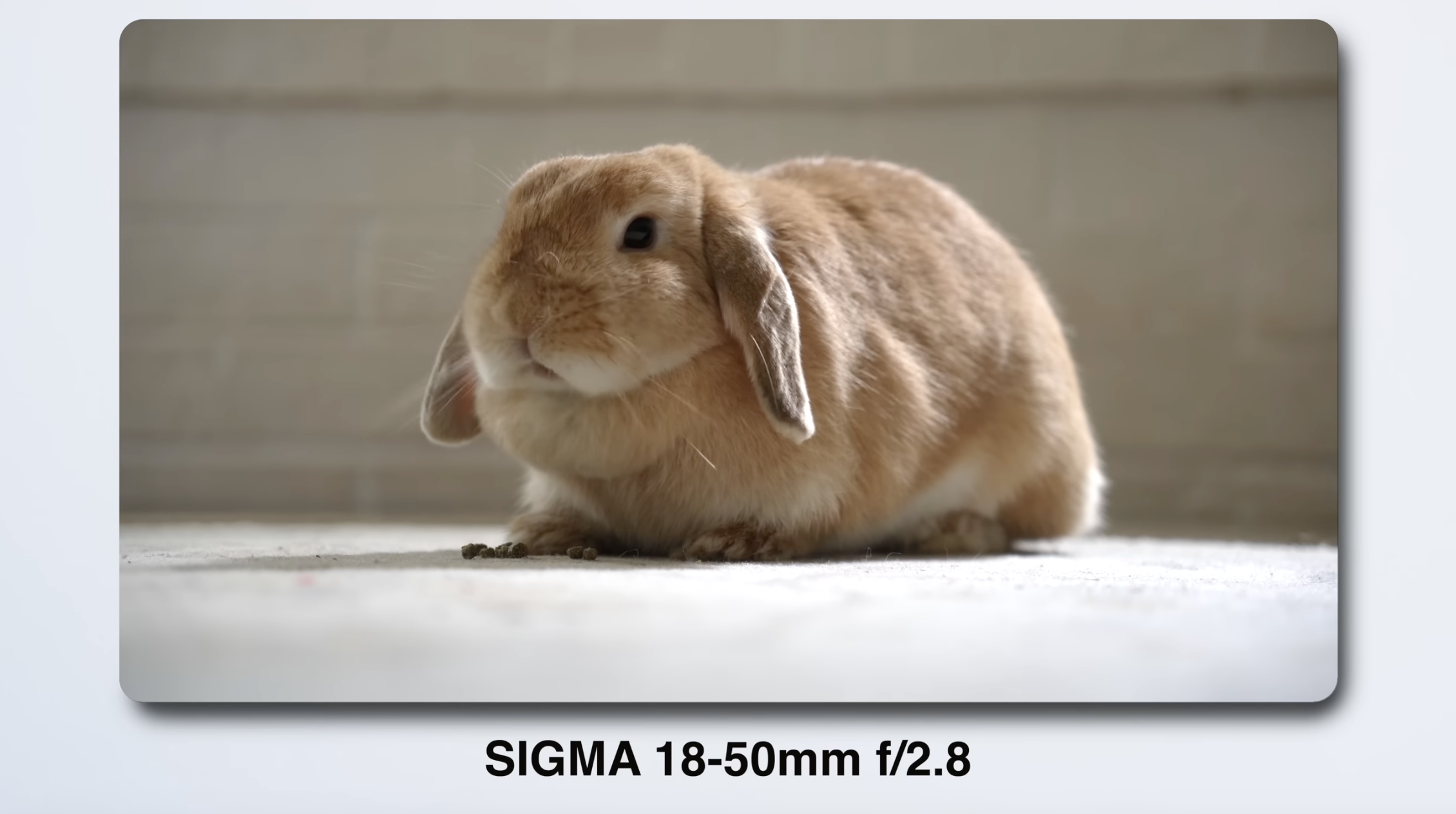
One of the biggest advantages of the Sony a6400 is the Sony E-mount lens system. There are so many options out there, and you can build a really strong setup without spending a ton of money. For the talking head shot I mentioned earlier, I used a Viltrox 25mm f/1.7, which is extremely affordable and gives you a clean, sharp image with nice background separation. If you’re traveling or want more flexibility, something like the Sigma 18-50mm f/2.8 is a great option because it covers a wide range of focal lengths while staying compact. And if you’re vlogging, a wider lens like the Viltrox 13mm makes it easy to hold the camera at arm’s length and still keep everything in frame. The flexibility of this lens ecosystem is honestly one of the biggest reasons this camera continues to be such a strong value.
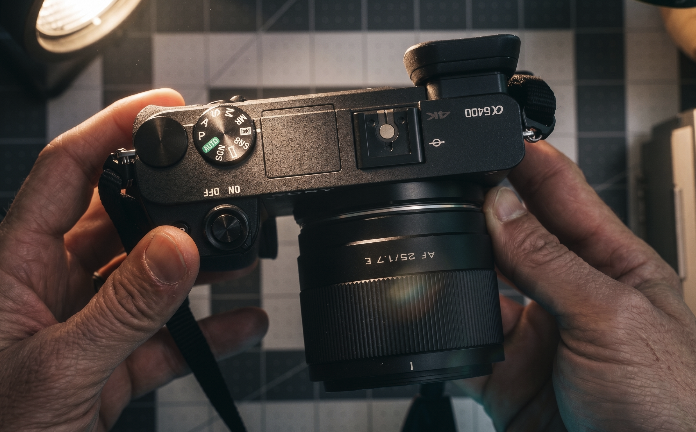
Image Quality
When it comes to image quality, the Sony a6400 still performs really well, even compared to newer cameras. The image has a balanced look to it. The contrast isn’t overly harsh, the colors are fairly neutral, and as long as you expose your shots correctly, the dynamic range holds up nicely. You can retain detail in both highlights and shadows, which is huge when you’re shooting in real-world conditions.
In daylight, this is where the camera really shines. The colors look natural, skin tones feel believable, and the image overall just looks clean without feeling overly processed. That’s something that older Sony cameras struggled with, especially when it came to skin tones, but the a6400 does a much better job here. Highlight roll-off is also solid for this price range. If you slightly underexpose your footage, you can usually recover highlights without them looking blown out or harsh. For photography, that 24 megapixel sensor gives you more than enough resolution for most use cases, and the images hold up well when editing.
Picture Profile Tip
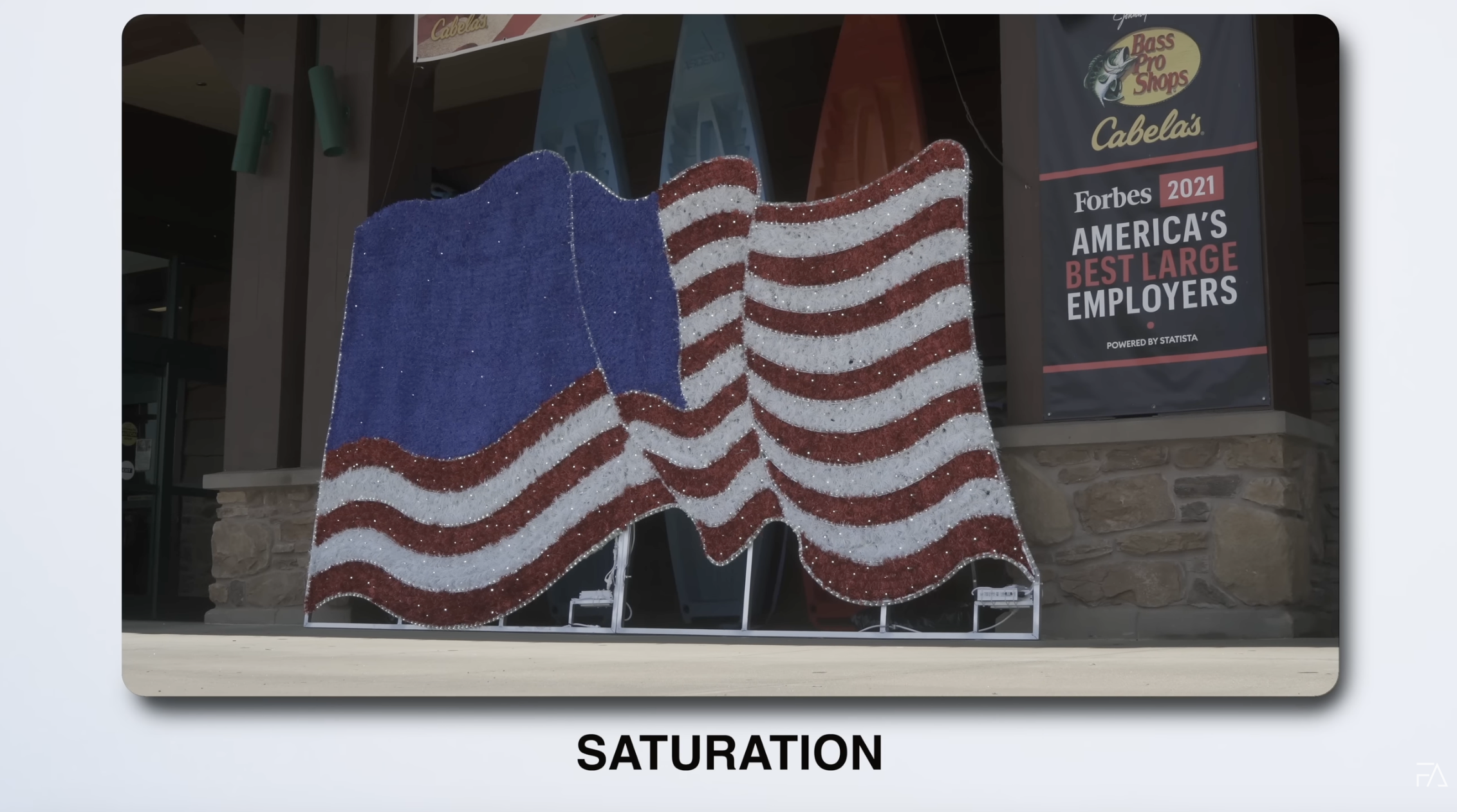
When I’m shooting talking head videos on the a6400, I usually go with Cine2 instead of just shooting straight out of the standard profile. It gives you a bit more flexibility in your image without going full log, which can be overkill for a lot of people. It’s a simple adjustment, but it makes a noticeable difference in how your footage looks, especially when it comes to controlling highlights and maintaining a more cinematic feel.
Stabilization / Motion
Stabilization is one of the areas where you need to understand the limitations of this camera. The Sony a6400 does not have in-body image stabilization, so the smoothness of your footage depends on your lens or how steady you are when shooting. If you’re holding the camera still or making controlled movements, the footage can still look very natural and usable. But once you start walking or moving more aggressively, you’ll notice more shake compared to cameras or phones that rely heavily on digital stabilization.
That said, this isn’t always a bad thing. Sometimes that natural movement actually gives your footage a more cinematic feel compared to overly stabilized footage that can look artificial. If you want completely smooth motion, adding a small gimbal makes a huge difference and can take your footage to another level.
Low Light Performance
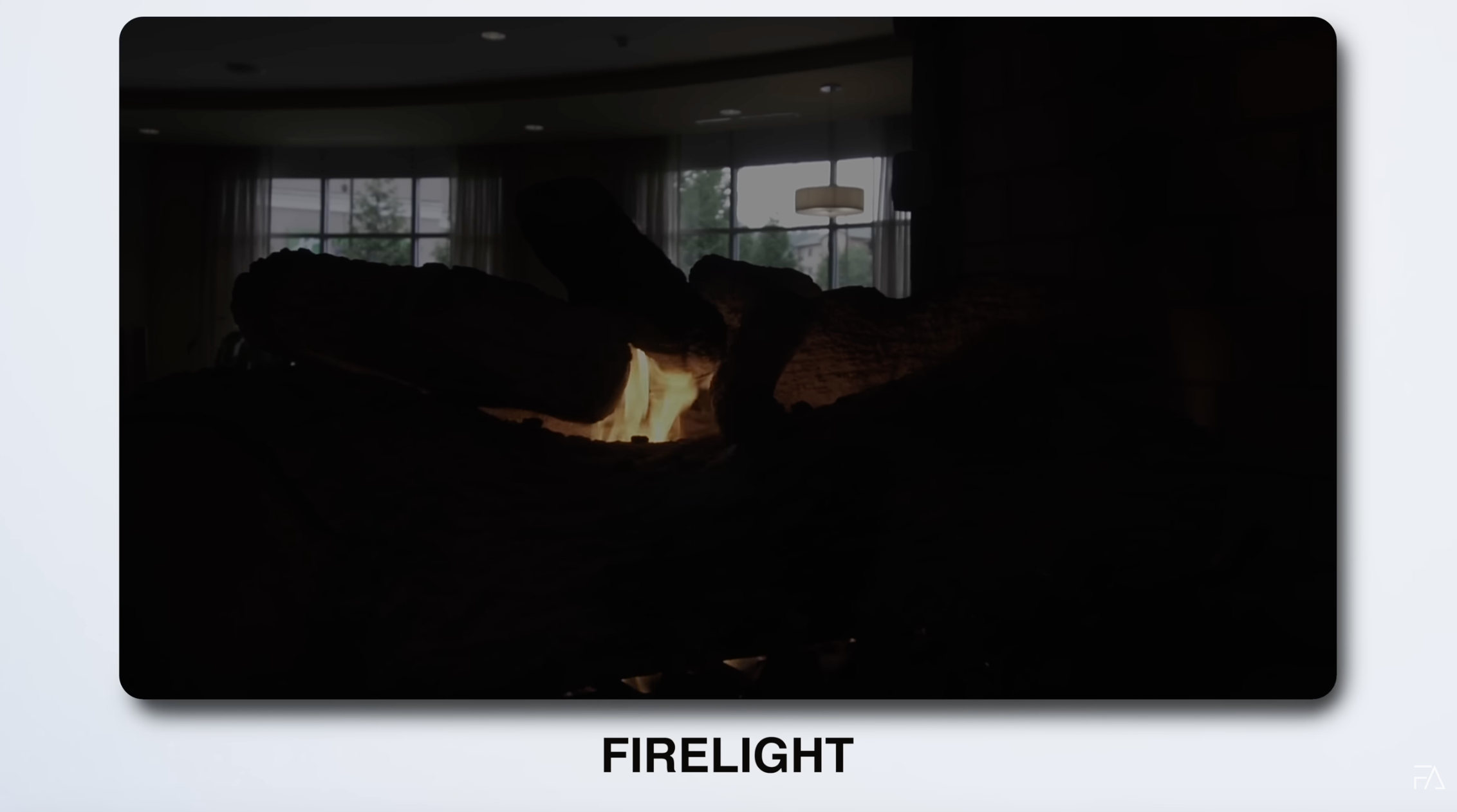
For an APS-C camera, the a6400 handles low light pretty well. It’s not going to compete with full-frame cameras, but if you expose properly and use a fast lens, you can still get great results. In my experience, the sweet spot is between ISO 800 and 1600. Within that range, the image stays relatively clean, and the noise doesn’t become distracting.
One technique I like to use is slightly underexposing the image by about half a stop to protect highlights, especially when dealing with street lights or bright sources at night. This helps prevent blown-out areas and keeps more detail in your image. Once you start pushing beyond ISO 3200, that’s when noise becomes more noticeable and the image starts to lose some detail, but within that lower range, it performs really well.
Practical Usability
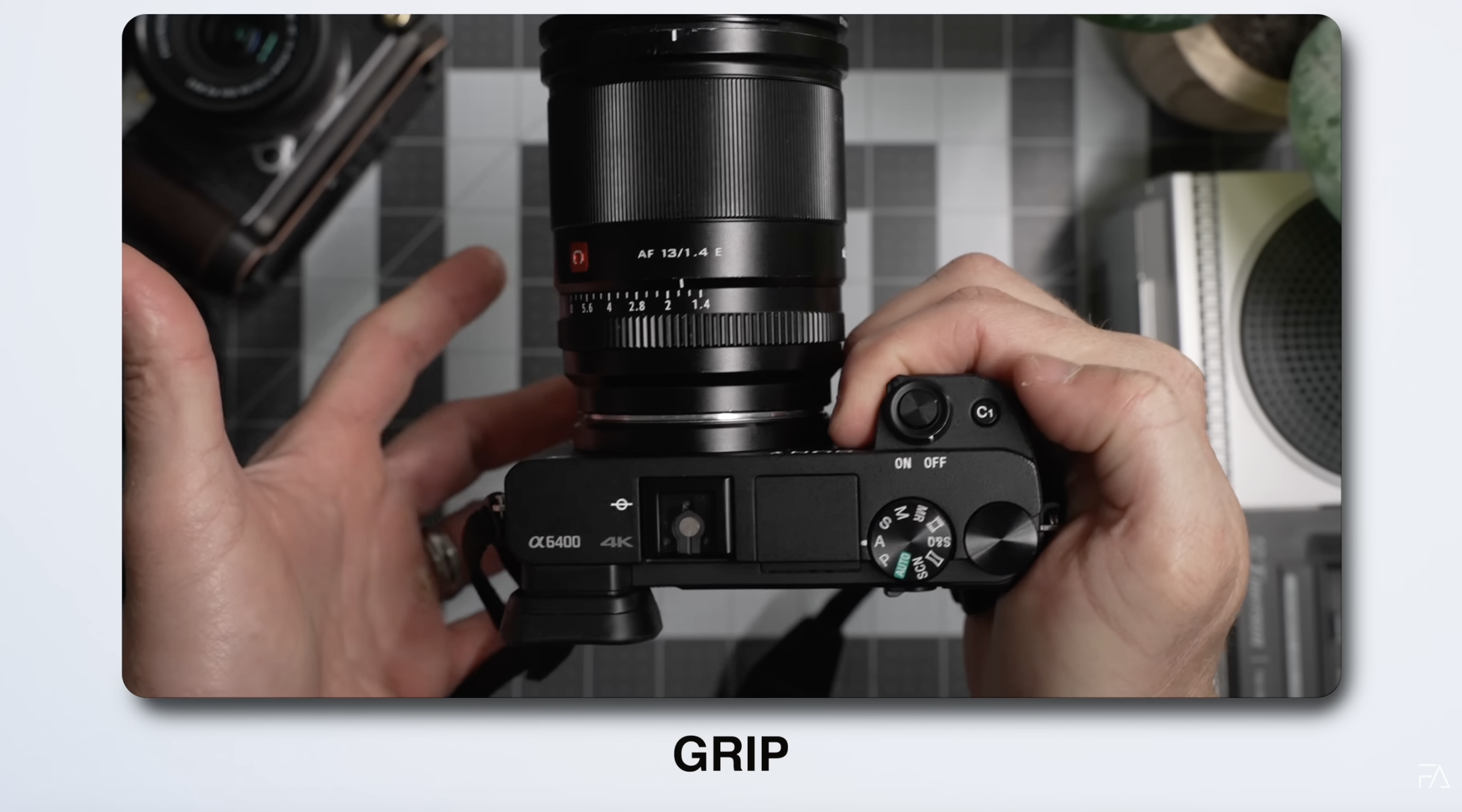
The a6400 is just an easy camera to live with. It’s small enough to carry around all day, and even with a slightly larger lens attached, it still feels manageable. The grip is comfortable, the controls are easy to reach, and it doesn’t feel overly complicated, which is why a lot of beginners gravitate toward it.
The flip-up screen is a huge advantage for YouTubers and solo shooters because it makes framing yourself simple. The screen itself isn’t the highest resolution, but it’s bright enough for most situations. The menu system is a bit older and can feel cluttered at first, but once you customize your settings and set up your quick menu, it becomes much easier to use. You also get a solid set of ports, including a microphone input, HDMI, USB, and a single SD card slot. Battery life is decent, and overheating generally isn’t an issue unless you’re really pushing the camera hard for extended periods.
Who This Camera Is For
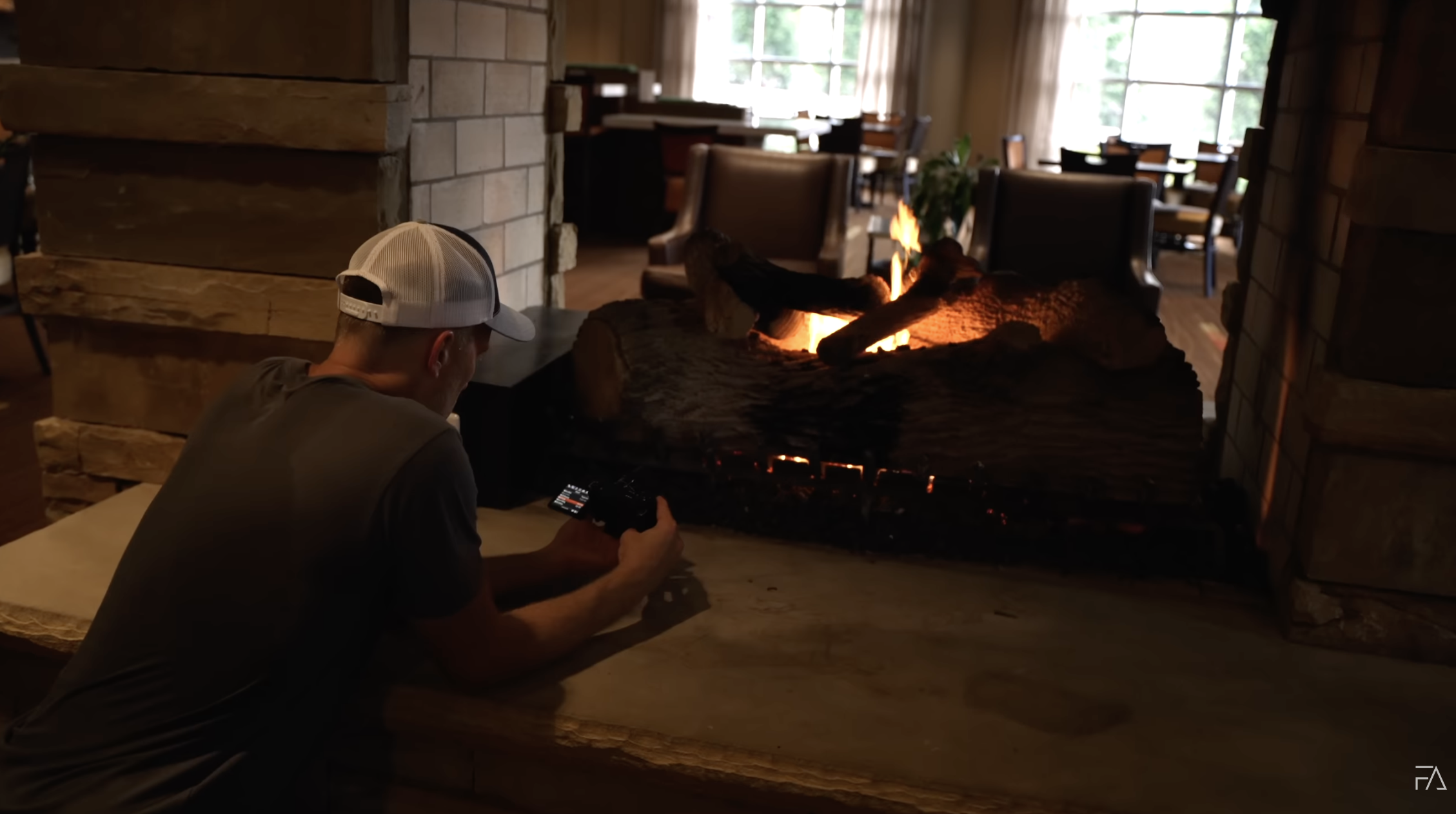
The Sony a6400 works for a wide range of people, which is part of what makes it such a strong option. It’s great for beginners who are just getting into photography or video because it’s simple enough to learn on while still offering room to grow. It’s also a solid choice for YouTubers, especially those shooting talking head content, since the flip-up screen and reliable autofocus make the process much easier.
Travel creators will appreciate how compact and lightweight it is, making it easy to carry around without feeling weighed down. Hybrid shooters who want to do both photo and video will also get a lot out of it since it handles both well. And if you’re already using Sony cameras, it works great as a B-cam because the colors match up pretty easily with other Sony bodies.
Who This Camera Is NOT For
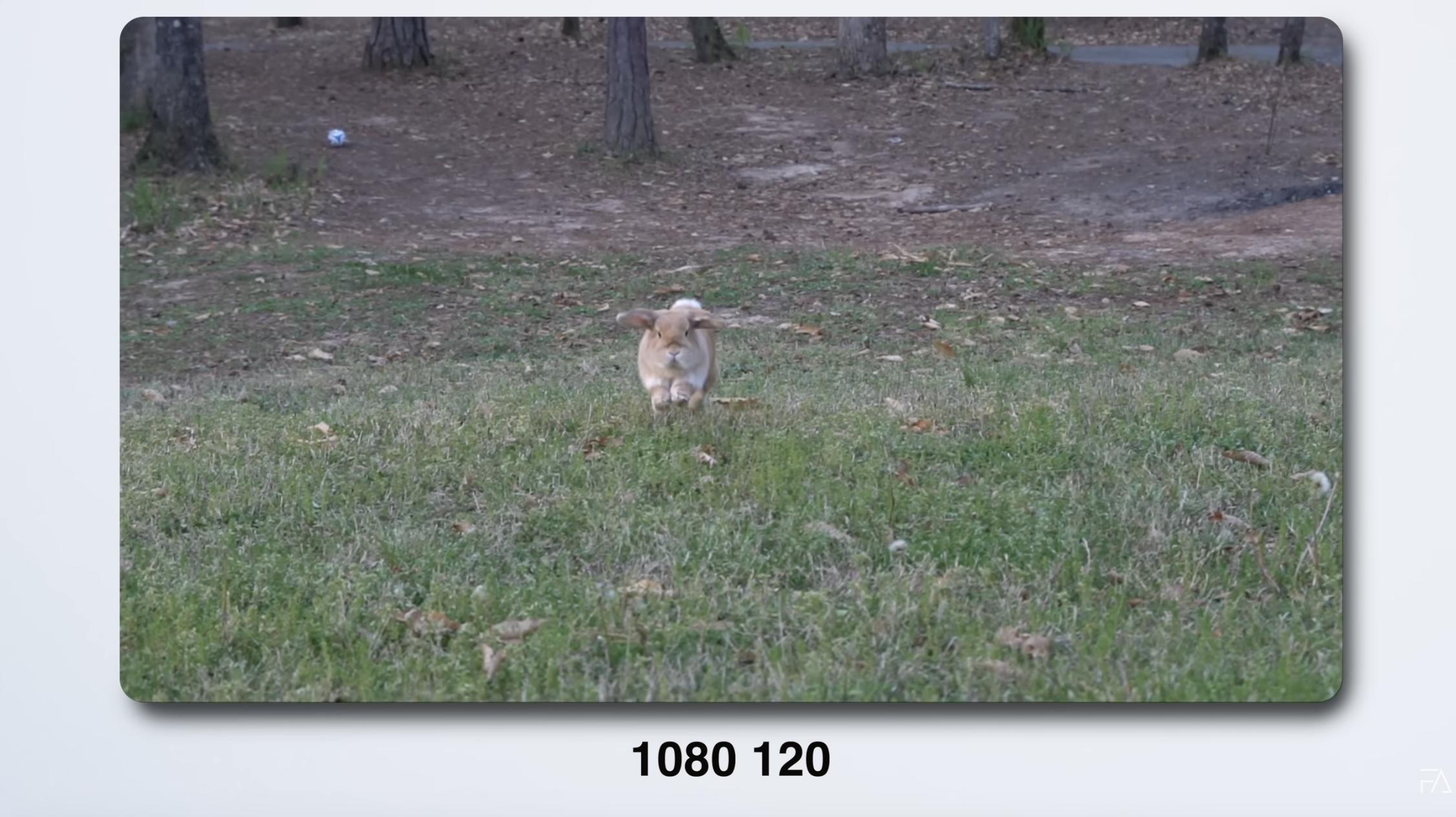
At the same time, the a6400 isn’t going to be the perfect camera for everyone. If you rely heavily on slow motion, this camera might feel a bit limited compared to newer options. It can shoot higher frame rates in 1080p, but it doesn’t compete with some of the more advanced slow-motion features available today.
It’s also not ideal for long, demanding livestream setups since the compact body doesn’t have active cooling, which could lead to overheating in certain conditions. And if you’re working on high-end productions that require advanced codecs, higher dynamic range, or more professional features, you’ll likely want to step up to something more powerful.

Conclusion
Overall, the Sony a6400 is still a very capable camera, even years after its release. It delivers strong image quality, reliable autofocus, and a compact form factor that makes it easy to use in almost any situation. It’s not perfect, and it definitely has some limitations, but for the price, it offers an incredible amount of value.
If you’re looking for a camera that’s affordable, easy to use, and capable of producing great photos and videos, the a6400 is still one of the best options out there. It proves that you don’t need the most expensive gear to create high-quality content. What matters more is understanding how to use what you have and building a setup that works for you.
I’m Joe with The Film Alliance… and I’ll catch you in the next one.
Author