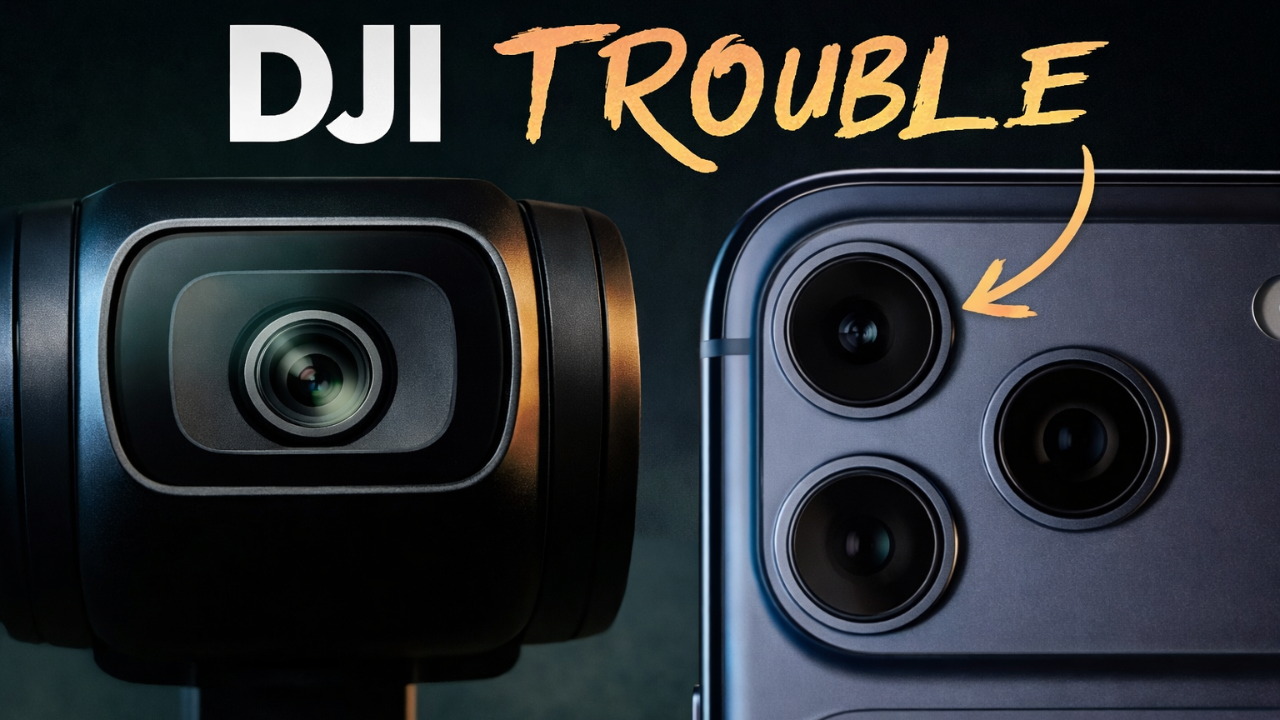
The Best Vlogging Tool of 2026: Why I Might Finally Ditch My Dedicated Camera for the iPhone 17 Pro (Or Not)
Feb 11, 2026Get the full story watching the video above ⬆️
Purchase:
iPhone 17 Pro (affiliate) - https://geni.us/zrzT
Osmo Pocket 3 - https://geni.us/4KVd
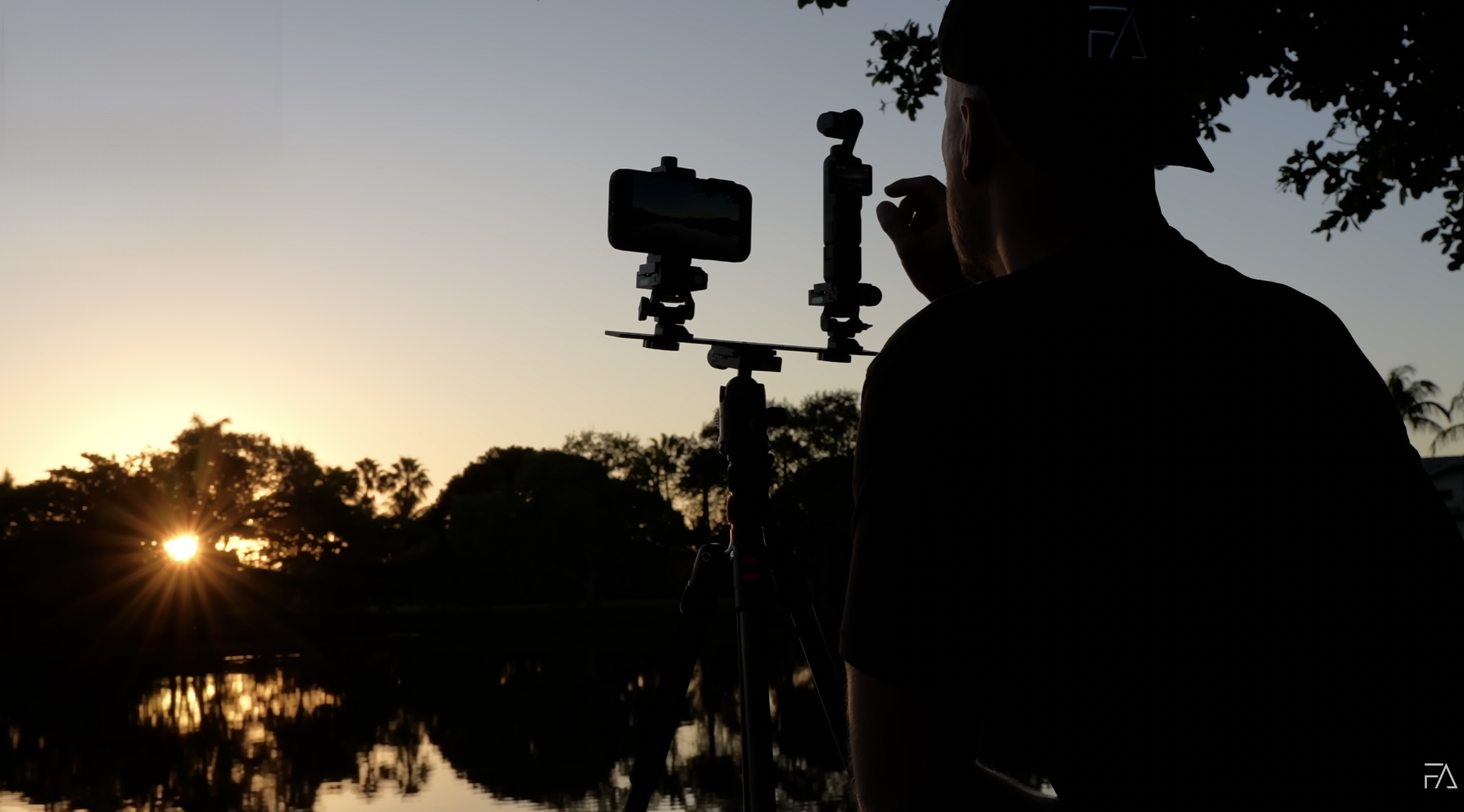
Introduction: The Eternal Search for "Frictionless" Content
As a creator who has spent the last decade lugging heavy gimbals, swapping SD cards in the rain, and nursing overheating mirrorless cameras, I’ve developed a chronic case of "gear fatigue." We all want that cinematic, high-end look, but the emotional reality is that sometimes the friction of the gear kills the story before I even press record. I want to live in the moment, not just document it through a tangle of cables.
In 2026, the quest for the Best Vlogging Phone 2026 has reached a fever pitch. We find ourselves at a fascinating crossroads between the iPhone 17 Pro and the DJI Osmo Pocket 4. On one hand, you have the ultimate convergent device—a phone that is now a legitimate cinema camera. On the other, a purpose-built mechanical specialist that refuses to be made redundant. Can a smartphone finally replace a dedicated gimbal camera, or is the "specialist" still king?
The Battle of Sensor vs. Silicon: Why Size Isn't Everything Anymore
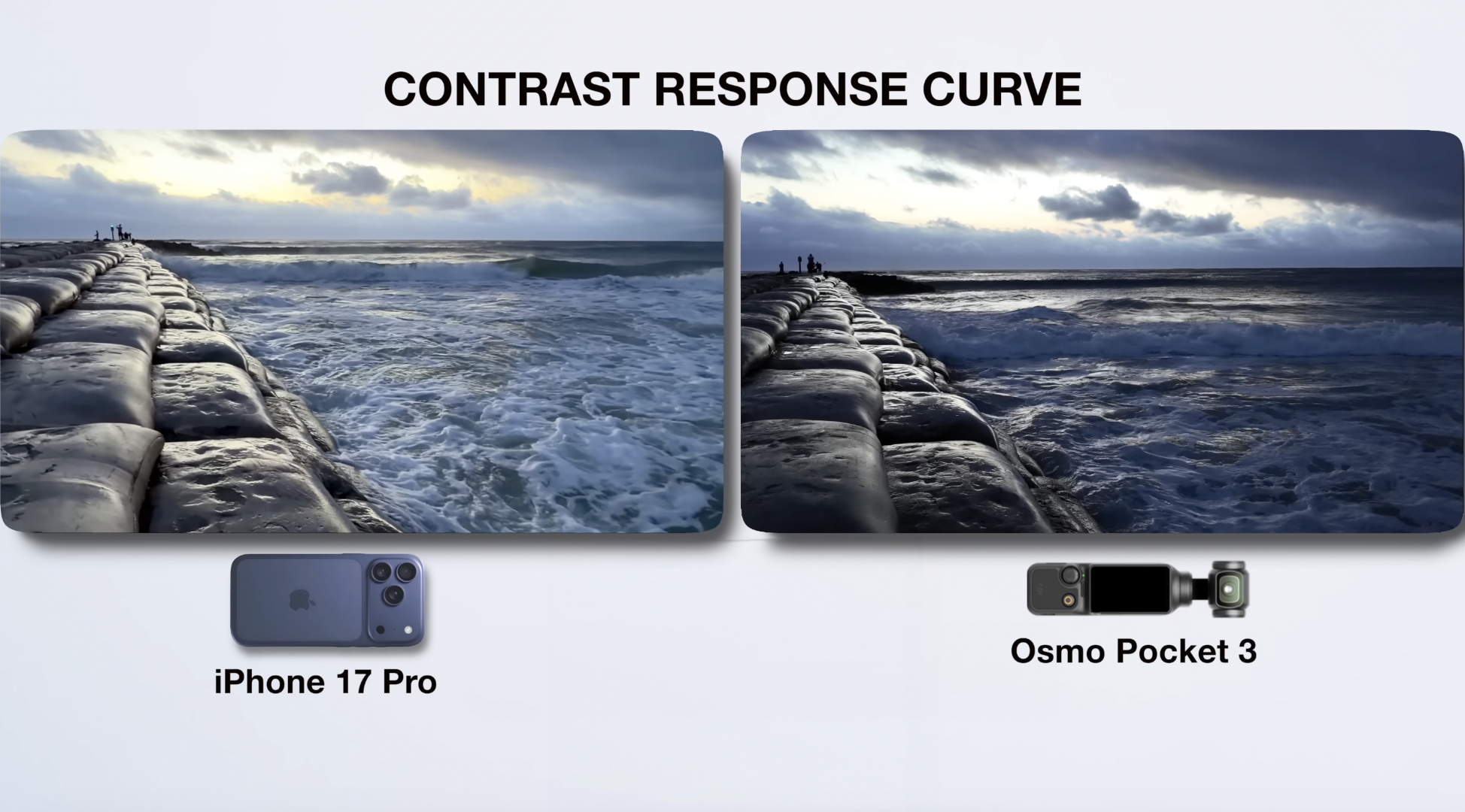
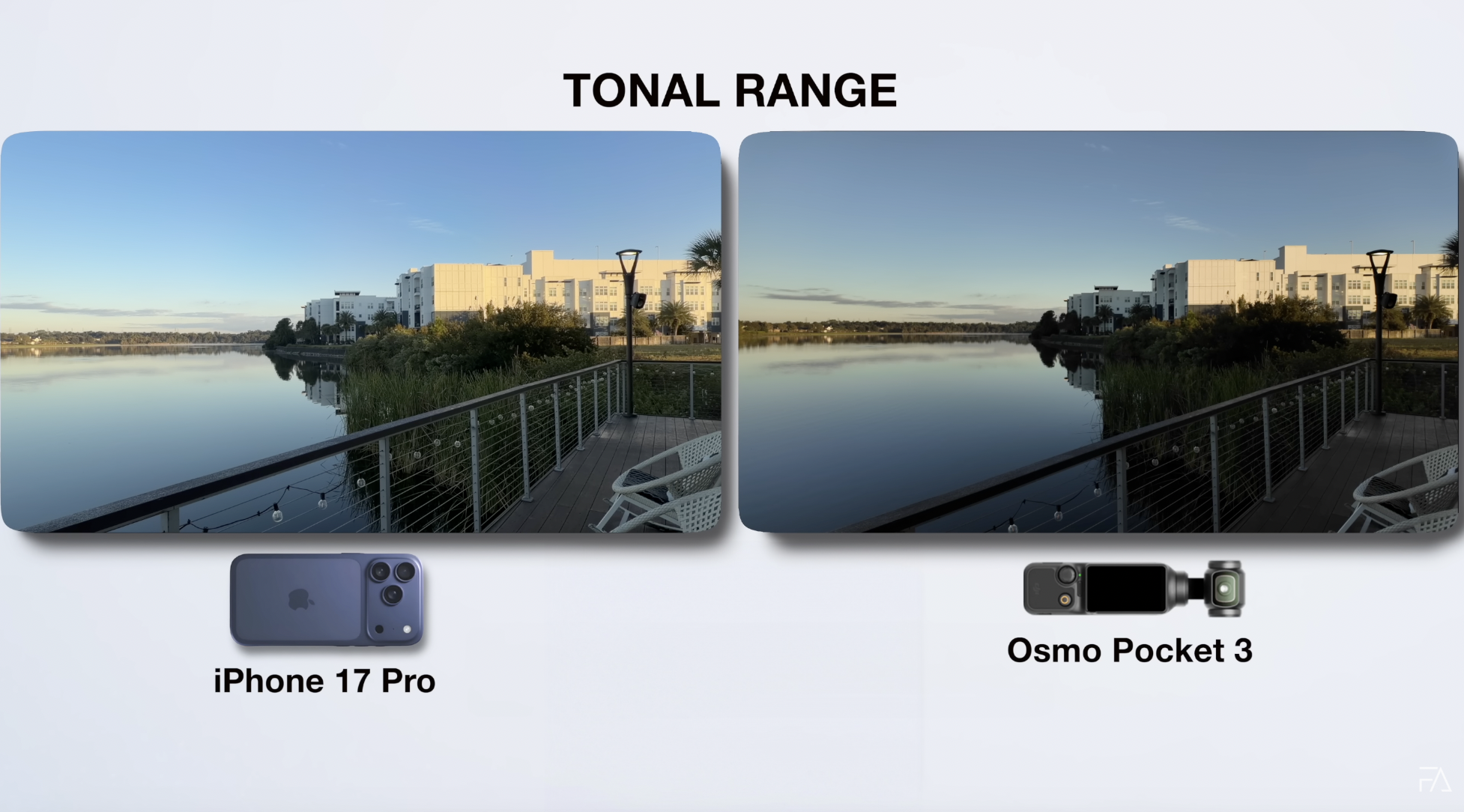
The fundamental hardware gap remains, but the bridge is narrowing. The DJI Osmo Pocket 4 relies on its 1-inch type sensor—a physical giant compared to smartphone optics—which now pushes a staggering 6K/60fps. This larger surface area provides superior native dynamic range and a genuine, shallow depth of field.
However, the iPhone 17 Pro fights back with the A19 Pro chip and a revamped 48MP "Tetraprism" telephoto system. While the DJI is limited to a 2x digital crop, the iPhone’s new 48MP sensor allows for a sensor-cropped, optical-quality 8x zoom. This is a massive advantage for capturing B-roll from a distance that the DJI simply cannot match. By leveraging LiDAR and the Neural Accelerators in its 6-core GPU, the iPhone 17 Pro also delivers "Cinematic Mode" and "Night Mode" video that mimics large-sensor aesthetics with shocking accuracy.
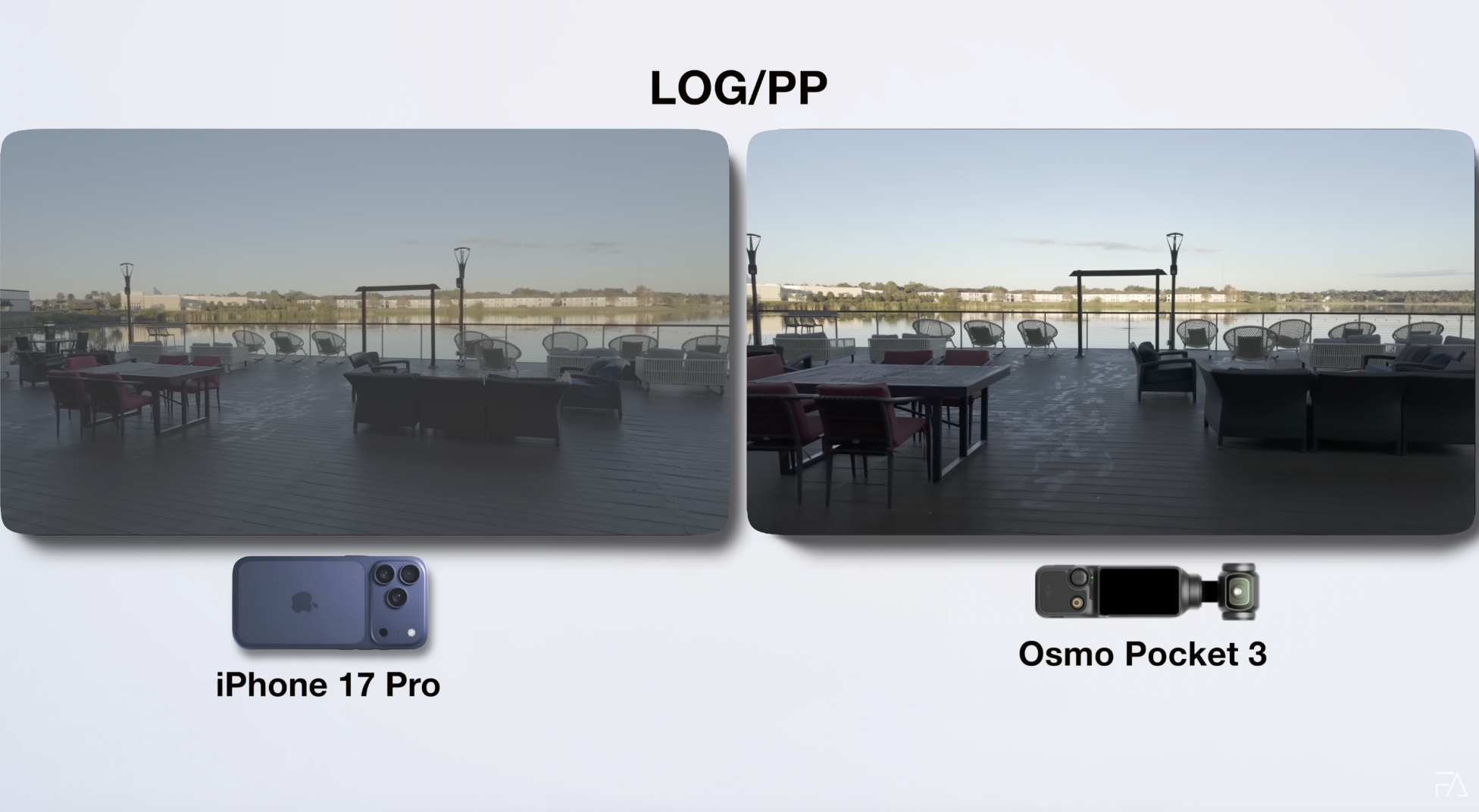
The transition to Apple Log 2 and ProRes RAW HQ has become the great equalizer for colorists, but it comes with a massive "consultant’s warning." Shooting in ProRes RAW HQ consumes a staggering 95GB every 10 minutes. If you’re going this route, the internal storage won't cut it; you’ll need an external SSD like the Lexar SL500 just to keep the "Record" button active.
While the iPhone uses heavy computational processing, the DJI offers a "purity of purpose." As the specialist tool in this fight:
"The DJI Osmo Pocket 4 is the purity of purpose champion, a tool that reminds us that for the highest echelon of image quality and stability, dedicated hardware still reigns supreme."
The Thermal Revolution: Aluminum is the New Titanium
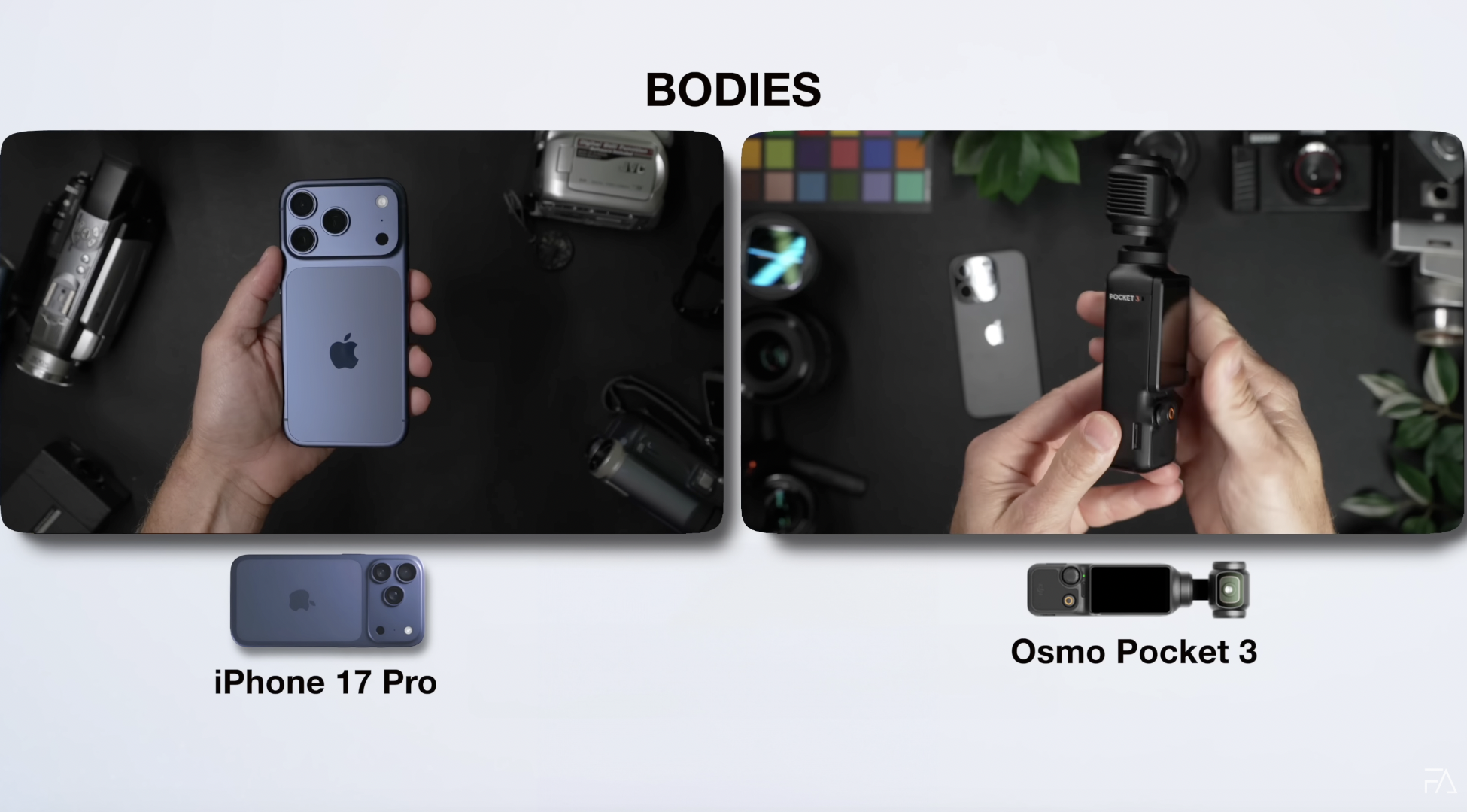
One of the most surprising shifts in 2026 is Apple’s move away from titanium to an aluminum unibody frame in colors like "Cosmic Orange" and "Deep Blue." More importantly, they’ve introduced a vapor chamber cooling system. This isn't just marketing; it’s a necessary fix for the A19 Pro’s power.
In a grueling stress test in 93-degree Texas heat, the precision of this new thermal design was put to the test. While the titanium iPhone 16 Pro dimmed its screen at the 3 minute and 12 second mark, the iPhone 17 Pro held its maximum brightness until exactly 4 minutes and 5 seconds. During a 4K/24fps ProRes test, the iPhone 17 Pro managed to outlast even the Sony A7SIII, which hit an overheat warning at 30 minutes and died just after the iPhone crossed the 40-minute mark. For outdoor vloggers, this thermal efficiency is the most underrated feature of 2026, as it prevents the dreaded screen-dimming that makes filming in direct sunlight a guessing game.
Stabilization: Mechanical Purity vs. Digital Convenience
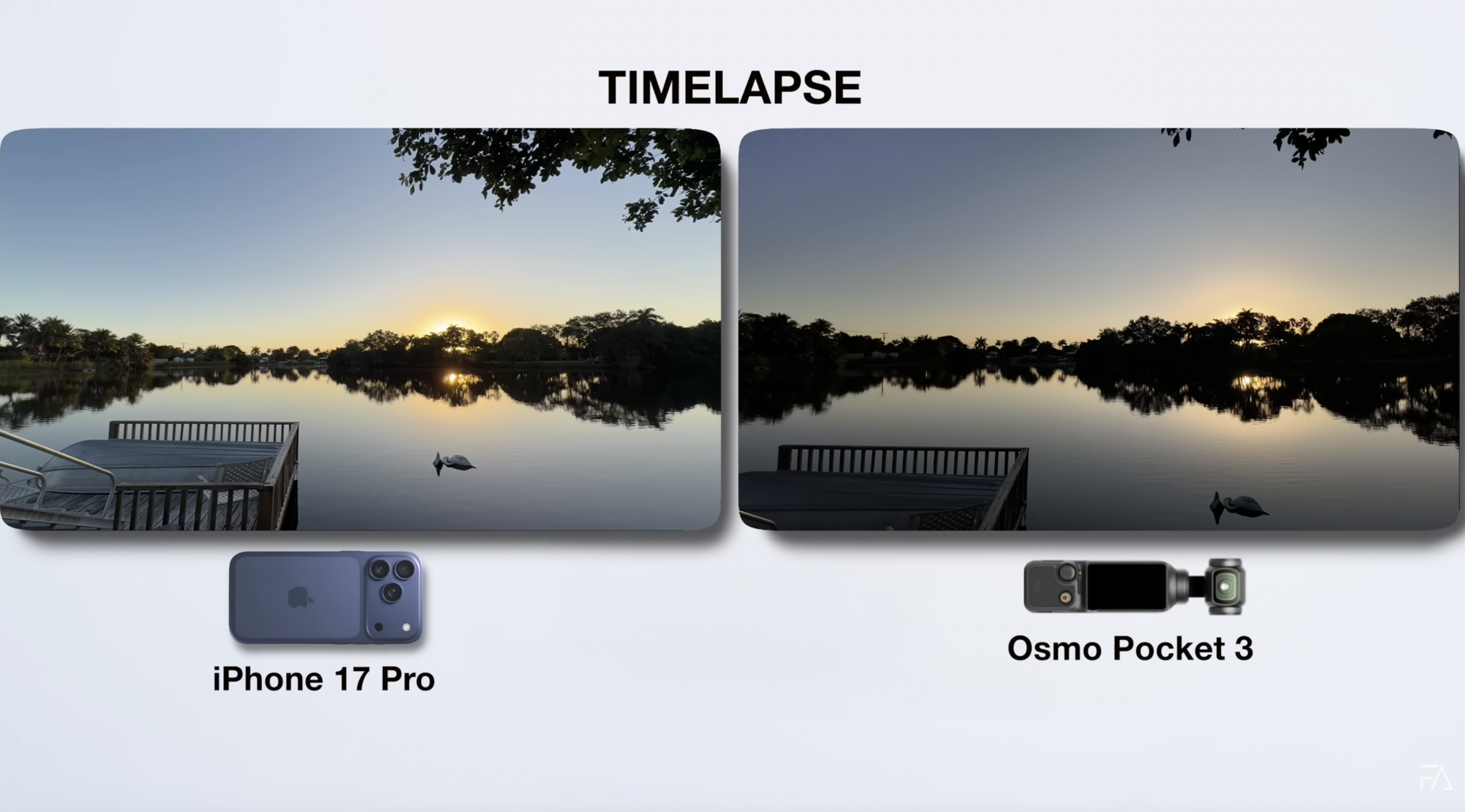
The Low-Light Trap The DJI Osmo Pocket 4 features a 3-axis mechanical gimbal that physically counters movement. The iPhone 17 Pro counters with "Action Mode 2.0," which combines sensor-shift OIS and digital cropping. In broad daylight, the difference is negligible. However, the "low-light trap" reveals the truth.
Digital stabilization requires high shutter speeds to keep individual frames sharp enough for software alignment. In the dark, the iPhone must either raise the shutter speed (creating noisy footage) or allow motion blur, which causes the digital stabilization to produce "warping" or "jitter" artifacts. Because the DJI’s stabilization is entirely mechanical, its motors remain rock solid regardless of light levels or shutter speeds.
The Square Sensor Hack: A Game-Changer for the Selfie Vlogger
The iPhone 17 Pro introduces an 18MP "Centre Stage" front camera with a technology that feels like a cheat code: the square sensor.
This allows the iPhone to capture horizontal (landscape) video while you hold the phone vertically. For the "lifestyle" vlogger, this is a psychological win. Holding a phone vertically is more natural and significantly reduces the "social anxiety" of vlogging in public. To the outside world, it looks like you’re just on a FaceTime call rather than filming a production. This "conforming to how we naturally hold phones" makes the iPhone 17 Pro far more discreet than the "Jar Jar Binks-looking" DJI.
Workflow Friction: The Hidden Cost of Excellence
The "friction" of vlogging often comes down to what happens after you hit stop.
• The iPhone Ecosystem: Footage is immediately available for editing in CapCut or LumaFusion. With 5G and iCloud integration, the path from "shot" to "socials" is instantaneous.
• The DJI Workflow: You are tethered to the "SD card struggle"—transferring files via the DJI Mimo app or physically offloading cards.
Regarding this workflow, a Reddit user summarized the sentiment perfectly:
"The iPhone wins for me 10 times out of 10... The average everyday user isn’t transferring files off a microSD card and then importing footage into an editing program... They want everything self-contained." — VikingSamurai7
Audio Considerations The iPhone 17 Pro allows you to use AirPods Pro 2 as a wireless mic—a "good enough" solution that is always with you. However, as a professional, I find the iPhone's lack of a "mic connected" icon infuriating. You can record a whole set only to realize the mic wasn't active. Conversely, the DJI Osmo Pocket 4 integrates with the DJI Mic 2/3 system and provides a reassuring "green audio level" notification on-screen. For high-stakes shoots, that visual confirmation is worth the extra bulk.
Final Verdict: Who Are You in the Creator Economy?
The choice between these two powerhouses depends entirely on your creative identity.
• The Lifestyle Vlogger: You should choose the iPhone 17 Pro. If your content is spontaneous and requires an all-in-one efficiency, the iPhone is unbeatable. The 8x optical-quality zoom and square selfie sensor make it the most versatile tool Apple has ever released.
• The Cinematic Storyteller: You should choose the DJI Osmo Pocket 4. If you treat vlogging as a craft that demands 6K resolution, mechanical smoothness in the dark, and professional audio ports with dedicated notifications, the specialist remains superior.
Whether convergent devices will eventually kill the specialist tool remains to be seen, but for now, the iPhone 17 Pro has closed the gap enough to make the decision harder than ever.
Does your gear inspire you to create, or does it get in the way of the story you're trying to tell?
Author