
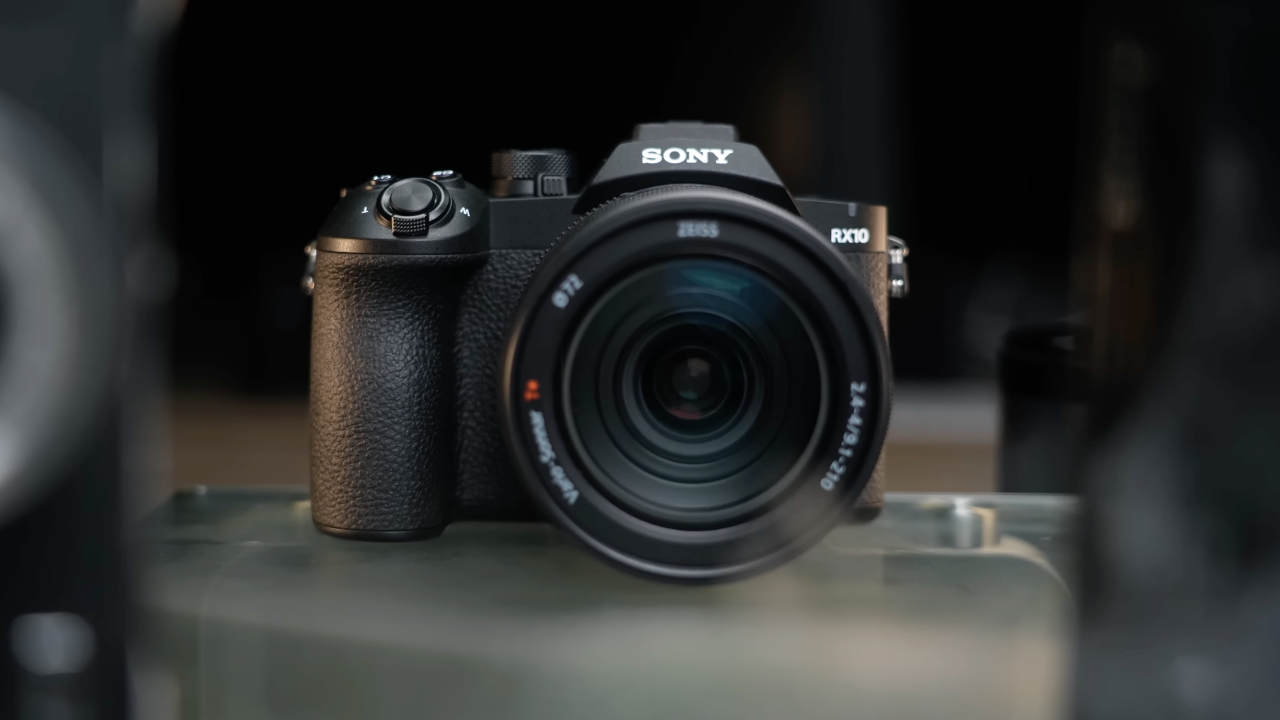
The Only Camera You Need in 2026- Sony RX10 V Review
Jul 27, 2026Get the full story watching the video above ⬆️
Purchase:
Sony RX10 V - https://geni.us/yDQz
I did not realize how badly I needed a camera like the Sony RX10 V until I actually spent time using it.
This is not the kind of camera that tries to be the absolute best at one specific thing. It is not trying to replace a full-frame cinema camera, a professional wildlife setup, or a dedicated vlogging camera.
Instead, the RX10 V is designed to reduce the need to carry several different cameras and lenses.
After using it for about 10 days, I began to understand the appeal. It gave me a 24-600mm equivalent zoom range, strong autofocus, useful stabilization, good photo and video quality, and a comfortable body that I could carry for long periods without constantly thinking about gear.
For parents filming soccer games, travelers, hobby wildlife photographers, bird watchers, or anyone who wants one camera that can handle almost everything, the Sony RX10 V makes a lot of sense.

The Sony RX10 V Is a True All-in-One Camera
Most interchangeable-lens cameras force me to make decisions before I leave the house.
Do I want a wide lens for landscapes and interiors? Do I need a telephoto lens for wildlife or sports? Should I carry a macro lens? Do I need a second camera body?
The RX10 V removes most of those decisions.
Its built-in ZEISS lens covers a 24-600mm equivalent focal range. That means I can capture a wide landscape at 24mm and then zoom in on a distant bird at 600mm without changing lenses.
That versatility became the biggest reason I enjoyed using the camera.
I did not have to stop, open a camera bag, remove one lens, attach another lens, and hope the moment was still there by the time I finished.
Everything I needed was already attached to the camera.
Who Is the Sony RX10 V For?
The simplest way I can describe the RX10 V is that it feels like a family camera.
I do not mean that as an insult.
This is the kind of camera I would recommend to parents who want something better than a phone for filming soccer games, school activities, vacations, wildlife, and everyday memories.
It also makes sense for hobbyists who want to explore bird photography, sports, nature, or travel without investing in several expensive lenses.
The RX10 V is especially useful for:
-
Parents filming outdoor sports
-
Travelers who want one camera
-
Hobby bird photographers
-
Wildlife shooters
-
People upgrading from a smartphone
-
Creators who need a long zoom range
-
Anyone who does not want to carry a heavy camera bag
It is not trying to become the king of every camera category. It is trying to be useful in as many real-world situations as possible.
24-600mm Lens Versatility
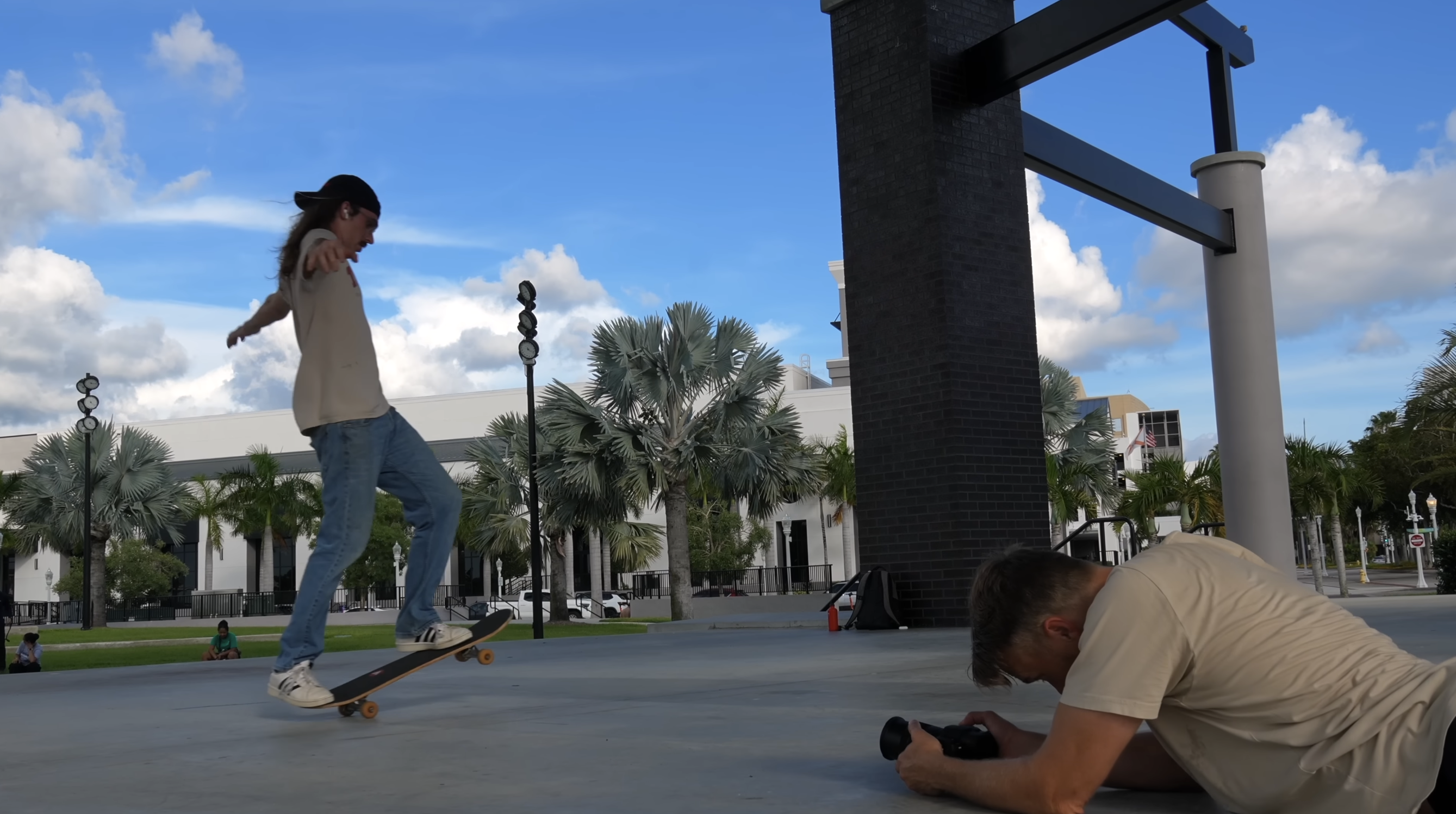
The built-in 24-600mm equivalent ZEISS lens is the main reason this camera stands out.
At 24mm, I can capture:
-
Landscapes
-
Buildings
-
Group photos
-
Travel scenes
-
Establishing shots
-
Everyday family moments
At 600mm, I can capture:
-
Birds
-
Wildlife
-
Soccer games
-
Distant details
-
Subjects I cannot physically approach
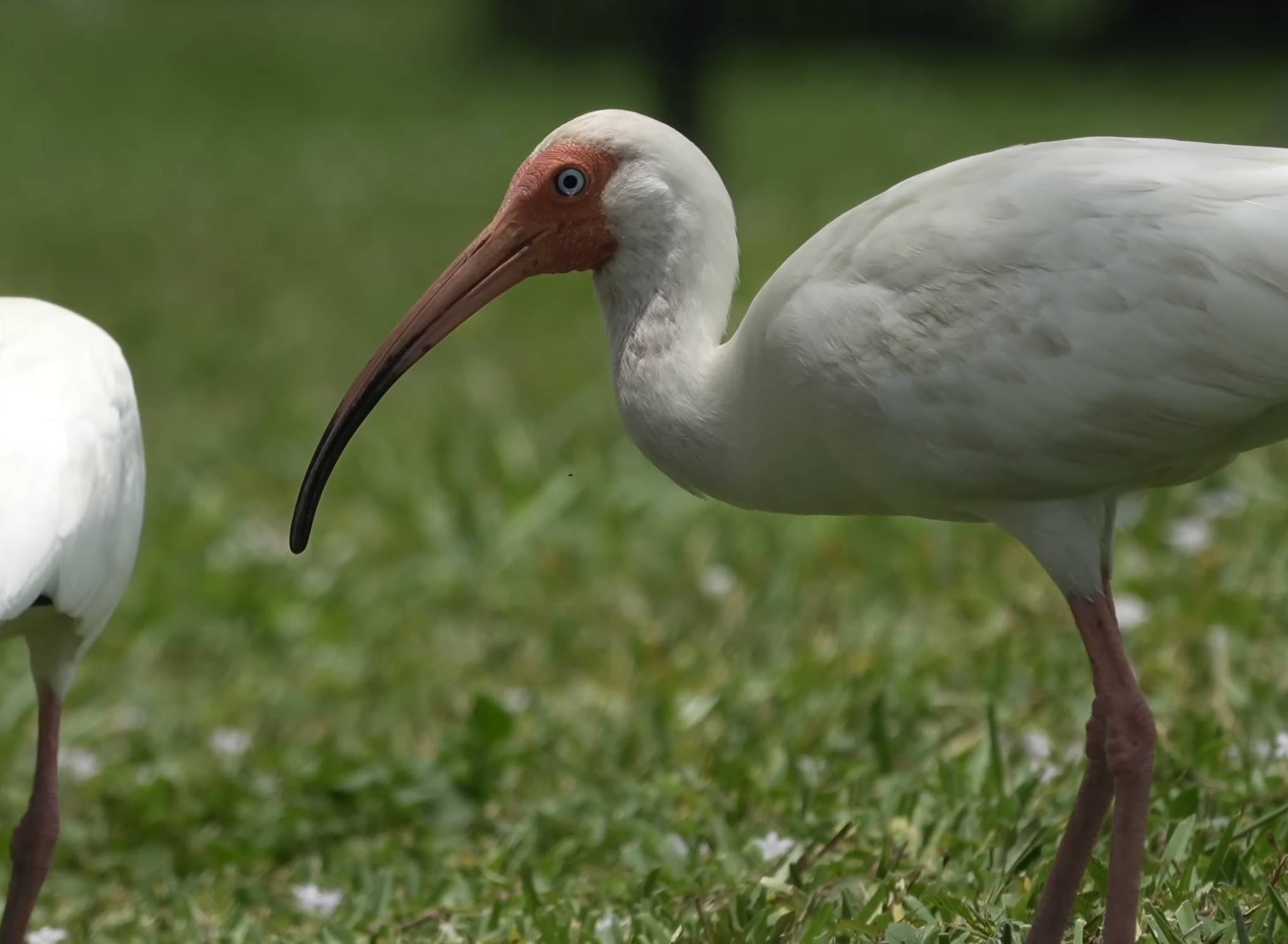
During my time with the camera, I photographed birds from around 40 feet away and zoomed in close enough to see meaningful detail.
Then I could turn around and immediately capture a wide shot without changing anything.
That experience made me realize how much a telephoto lens can change the way I look for photographs.
I started noticing distant subjects that I normally would have ignored because I did not have the correct lens with me.
A Camera That Encourages Creativity
The real value of the RX10 V is not only the focal range.
It removes barriers between me and the shot.
With a traditional interchangeable-lens setup, deciding to photograph wildlife can become a process. I may need the camera, a telephoto lens, extra batteries, a monopod, and a bag large enough to carry everything.
With the RX10 V, I can simply pick up the camera and begin shooting.
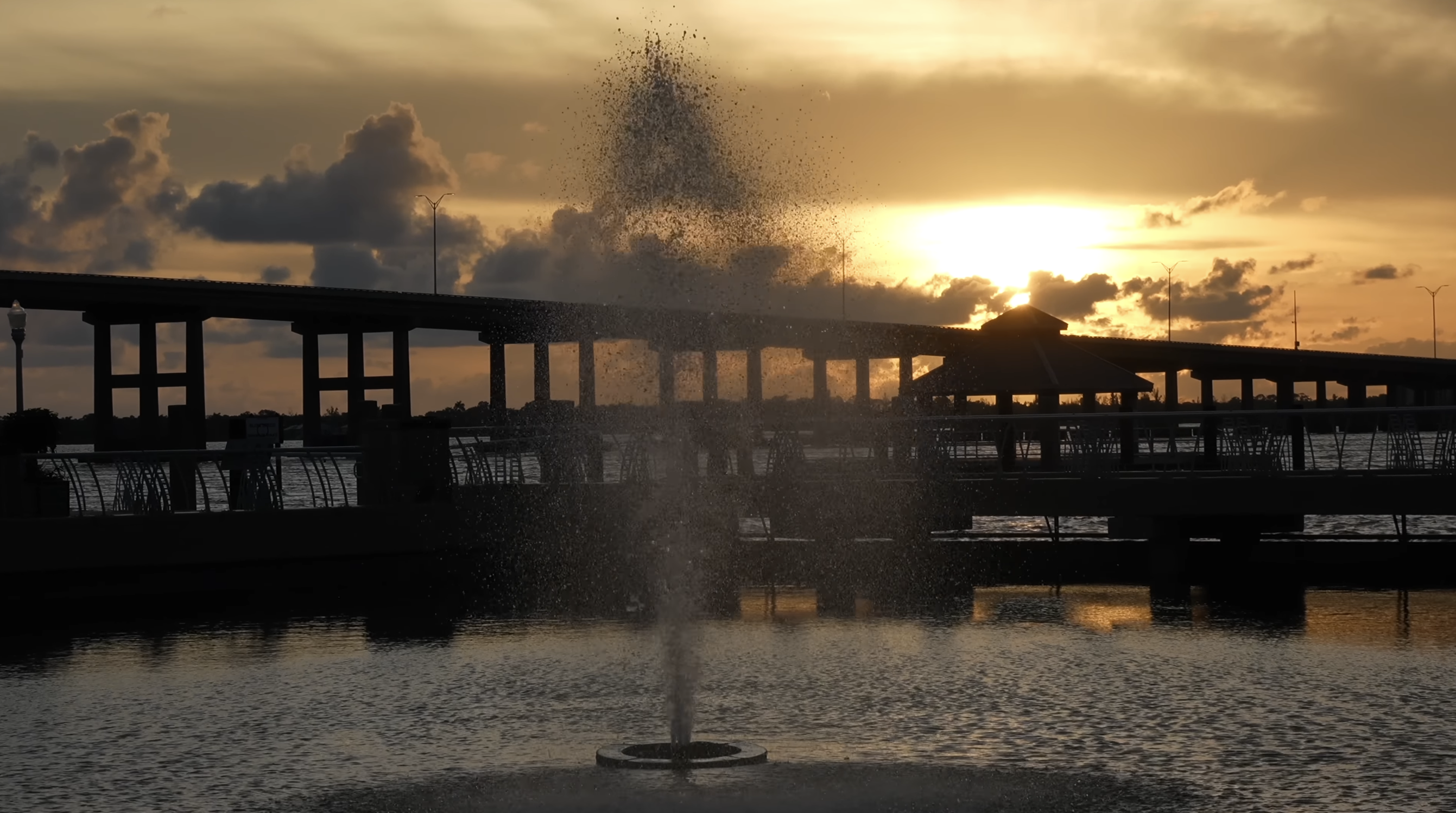
That convenience activated a different part of my creative brain. I started looking for distant birds, insects, sports moments, and small details that I normally would not think about capturing.
The camera made experimentation feel easier.
Video Quality
The RX10 V can record full-width 4K video at up to 60 frames per second.
It can also record 4K at up to 120 frames per second with a crop.
For creators who want to color grade, it supports 10-bit picture profiles and S-Log3.
I could shoot travel footage in the standard color profile, do very little color grading, and still get a result that looked noticeably better than typical smartphone footage.
The standard profile is useful for family videos, sports, travel, and situations where I do not want to spend time grading every clip.
S-Log3 gives me more control when I want to preserve highlight and shadow information or create a more stylized final look.
I would not necessarily use the RX10 V as my first choice for highly cinematic professional productions, but it is extremely capable for everyday video.
Image Quality and the One-Inch Sensor
The RX10 V uses a 20.1-megapixel, one-inch Exmor RS stacked CMOS sensor.
Some people will immediately point out that it is not full frame.
That is true.
A larger sensor can provide better low-light performance, more dynamic range, and greater control over background blur.
However, a one-inch sensor is part of what makes a 24-600mm lens possible in a reasonably portable body.
This camera is built around balance.
It sacrifices some of the image-quality potential of a larger sensor in exchange for reach, convenience, stabilization, and an all-in-one design.
In good lighting, the RX10 V can produce very strong images.
In extremely dark environments, the difference between this camera and a larger APS-C or full-frame camera becomes easier to see.
Low-Light Performance
The RX10 V is capable in low light, but I would not push it the same way I would push one of my larger Sony cameras.
When the light becomes extremely limited, I can see the difference in noise, shadow detail, and overall flexibility.
That does not make the camera bad in low light. It simply means I need to understand its limitations.
If I am in a very dark environment, I will either look for better lighting, adjust my composition, or avoid forcing the camera into a situation where it is unlikely to perform well.
Knowing how to use available light is often more important than owning the biggest sensor.

Autofocus Performance
Autofocus was one of the most impressive parts of my experience.
The camera has 575 phase-detection autofocus points, and I found that it locked onto birds effectively.
When a bird turned its head away and then looked back, the camera was often able to find the eye again and continue tracking.
That is extremely helpful when using a 600mm equivalent focal length.
At longer focal lengths, even small focus mistakes become easier to see. Strong subject detection makes wildlife photography much more approachable for beginners.
The autofocus also helped when photographing children playing soccer.
By increasing my shutter speed, I could freeze movement and capture action without fighting the camera’s focus system.
Stabilization
The RX10 V includes Active Stabilization, and it performed better than I expected.
When stabilization was turned off, the image looked noticeably shaky through the electronic viewfinder, especially at longer focal lengths.
As soon as I enabled stabilization, the image became dramatically steadier.
That helped with both video and photography.
At 600mm, small hand movements can create major movement in the frame. Stabilization makes it easier to compose a shot, follow a subject, and capture a usable photo.
I still filmed most of my footage handheld, and the stabilization made the long zoom range much easier to use
Handling and Grip
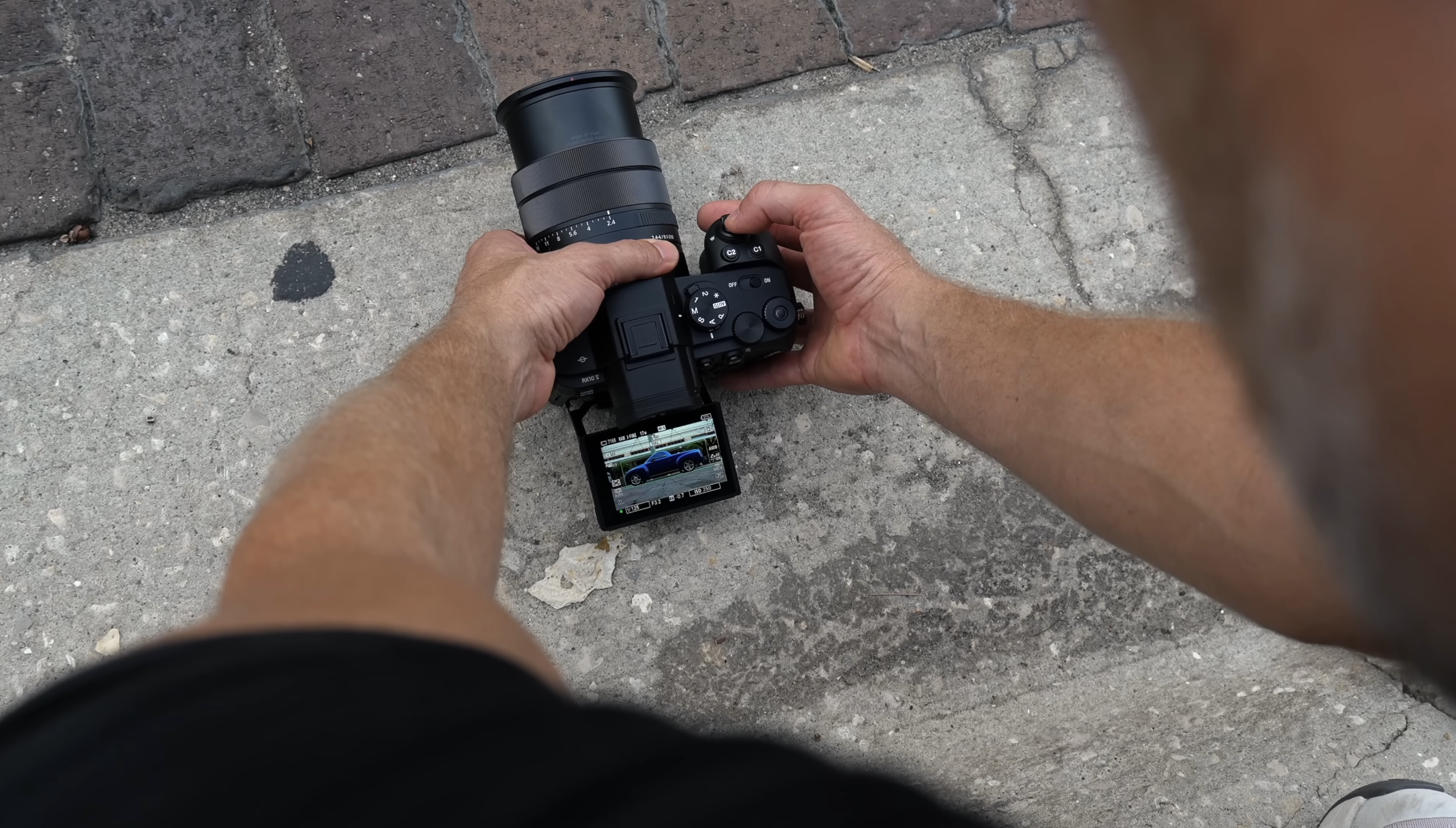
The camera has a deep, substantial grip.
I could carry it for long periods without feeling as though it were going to slip out of my hand.
That became especially important when I was walking outside in hot weather and my hands were sweaty.
The body is not tiny, but it feels secure.
For a camera with such a long built-in lens, I would rather have a larger grip than a smaller body that feels difficult to hold.
Menu System and Ease of Use
The RX10 V uses Sony’s newer menu system.
Anyone who has purchased a recent Sony camera should feel familiar with the layout.
I was able to pick it up and begin adjusting the settings without having to relearn the entire camera.
That helps support the main purpose of the RX10 V.
It is designed to be a camera that I can grab and use without spending too much time preparing or configuring equipment.
The Lens Fogging Issue
One of the strangest issues I experienced involved lens fogging.
When I moved the camera from an air-conditioned indoor environment into hot summer weather, the lens took approximately 30 minutes to clear.
I am used to lenses fogging when moving between temperatures, but most of my other lenses usually clear within five to 10 minutes.
The RX10 V took much longer.
I am not sure whether that was caused by the number of glass elements inside the lens or the specific environmental conditions, but it is something I would plan around.
If I knew I was going outside to shoot in hot, humid weather, I would place the camera outside or in a warmer transition area well before I intended to begin filming.
Missing a moment because the lens is fogged can be frustrating, especially when photographing wildlife or sports.

Battery Life
The RX10 V uses NP-FZ100 batteries.
I already own several of these batteries for my other Sony cameras, so being able to interchange them was extremely convenient.
During my testing, I got approximately two to two and a half hours of shooting from each battery.
Actual battery life will depend on how much video you record, how often you use the display or viewfinder, stabilization, autofocus, playback, and other settings.
For a normal day of shooting, I would carry at least one or two spare batteries.
Photography Experience
The RX10 V made photography feel fun and uncomplicated.
I do not regularly shoot wildlife because my current telephoto lens collection is limited. Using the RX10 V showed me how much I was missing.
The ability to move between 24mm and 600mm made it easy to photograph landscapes, birds, sports, insects, and distant details during the same outing.
I did not have to decide which type of photographer I wanted to be before leaving the house.
The camera allowed me to respond to whatever appeared in front of me.
Soccer and Sports Photography
The RX10 V is a strong option for parents who want to photograph or film field sports.
The 600mm reach allows me to stay on the sideline and still get close-looking shots of players on the opposite side of the field.
By raising the shutter speed, I was able to freeze movement and capture some useful soccer photos.
The autofocus made it easier to stay with moving subjects.
This is one of the strongest real-world reasons to choose this camera over a smartphone.
Phones can produce excellent wide and normal shots, but they still struggle to match the reach and optical flexibility of a true 600mm equivalent lens.
Is the RX10 V a Vlogging Camera?
I would not consider the RX10 V a true vlogging camera.
It does not have a fully articulating screen that flips forward, so I cannot easily see myself while filming from the front.
The camera can record vertically, which is useful for social media, but vertical recording works best when I am standing behind the camera.
For travel creators who primarily film scenery, wildlife, or other people, that may not matter.
For creators who regularly film themselves while holding the camera, the missing front-facing display is a major limitation.
Single Card Slot
The RX10 V does not have dual card slots.
That may be a negative for some users, but it did not bother me much.
I do not see this as the camera I would choose for high-end client work, weddings, or professional projects where an immediate backup is essential.
This is more of a grab-and-go camera for family, travel, wildlife, sports, and everyday creativity.
For those uses, one card slot is acceptable to me.
Professional users who require redundant recording should consider a different camera system.
Is the RX10 V Better Than a Smartphone?
For many types of shooting, the RX10 V can produce better results than a phone.
Its biggest advantages are:
-
True optical reach to 600mm
-
Better physical controls
-
An electronic viewfinder
-
Stronger subject tracking
-
More natural detail
-
S-Log3 recording
-
Better handling
-
More control over shutter speed and exposure
A phone remains easier to carry and share from, but it cannot replace the experience of using a stabilized 24-600mm optical lens.
For parents, travelers, and hobbyists who want better image quality without building an interchangeable-lens kit, the RX10 V fills an important gap.

Main Advantages
The biggest strengths of the Sony RX10 V are:
-
Extremely versatile 24-600mm lens
-
No need to change lenses
-
Strong autofocus
-
Effective stabilization
-
Comfortable grip
-
Useful 4K video modes
-
S-Log3 support
-
Good battery compatibility
-
Excellent reach for sports and wildlife
-
Better image quality than a phone in many situations
The camera makes it easier to react quickly and capture shots I might otherwise miss.
Main Disadvantages
The biggest limitations I experienced are:
-
No fully articulating front-facing screen
-
One-inch sensor limitations in very low light
-
No dual card slots
-
Long lens-defogging time in humid weather
-
Less depth-of-field control than larger-sensor cameras
-
Not my first choice for high-end professional work
None of these limitations ruined the experience, but they help define who the camera is for.
Who Should Buy the Sony RX10 V?
I think the RX10 V makes the most sense for someone who wants one camera that can handle many different subjects.
It is especially good for:
-
Parents filming children’s sports
-
Travelers who do not want to change lenses
-
Hobby wildlife photographers
-
Bird photographers
-
Families upgrading from a phone
-
Creators who need long reach
-
People who want both photo and video
-
Sony users who already own NP-FZ100 batteries
It is a camera for people who value convenience and range more than maximum sensor size.
Who Should Skip It?
The RX10 V may not be the right choice if you need:
-
Full-frame low-light performance
-
Extreme background blur
-
Interchangeable lenses
-
Dual card recording
-
A front-facing vlog screen
-
A compact pocket-sized body
-
A professional cinema-camera workflow
It does many things well, but it is still built around compromise.
Final Verdict
After spending time with the Sony RX10 V, I understand why this type of camera exists.
It is not trying to replace every specialized camera.
It is trying to replace the need to carry a specialized camera for every situation.
The 24-600mm lens allowed me to move from landscapes to birds, sports, travel shots, and distant details without opening a camera bag or changing lenses.
That convenience made me more creative because the camera was always ready for whatever I noticed.
The one-inch sensor has limitations, especially in low light, and the lack of a front-facing screen keeps it from being a true vlogging camera. It also is not the camera I would choose for high-end client work.
However, for families, parents, travelers, bird watchers, and hobby photographers, the RX10 V may be one of the most useful all-in-one cameras available.
It is the camera I would recommend to someone who wants better results than a smartphone without turning photography into a complicated collection of bodies, lenses, and accessories.
Author