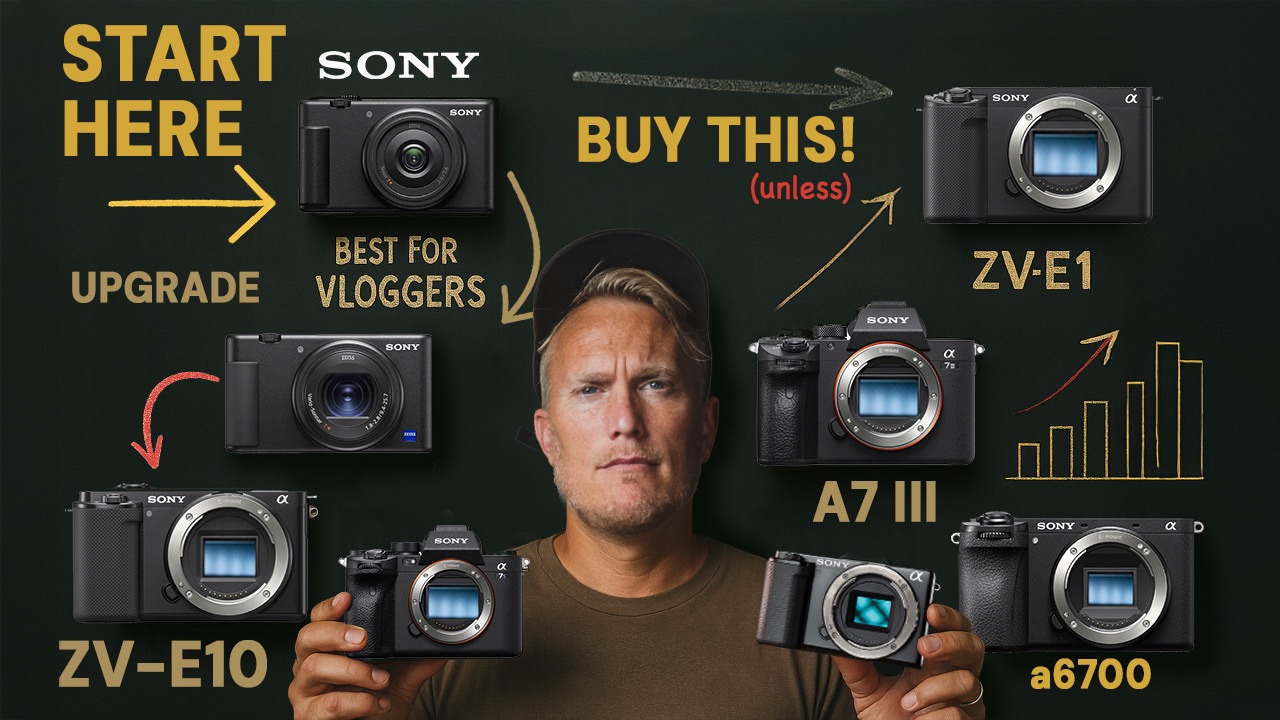
The Only Sony Cameras I Would Buy at ANY Budget
Feb 04, 2026Get the full story watching the video above ⬆️
Purchase these Sony cameras (affiliate)
$598 - https://geni.us/TH2A or https://geni.us/flUlo
$898 - https://geni.us/BwqkkZL or https://geni.us/W3JX7yq
$898 - https://geni.us/JxQKTky or https://geni.us/7WWIwu
$1,298 - https://geni.us/WbD54H8 or https://geni.us/qzFy
$1,598 - https://geni.us/E1dWZc or https://geni.us/kaNHAmf
$1,898 - https://geni.us/MJxoi2 or https://geni.us/pZivYx
$2,098 - https://geni.us/hhpAR or https://geni.us/XS1HR8
$2,498 - https://geni.us/9nFuV or https://geni.us/pz593T
$3,998 - https://geni.us/q6POi0N or https://geni.us/wqNnT
Cameras are expensive. That’s why it helps to know which ones are actually worth the money.
In this post, I’m breaking down the only Sony cameras I’d still buy in 2026, based on real-world use. I’ve either personally owned these cameras or tested them enough to know where they shine and where they fall short. Some of them are under $500. Some are closer to $3,500. But every single one still earns its place — especially when you factor in the used market.
I’ve also included links to free project files and custom LUTs for each camera, so you can get a feel for the footage and try out the looks yourself.
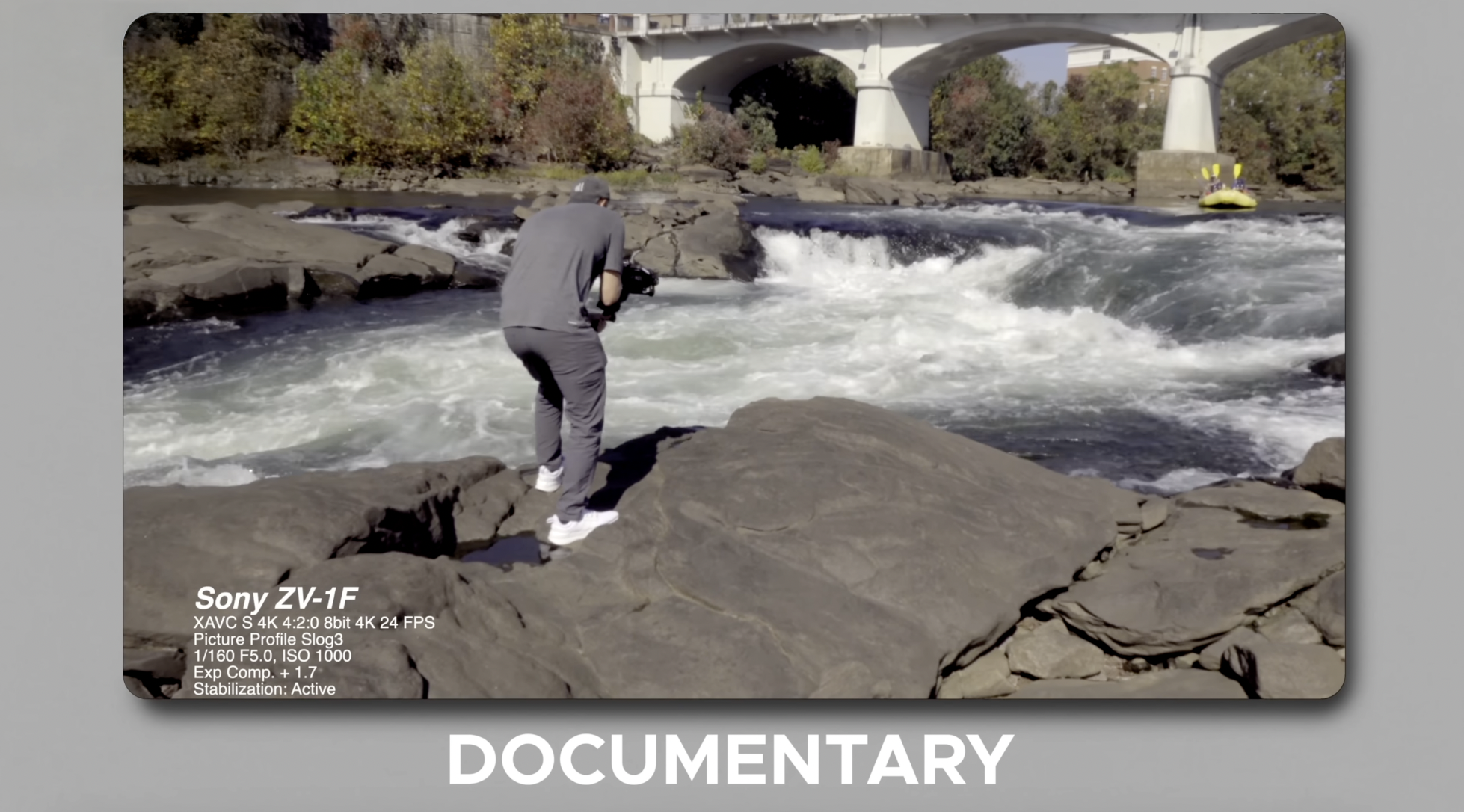
Sony ZV-1F — $498 New / $389 Used
The ZV-1F is ideal for anyone starting out in content creation, especially if you want something simple, compact, and affordable. Its fixed 20mm equivalent lens might seem limiting at first, but it's actually perfect for vlog-style, arms-length shooting. You don’t need to worry about zooms or switching lenses — just turn it on and go.
What it lacks in versatility, it makes up for in ease of use. The JPEG-only photo mode is best suited for creators who shoot for social media and don’t need heavy editing. The 4K video is sharp, uses the full sensor width, and looks great even with stabilization turned on. You won’t get phase detect autofocus here, so don’t expect lightning-fast focus changes, but for basic product shots and talking head content, it gets the job done.
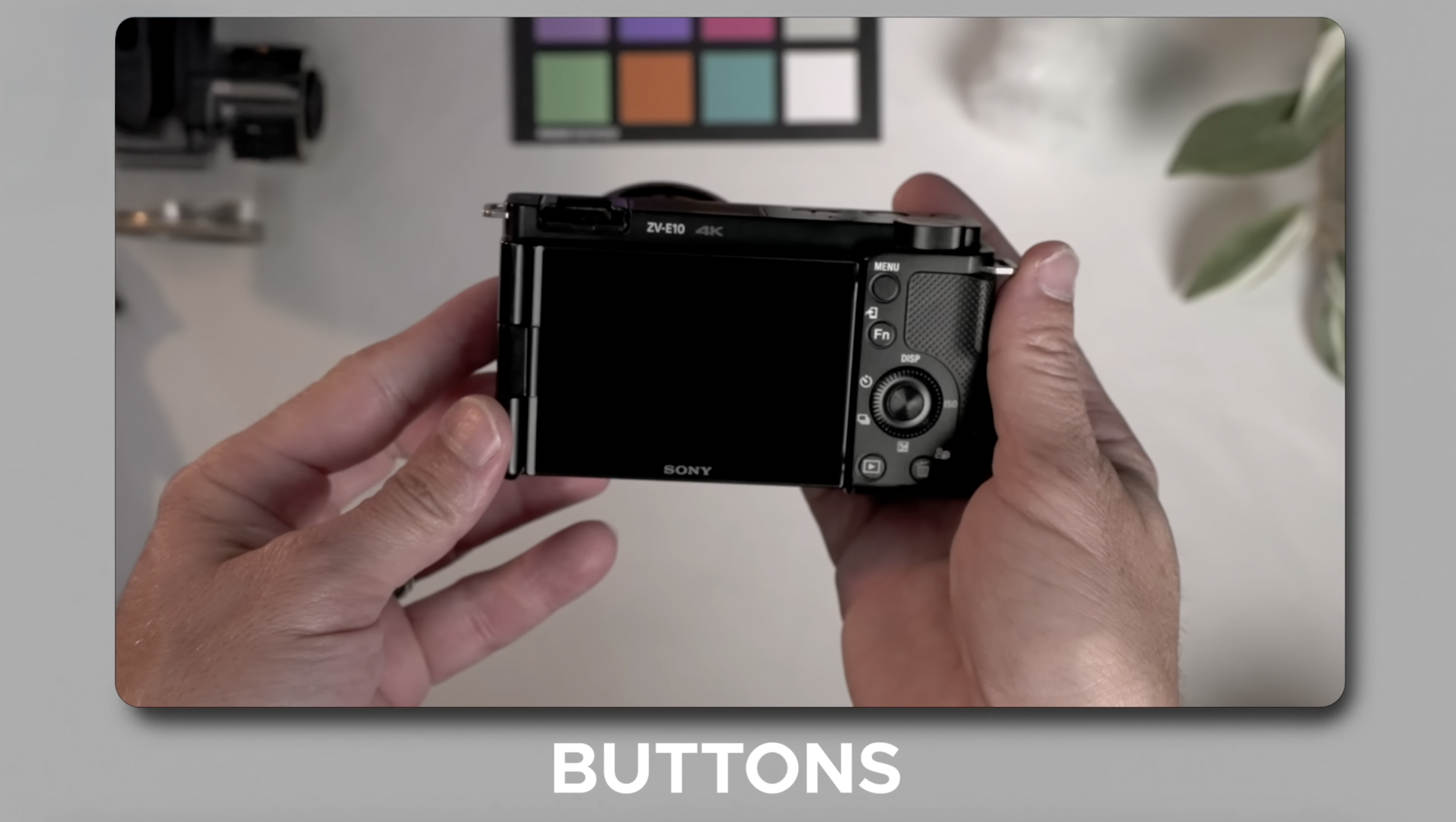
Sony ZV-E10 — $698 New / $520 Used
With the ZV-E10, you’re stepping into interchangeable lens territory. This camera gives you more creative flexibility, better low-light performance, and access to Sony’s large ecosystem of lenses. For a price under $700, you’re getting a 24MP APS-C sensor, Real-Time Eye AF, a flip-out screen, and solid audio with built-in directional mics.
The camera shoots 4K 24p without a crop, but does crop in at 30p and when stabilization is active. It’s not perfect — you’ll notice some rolling shutter with fast movement, and it lacks a traditional mode dial — but for livestreaming, tripod work, or handheld shooting with a wide lens, it performs great. This is one of the best value buys in Sony’s entire lineup, especially for creators who want room to grow without overspending.
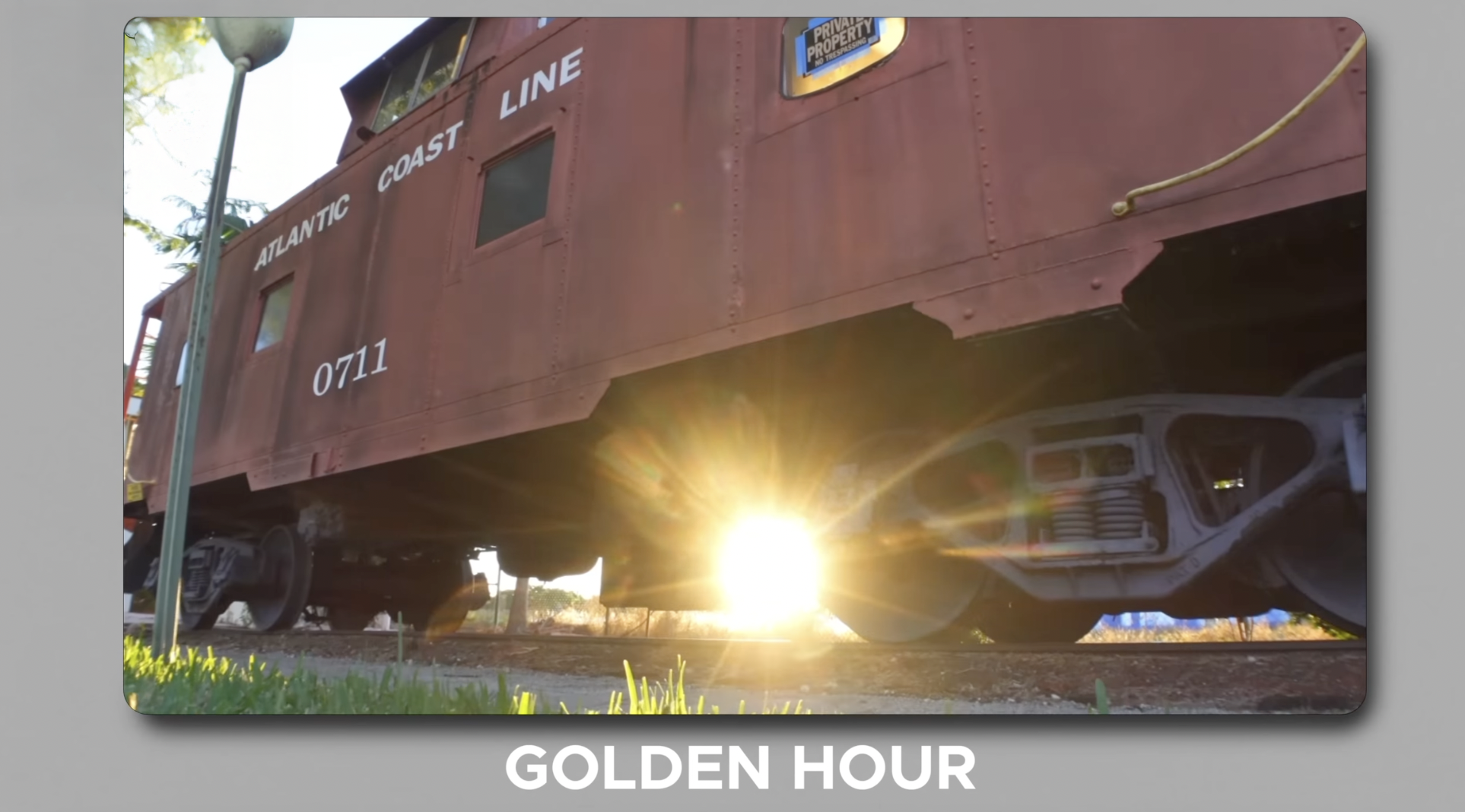
Sony ZV-1 — $748 New / $550 Used
The ZV-1 blends portability with quality. Its built-in 24–70mm f/1.8–2.8 lens is sharp and fast, making it ideal for run-and-gun shooting or simple product videos. Autofocus is snappy with reliable eye detection, and the flip screen plus directional mic make it a solid all-in-one choice for solo creators.
What sets the ZV-1 apart is how much power it packs into a genuinely pocketable body. It can shoot up to 960fps in slow motion, although you'll want good lighting for those shots. It’s not as flexible as an interchangeable lens camera, but if you want something that’s easy to carry and still produces great video, the ZV-1 is a tough one to beat.
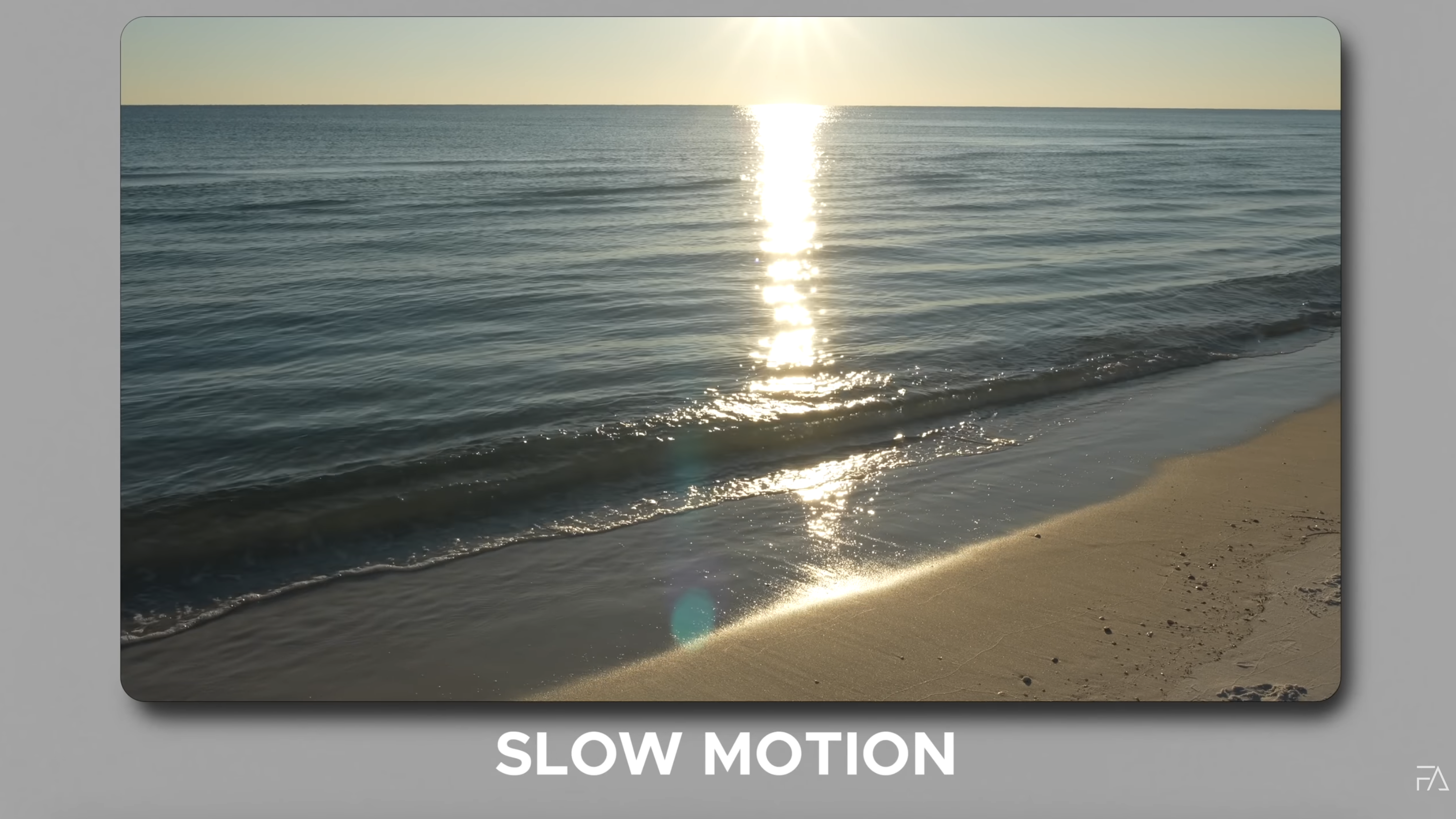
Sony ZV-E10 II — $998 New / $899 Used
The ZV-E10 II takes everything good about the original and adds serious upgrades. With a new 26MP sensor, faster autofocus, and 4K 60p recording, it’s built for creators who want more power without jumping into full-frame. Sony also upgraded the battery to the larger NP-FZ100, drastically improving runtime — which was one of the main complaints about the first version.
This version also includes S-Cinetone, giving you smooth, cinematic color straight out of camera. Add in better preamps for cleaner audio and sharper detail in 4K, and you’ve got a creator-focused camera that delivers well above its price. If you’re looking to invest in an APS-C system that’ll last a while, the ZV-E10 II is a smart buy.
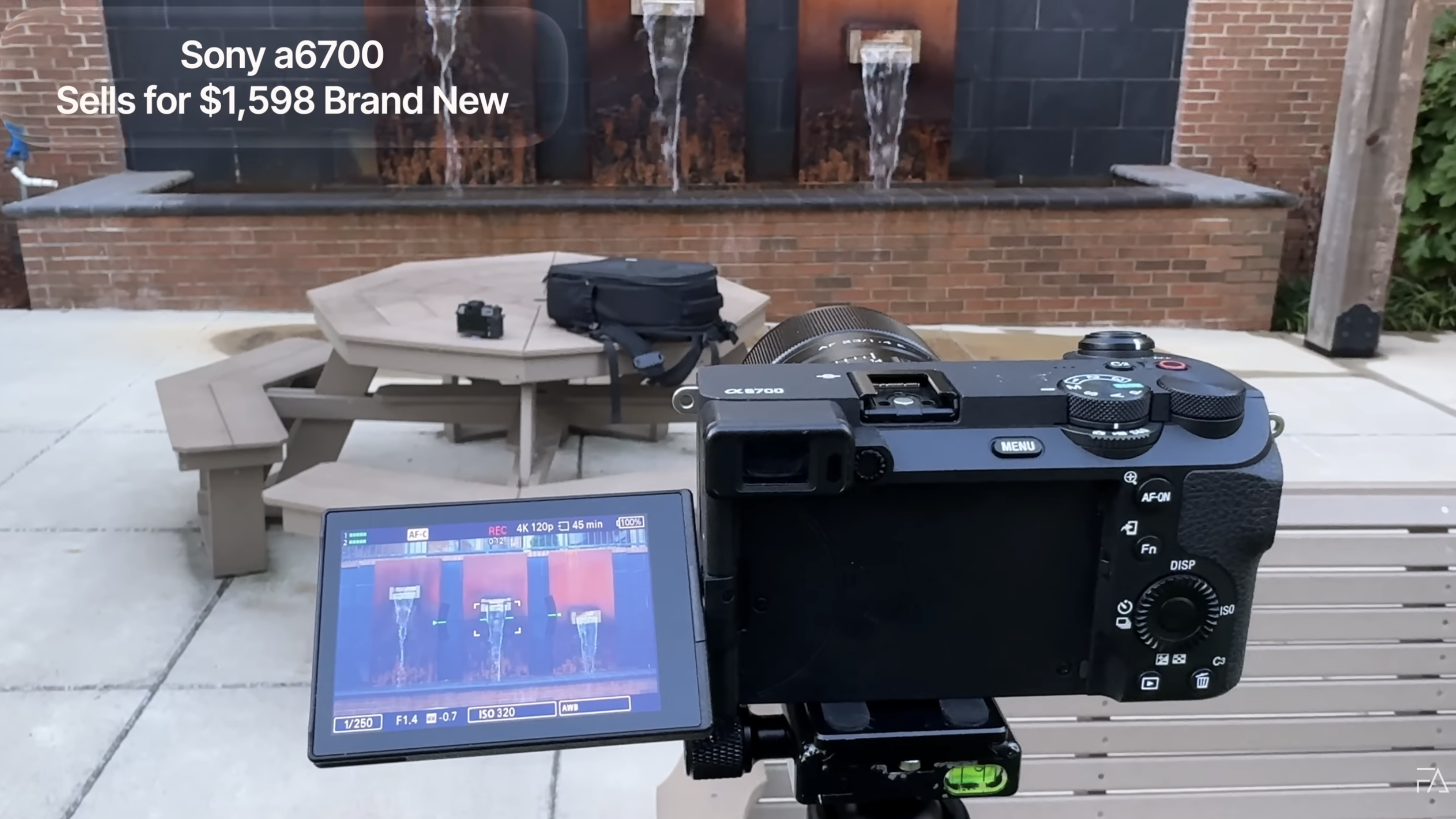
Sony a6700 — $1,398 New / $1,298 Used
The a6700 is a hybrid beast. With a built-in EVF, improved IBIS, and the same sensor as the FX30 and ZV-E10 II, this camera is built for both serious photography and professional-looking video. It delivers 6K oversampled 4K footage, performs great in low light, and includes Sony’s AI-driven subject tracking for precise autofocus.
Photographers will appreciate the EVF and faster response, while filmmakers will love the 10-bit internal recording, flexible picture profiles, and 4K 120fps recording. It does get warm in extended high-bitrate recording, but you can manage that with settings tweaks. This is one of the most well-rounded Sony cameras under $1,500 for anyone who needs true hybrid performance.
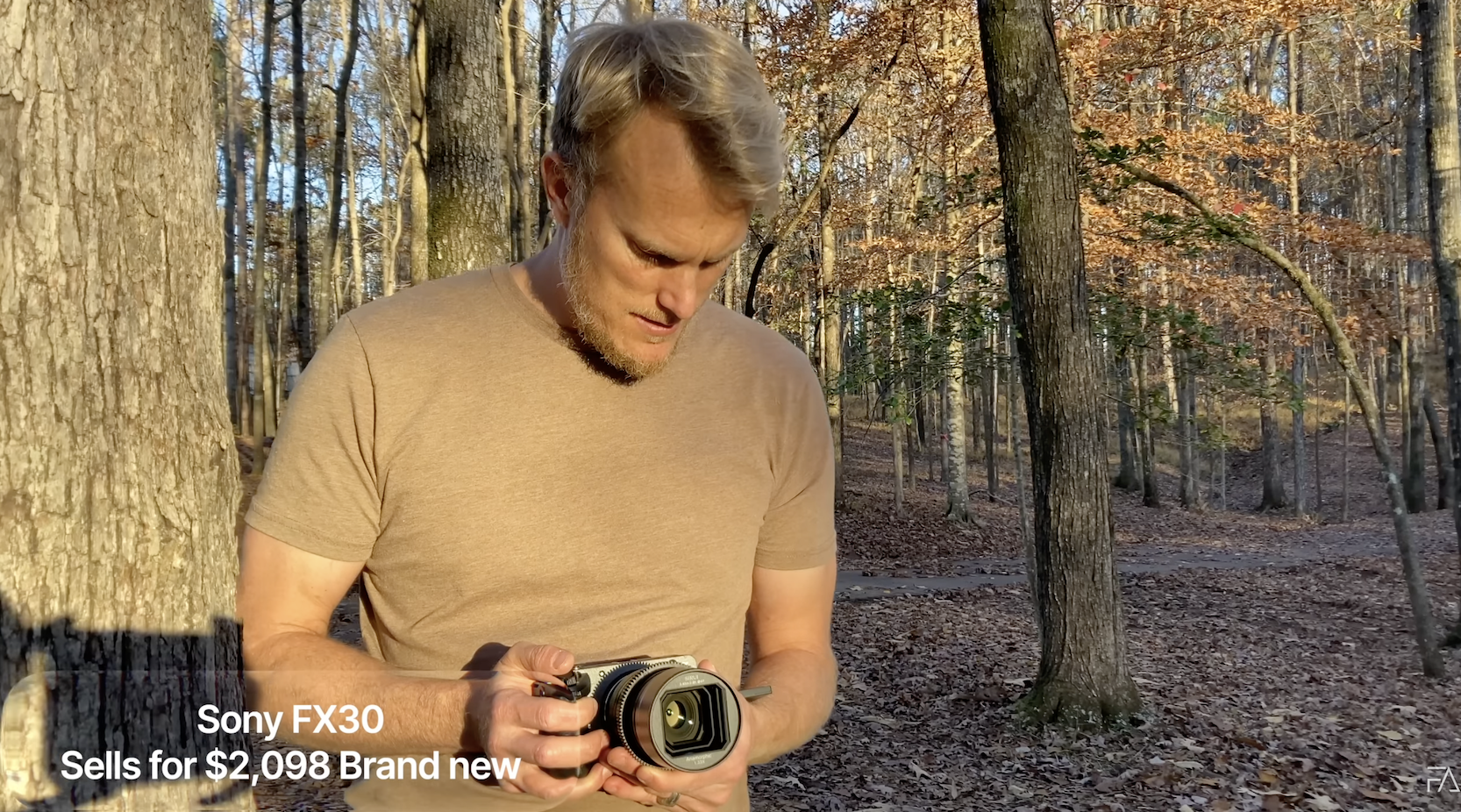
Sony FX30 — $1,798 New / $1,495 Used
The FX30 is Sony’s most affordable entry into its Cinema Line, and it’s built specifically with filmmakers in mind. It uses the same 26MP APS-C sensor found in the a6700, but the body is designed like a mini cinema rig — with five 1/4"-20 mounting points, a fan for thermal management, and no viewfinder to keep the form factor small and rig-friendly.
You get 4K up to 120fps, full-size HDMI, dual card slots, and 10-bit 4:2:2 internal recording — everything you’d expect in a professional video camera. It even features 14+ stops of dynamic range when shooting in S-Log3, which gives you loads of room to grade. While it’s not ideal for photographers, it’s arguably the best video-focused camera under $2,000 if you’re building a proper rig for YouTube, documentary work, or commercial content.
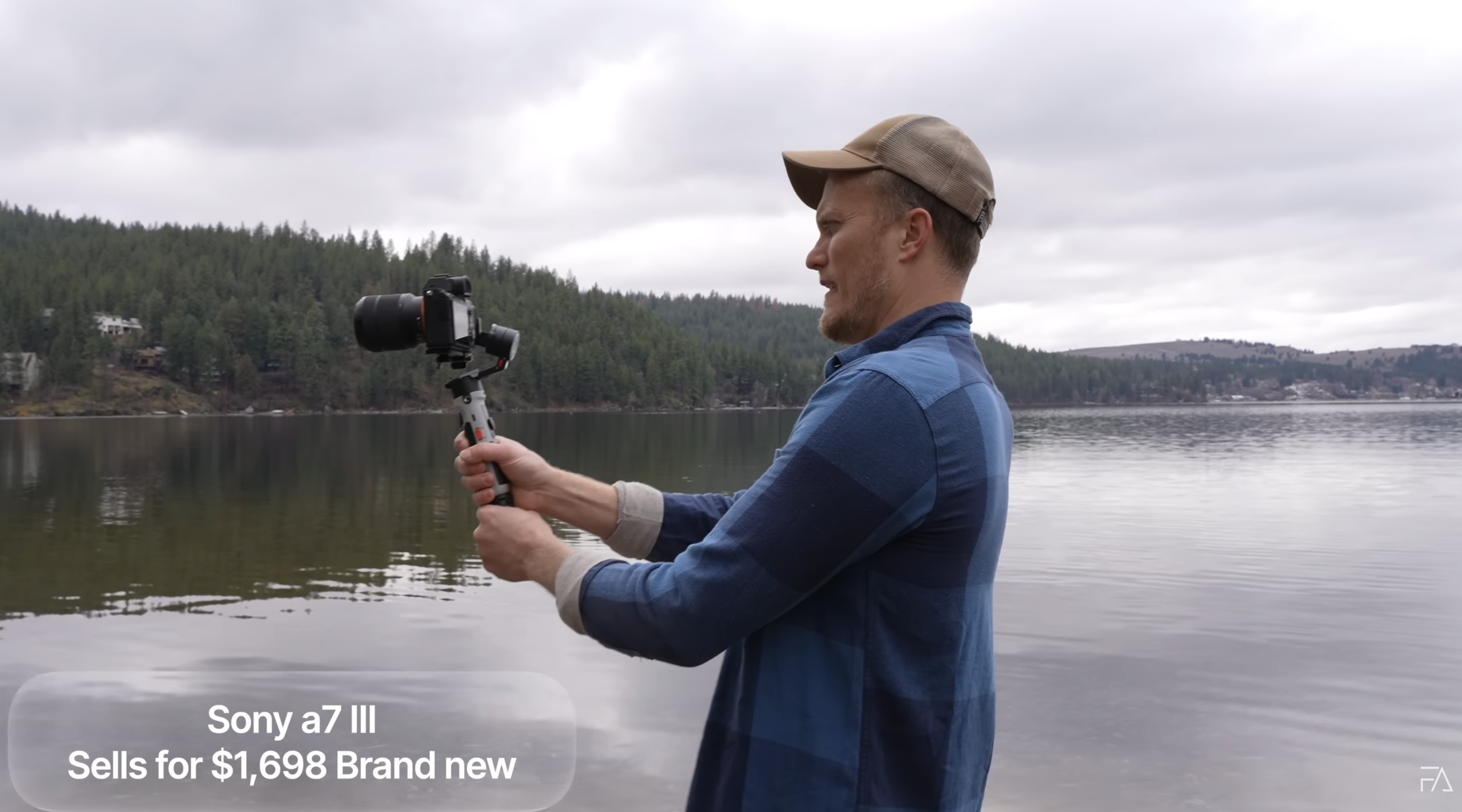
Sony a7 III — $1,798 New / $600 Used
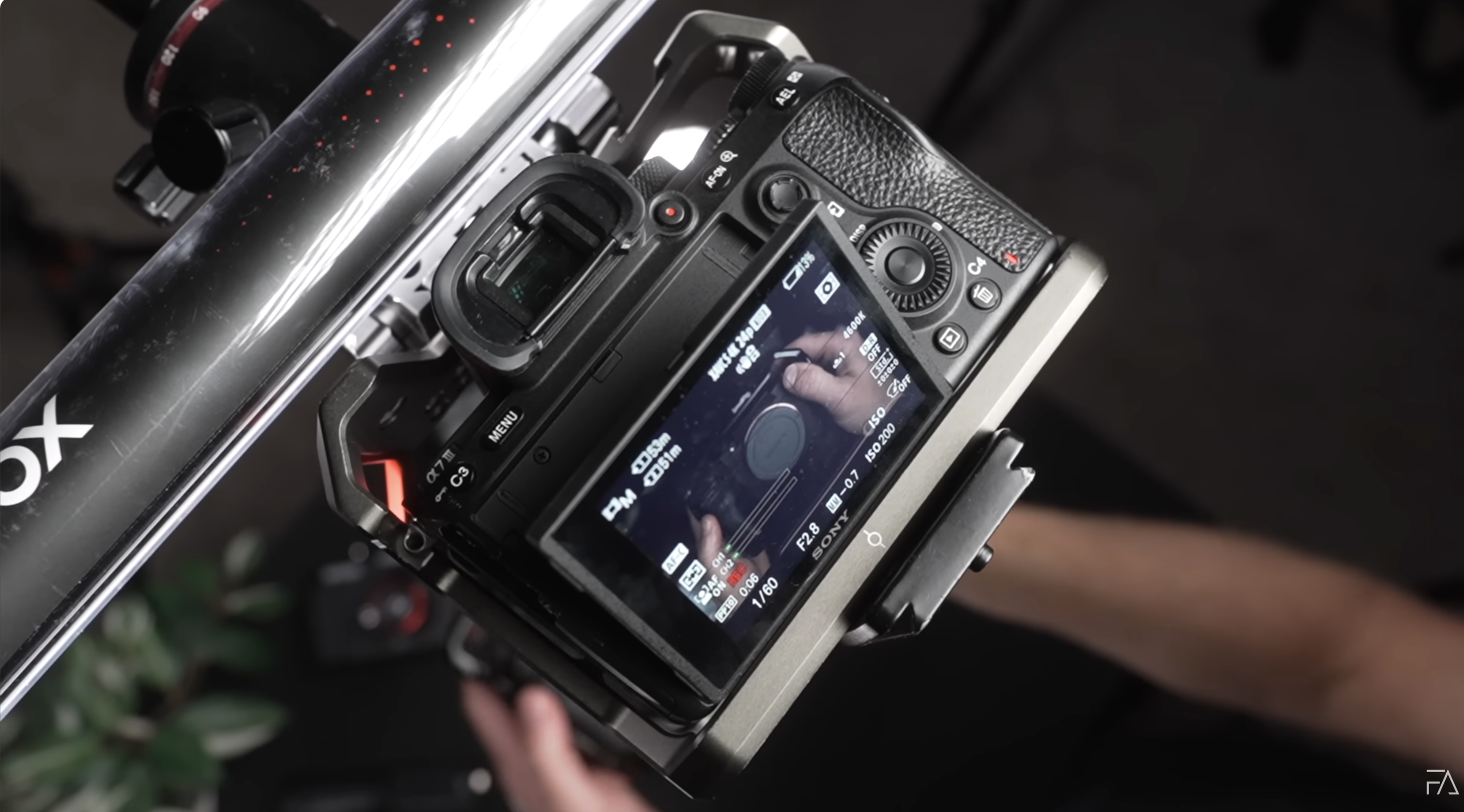
The Sony a7 III might be getting older, but it’s still one of the best full-frame hybrid cameras you can buy — especially used. At around $600, it’s an insane deal. It was my first full-frame camera, and I used it on client jobs for years because of its low-light capability, strong battery life, and overall reliability.
You get 24MP full-frame stills, dual card slots, solid 4K video, and great color out of S-Log2 or HLG profiles. The autofocus may not match Sony’s newest models, but it's still dependable for most shooting styles. It’s not a flashy camera, but it just works — whether you’re shooting weddings, interviews, or documentary-style projects. For the price, the a7 III is unbeatable.
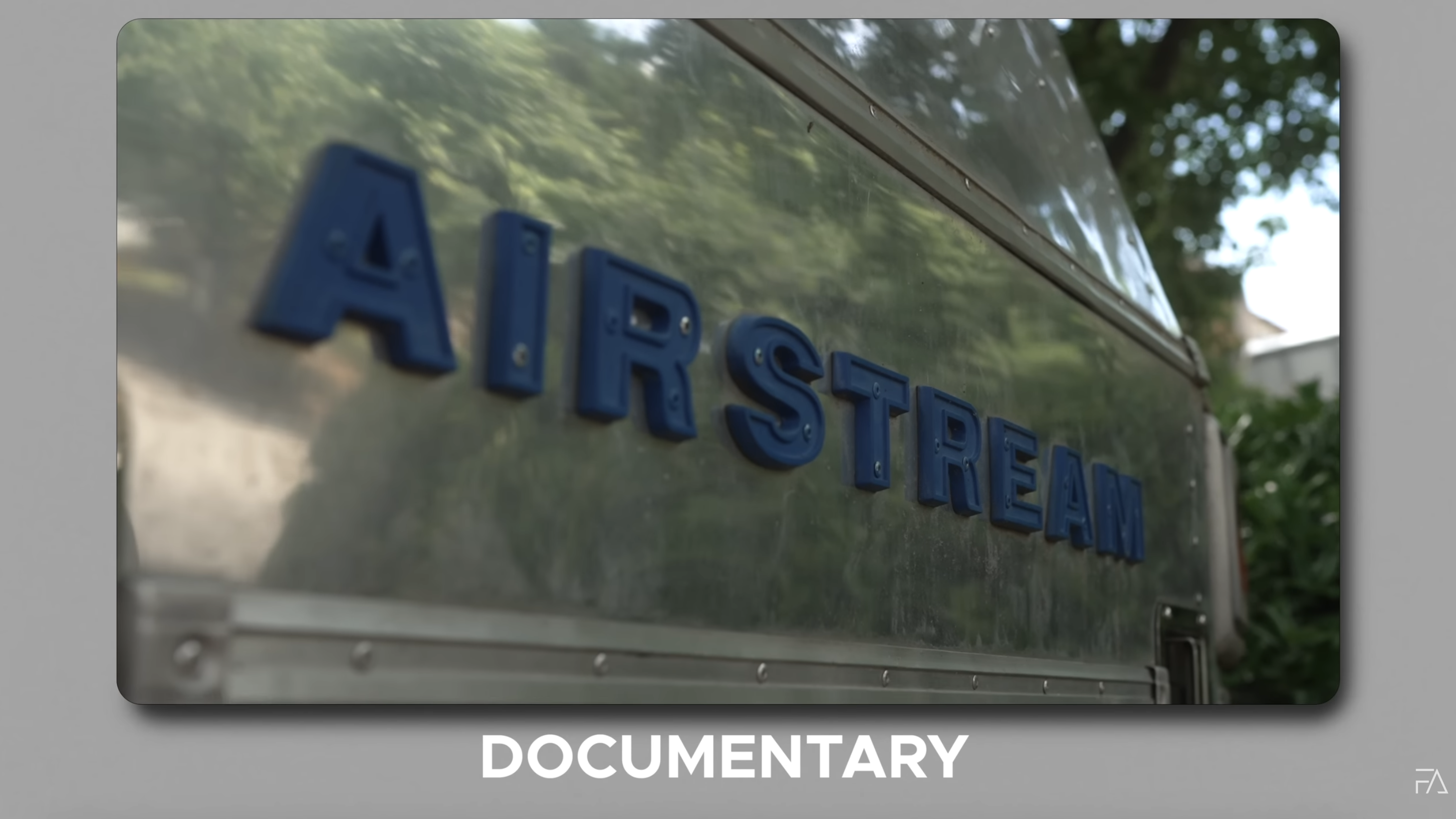
Sony ZV-E1 — $2,198 New / $1,705 Used
The ZV-E1 is one of Sony’s most exciting releases in recent years for solo creators. It features the same 12MP full-frame sensor found in the a7S III, but in a much smaller, more compact body. That means insane low-light performance, cinematic full-frame depth of field, and buttery 4K footage — all in a camera that fits in the palm of your hand.
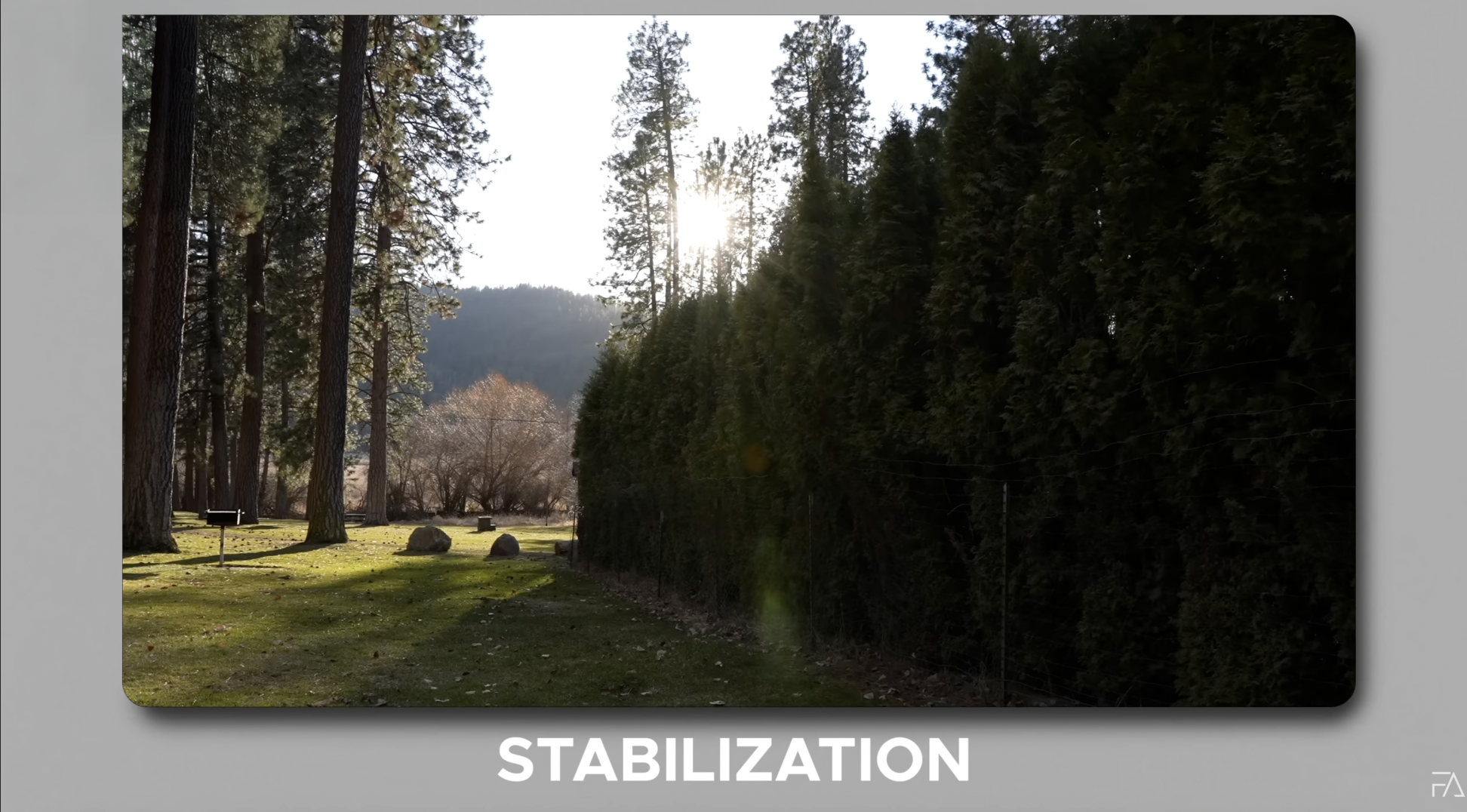
The digital Active Stabilization is one of its standout features, delivering gimbal-like results if you’re shooting handheld. It also has smart tools like Auto Framing, Real-Time Recognition for tracking subjects, and Creator Mode profiles like S-Cinetone. If you want a premium full-frame camera built for mobility, solo shooting, and great color straight out of camera, the ZV-E1 nails it.
Sony a7S III — $3,498 New / $2,700 Used
The a7S III is the gold standard for video-focused Sony shooters. It has a 12MP full-frame sensor optimized for clean, detailed 4K footage — even in extremely low light. It can record 10-bit 4:2:2 internally at up to 120fps with no recording limits and no overheating, making it perfect for long shoots, interviews, events, or YouTube production.
It features dual card slots that support both SD and CFexpress Type A, full-size HDMI, incredible autofocus, and some of the best heat management in the business. While it’s not built for high-resolution stills, it absolutely dominates when it comes to video reliability and image quality. If you’re a filmmaker or content creator with a larger budget and want one camera to rule them all, this is the one.
Conclusion
So that’s the list — the only Sony cameras I’d actually recommend in 2025, regardless of your budget. Whether you’re starting with a few hundred dollars or looking for a serious filmmaking setup, these are the ones I’ve tested, owned, or shot with extensively — and they all hold up. You don’t need to buy the newest model to get great results.
If you’re still on the fence, I’ve linked free downloadable project files for each camera in the description so you can test the footage yourself. And if you already own one of these, I’ve built custom camera-specific LUTs to help you get the best color possible from your footage. Check those out if you want to save time grading and see what your camera can really do.
Thanks for reading — I’m Joe with The Film Alliance, and I hope this helped you find the right camera for your next project.
Author