
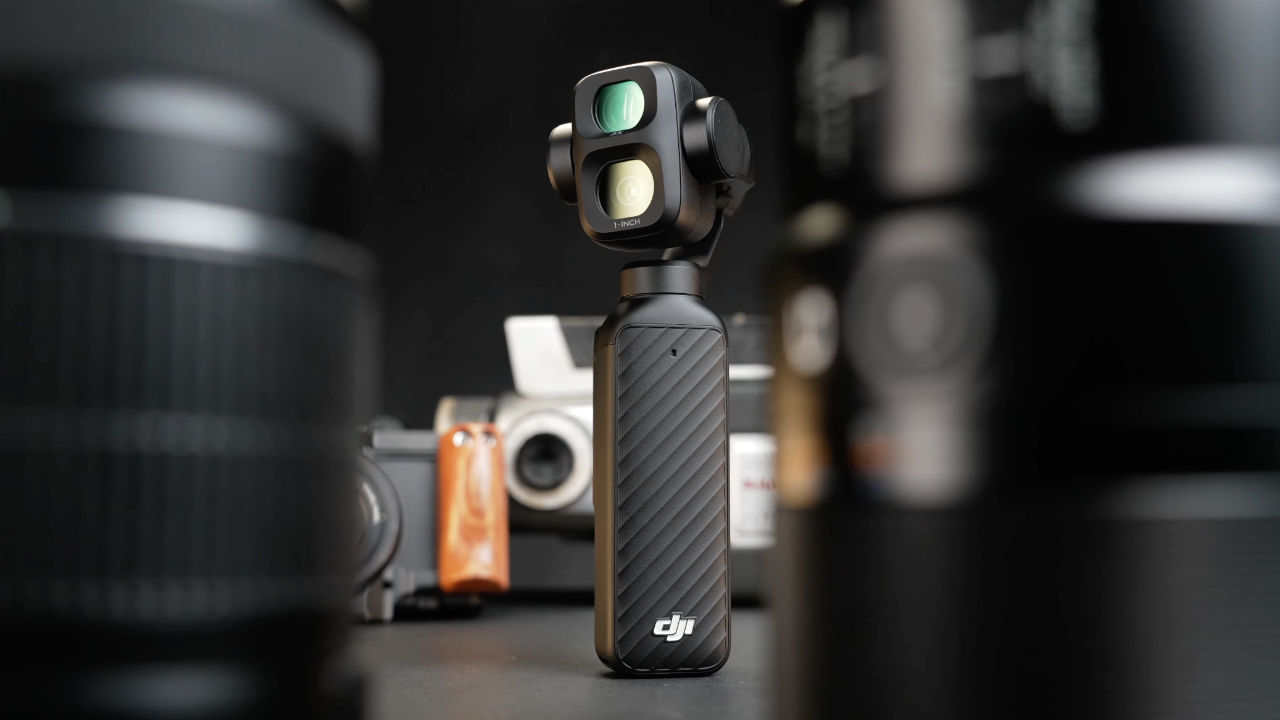
The Pocket Camera Everyone Wants…And Can’t Get
Jul 22, 2026Get the full story watching the video above ⬆️
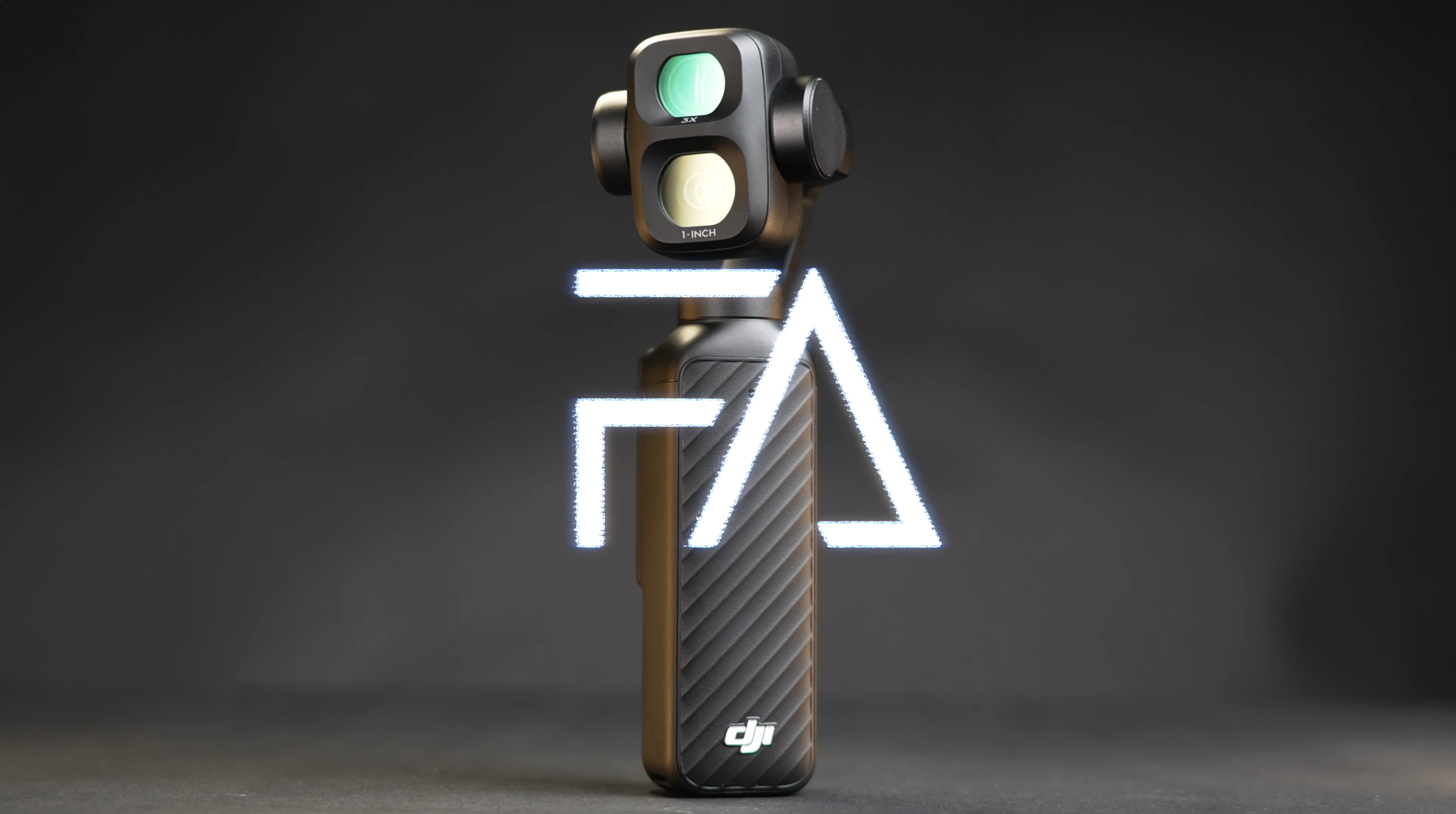
After spending two weeks using the Osmo Pocket 4P in a wide range of real-world situations, I think it is one of the most capable compact cameras I have tested.
The image quality is strong, the 3x camera is incredibly useful, stabilization is excellent, and the slow-motion footage is some of the sharpest I have seen from a camera this small.
However, the Pocket 4P is not perfect.
Its availability in the United States is a major concern, the 3x camera has some limitations, low-light performance is good rather than exceptional, and buying through a third-party seller can leave you without a manufacturer’s warranty.
This Osmo Pocket 4P review covers what I liked, what disappointed me, and whether I think it is worth buying over cameras such as the Osmo Pocket 3 and Insta360 Luna Ultra.
Osmo Pocket 4P Price and Availability
The biggest problem with the Osmo Pocket 4P has nothing to do with image quality.
It is availability.
The camera is not officially sold in the United States, so many buyers have to purchase it through eBay or another third-party seller. That usually means paying a premium and possibly dealing with import fees.
I bought mine on eBay with my own money.
The lack of a clear warranty makes me much more nervous when using it. The Pocket 4P also does not include a protective case, so carrying and handling it can feel risky, especially when the gimbal and lenses are exposed.
If I damage the camera or receive a defective unit, I may have to rely entirely on the seller.
That is something every US buyer should consider before purchasing one.
Pocket 4P vs Insta360 Luna Ultra
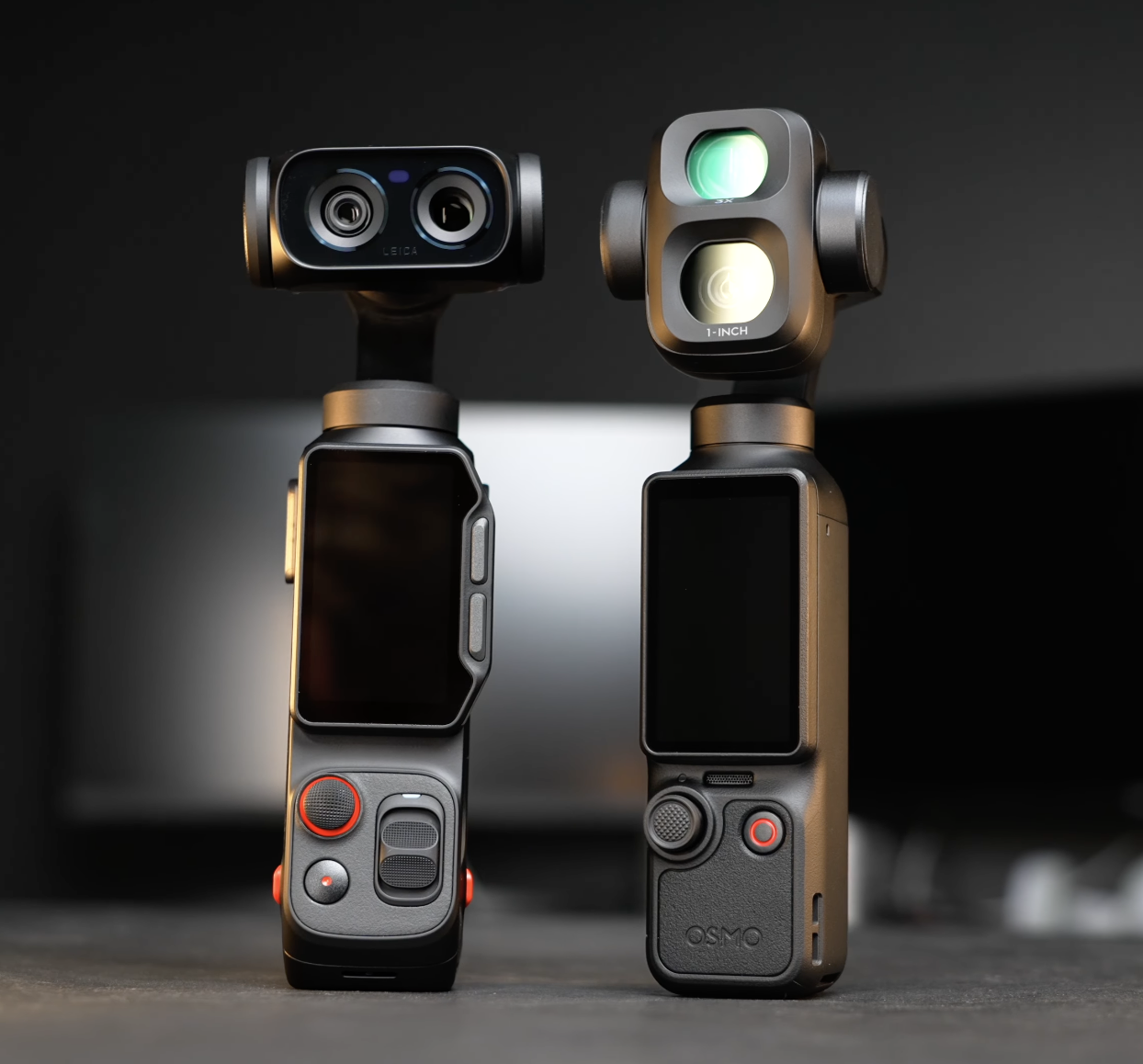
One of the biggest questions is whether the Pocket 4P is worth buying over the Insta360 Luna Ultra.
If both cameras were equally easy to purchase, I would choose the Pocket 4P.
It feels more refined and reliable, and I generally prefer its image quality and dynamic range. DJI has had several generations to improve its Pocket cameras, while the Luna Ultra is a first-generation product with more bugs and small quirks.
However, the difference in image quality became smaller once I adjusted the Luna Ultra’s exposure.
I found that underexposing the Luna Ultra by approximately two-thirds of a stop helped protect its highlights and made the footage look much closer to the Pocket 4P.
For buyers in the United States, the Luna Ultra is probably the safer and more practical choice. You can purchase it through normal channels without taking the same warranty and import risks.
The 3x Camera Is One of Its Best Features
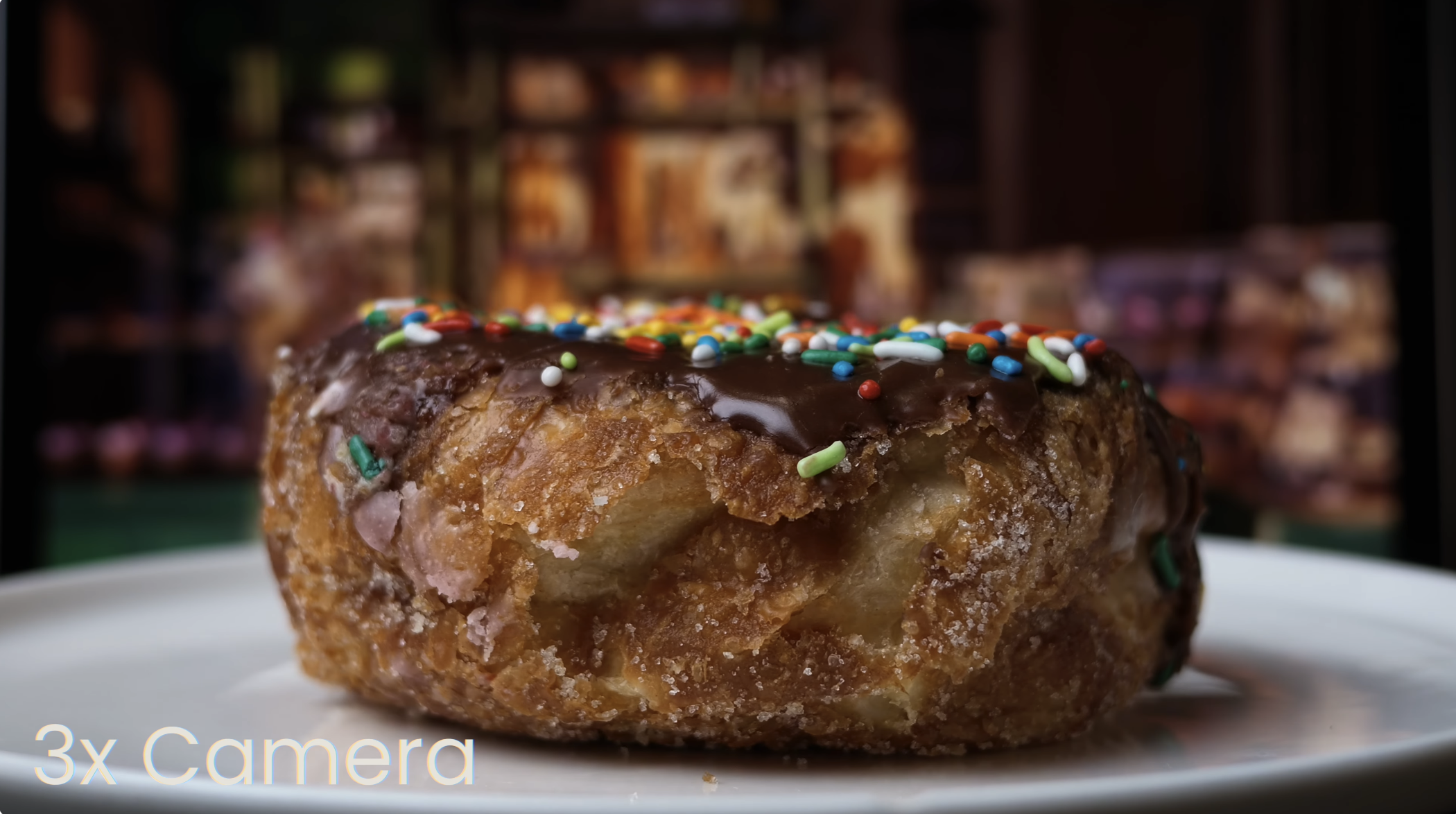
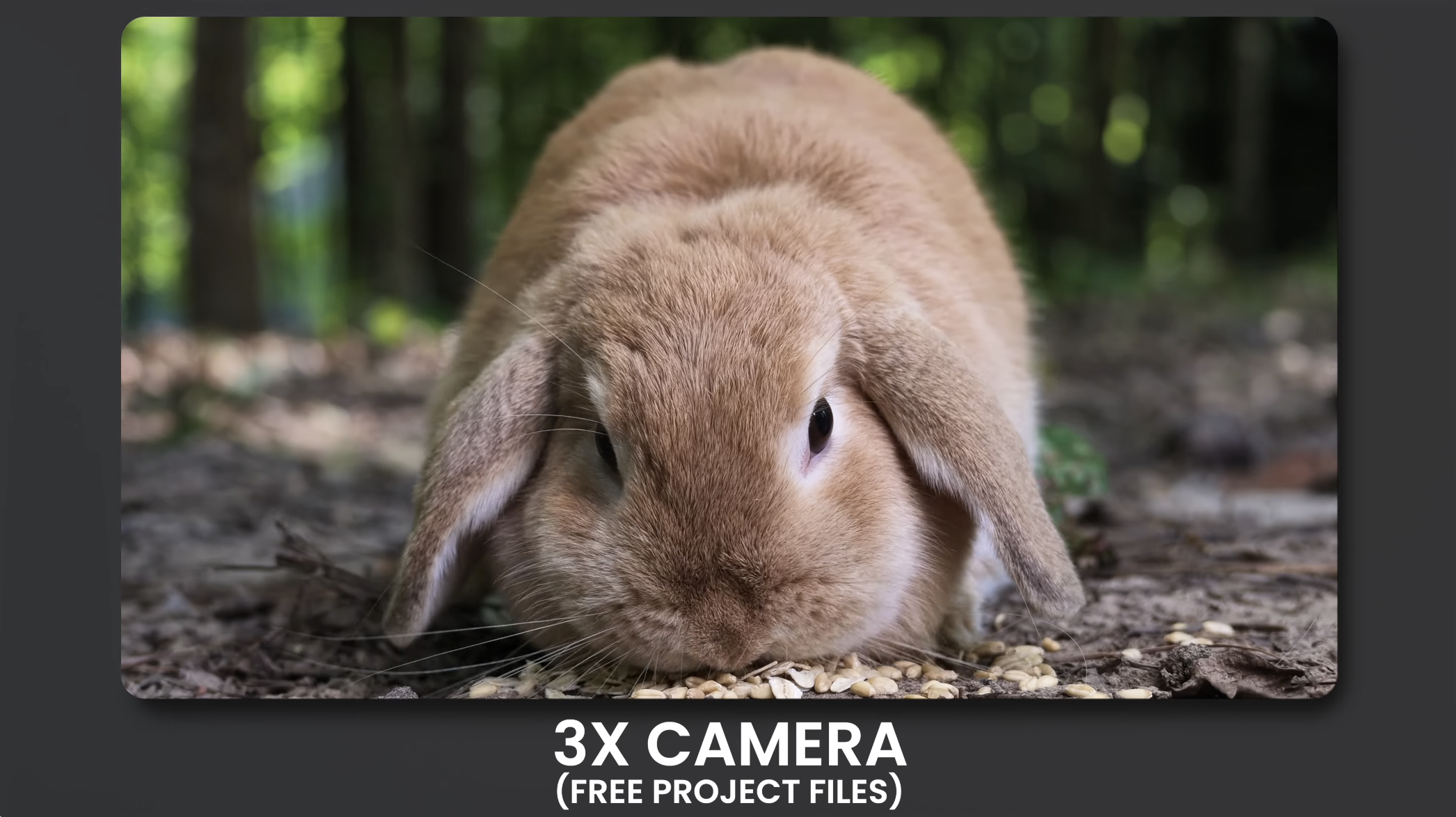
The 3x camera is probably the feature I use most on the Pocket 4P.
It gives me a 60mm-equivalent focal length, which creates a tighter and more flattering perspective than the wider 1x camera.
I especially like using it for:
-
Talking-head videos
-
Portraits
-
Product shots
-
Detail shots
-
Nature footage
-
Cinematic B-roll
The tighter focal length gives me better subject separation and makes the frame feel more professional.
The main downside is that the 3x camera uses a smaller sensor than the main camera. It does not perform as well in low light, so I prefer using it when I can control the lighting.
It also cannot record in D-Log 2.
The 3x camera can still shoot in 10-bit D-Log, which gives me useful grading flexibility, but it does not have the same highlight recovery and dynamic range as D-Log 2 on the main camera.
Even with those limitations, the 3x lens is one of the biggest reasons I enjoy using the Pocket 4P.
Color Consistency Between Lenses
Multi-camera systems can sometimes produce noticeably different colors when switching between focal lengths.
The Pocket 4P handles this surprisingly well.
Colors remain fairly consistent when switching between the 1x camera, 3x camera, and the 6x and 12x digital zoom options.
That makes editing much easier because footage captured at different focal lengths still looks like it came from the same camera.
The Insta360 Luna Ultra showed more noticeable color shifts between its zoom ranges during my testing.
That may improve through firmware, but some of the difference could also come from the individual camera modules and sensors.
Color consistency is one of those features that does not sound exciting on a specification sheet, but it matters a lot when assembling a finished project.
Pocket 4P vs Osmo Pocket 3
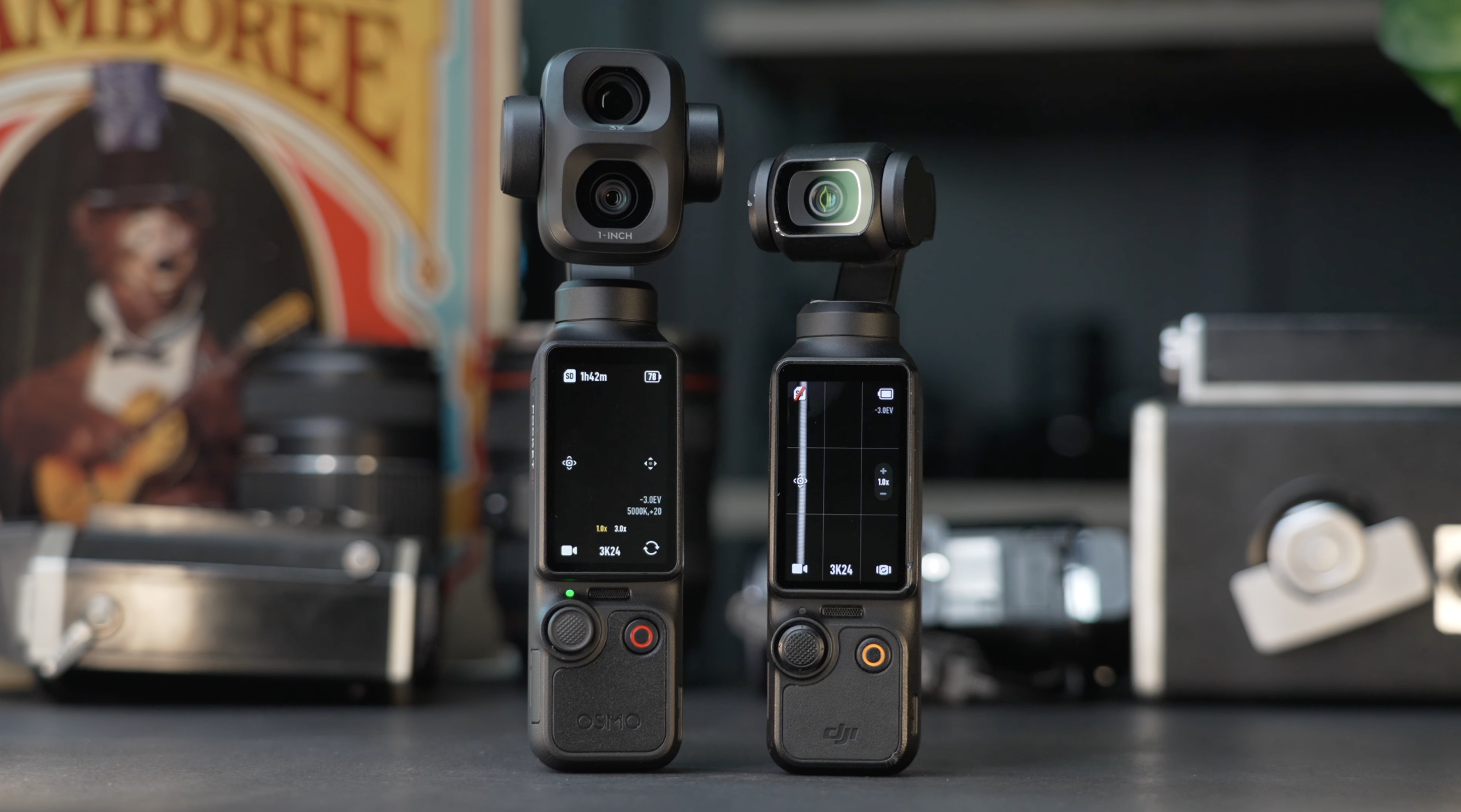
The Osmo Pocket 3 is still an excellent camera.
In many situations, its image quality, stabilization, contrast, and color come surprisingly close to the Pocket 4P.
For creators who primarily shoot in good lighting and do not need the 3x camera, D-Log 2, or 4K240 slow motion, the Pocket 3 may be all they need.
The Pocket 4P begins to separate itself in more challenging lighting conditions. It also offers better zoom flexibility, stronger dynamic range, improved tracking, and more advanced recording options.
If the price difference is only a couple hundred dollars, I would probably choose the Pocket 4P.
If the Pocket 4P costs close to $1,000 because of US import pricing, the Pocket 3 becomes a much stronger value.
Can It Replace a Mirrorless Camera?
One of the biggest questions I had was whether the Pocket 4P could replace my larger mirrorless setup.
I regularly use full-frame cameras such as the Sony ZV-E1 for behind-the-scenes footage, low-light filming, and more serious production work.
Once I add a lens, gimbal, batteries, and accessories, that setup becomes much heavier than the Pocket 4P.
The Pocket 4P gives me enough image quality, stabilization, and dynamic range to replace a mirrorless camera in many everyday situations.
For travel, casual filmmaking, B-roll, vlogging, and behind-the-scenes footage, I would feel comfortable leaving the larger setup behind.
However, it does not completely replace a mirrorless camera.
A larger system still gives me:
-
Interchangeable lenses
-
Better low-light potential
-
More control over depth of field
-
Larger displays
-
Professional audio connections
-
More accessory options
-
Greater flexibility for client work
The Pocket 4P can replace a mirrorless camera for some jobs, but not every job.
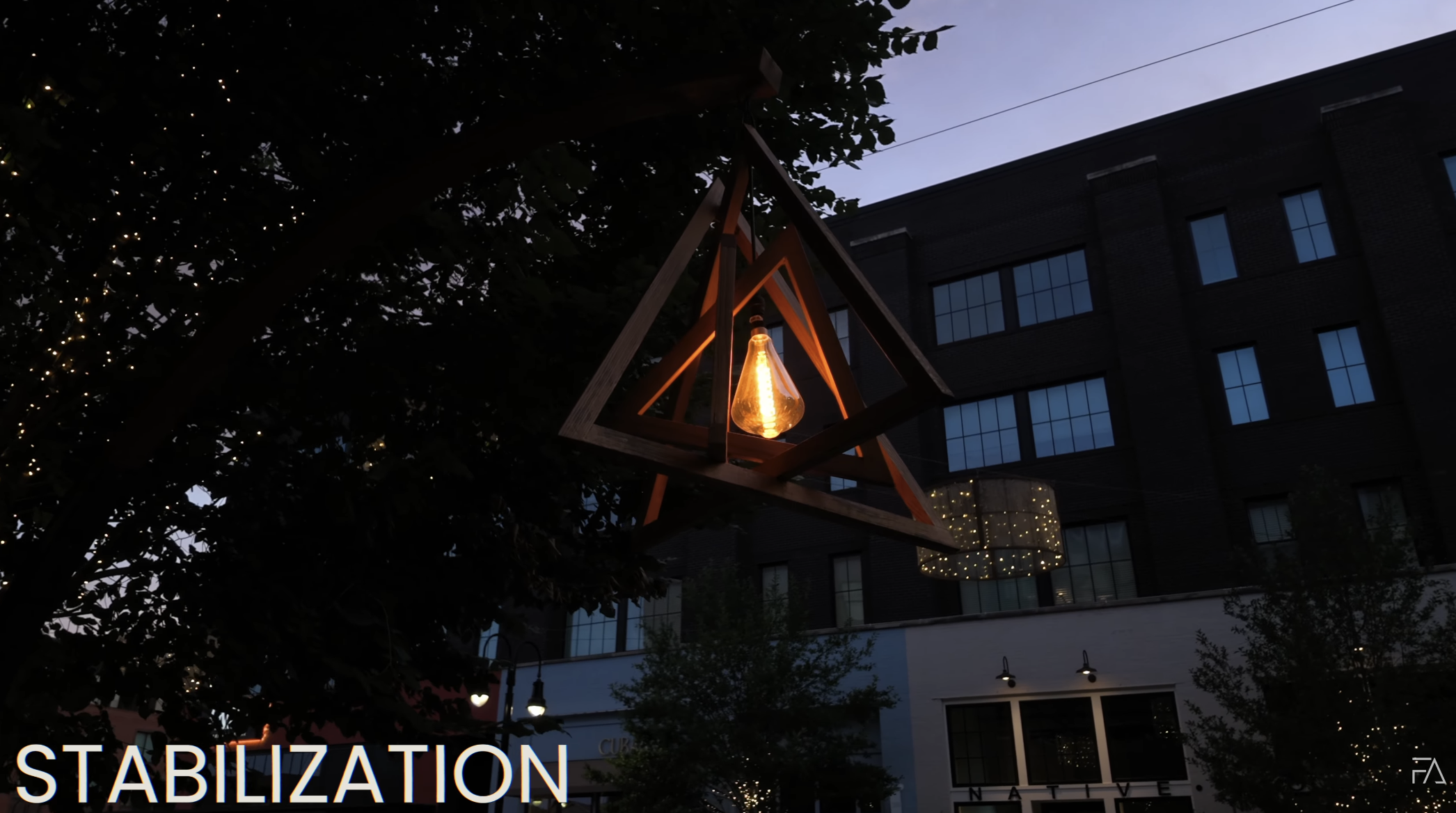
Stabilization
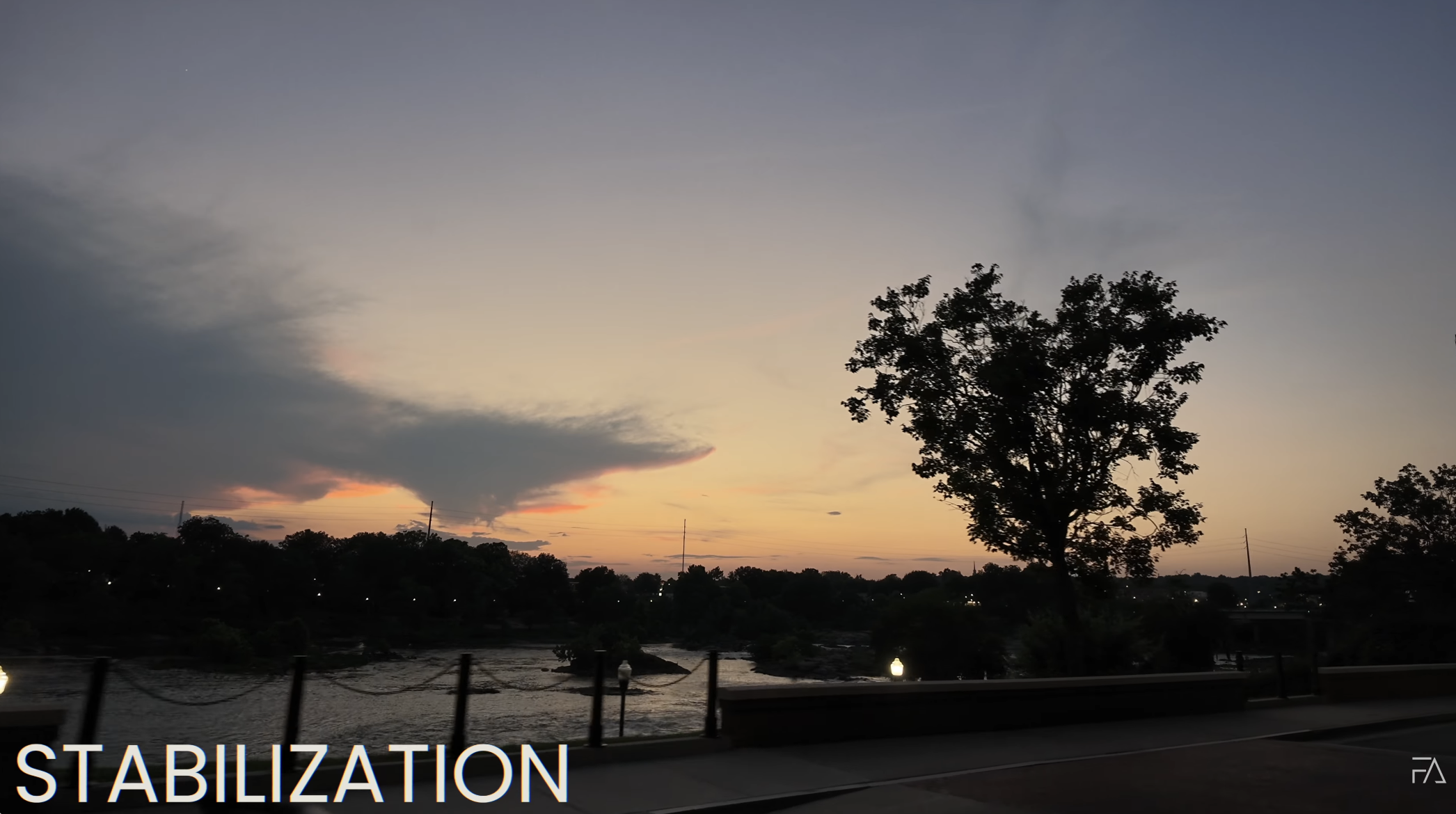
Stabilization is excellent, but I did not notice a massive improvement over the Pocket 3 or Luna Ultra.
All three cameras already produce very smooth footage.
The main issue to watch for is the vertical bobbing motion that can appear while walking. Holding the camera at a slight angle can help reduce that up-and-down movement.
The Pocket 4P is larger and heavier than the Pocket 3, so it uses stronger gimbal motors.
Those stronger motors perform especially well when I use the camera upside down, close to the ground, or in unusual shooting positions.
This makes the camera ideal for creative tracking shots and movements that would normally require a separate gimbal.
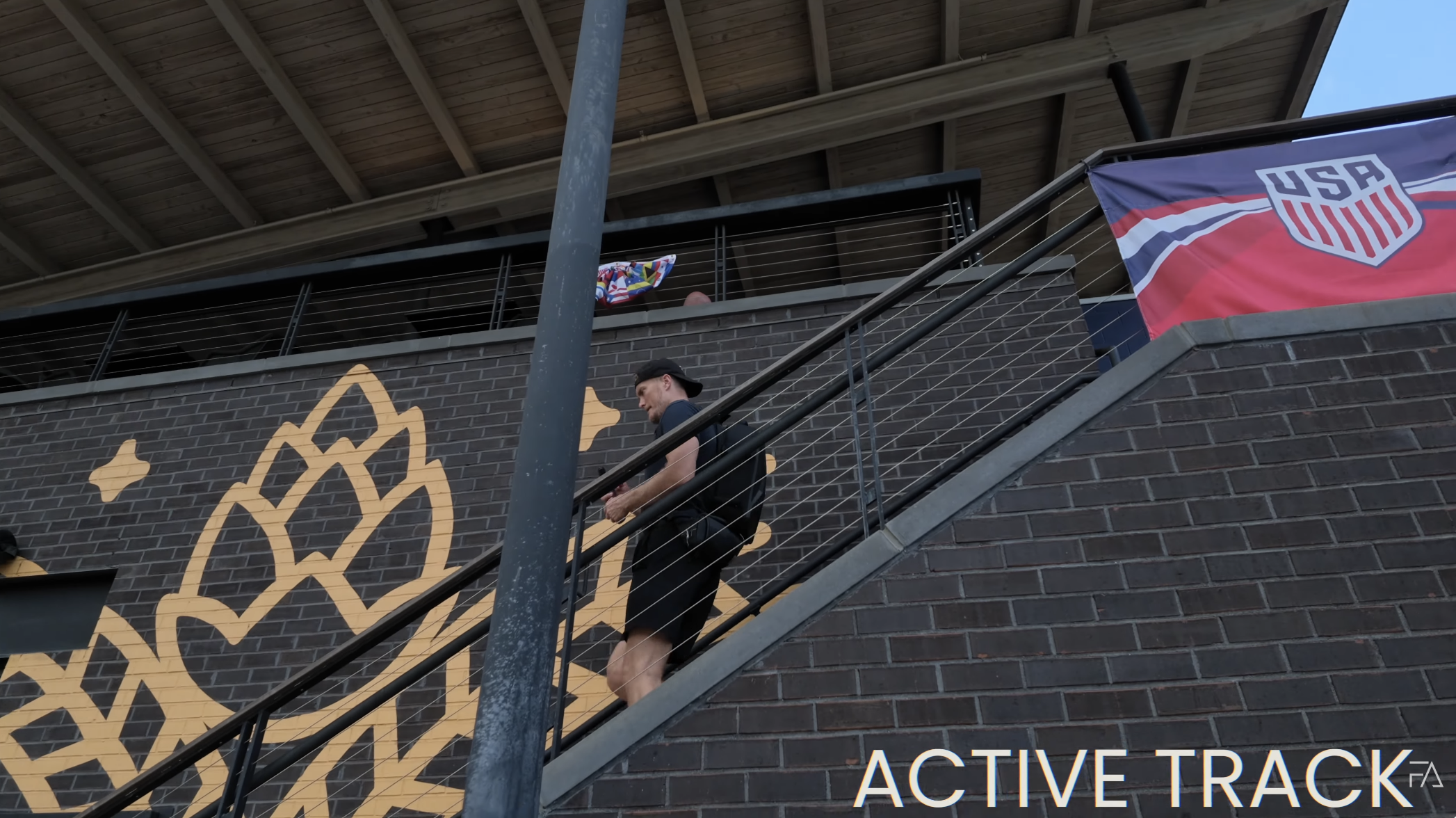
Subject Tracking
Tracking is one area where I noticed a more meaningful improvement.
The Pocket 4P tracks subjects more reliably than the Pocket 3 and performs roughly on the same level as the Luna Ultra.
It locks onto people quickly and does a good job maintaining the subject even during more complicated movement.
For solo creators, this is extremely helpful.
I can place the camera on a tripod, move through the scene, and let it follow me without needing another person behind the camera.
DJI’s tracking appears to improve with every new Pocket generation, and the Pocket 4P feels faster and more dependable.
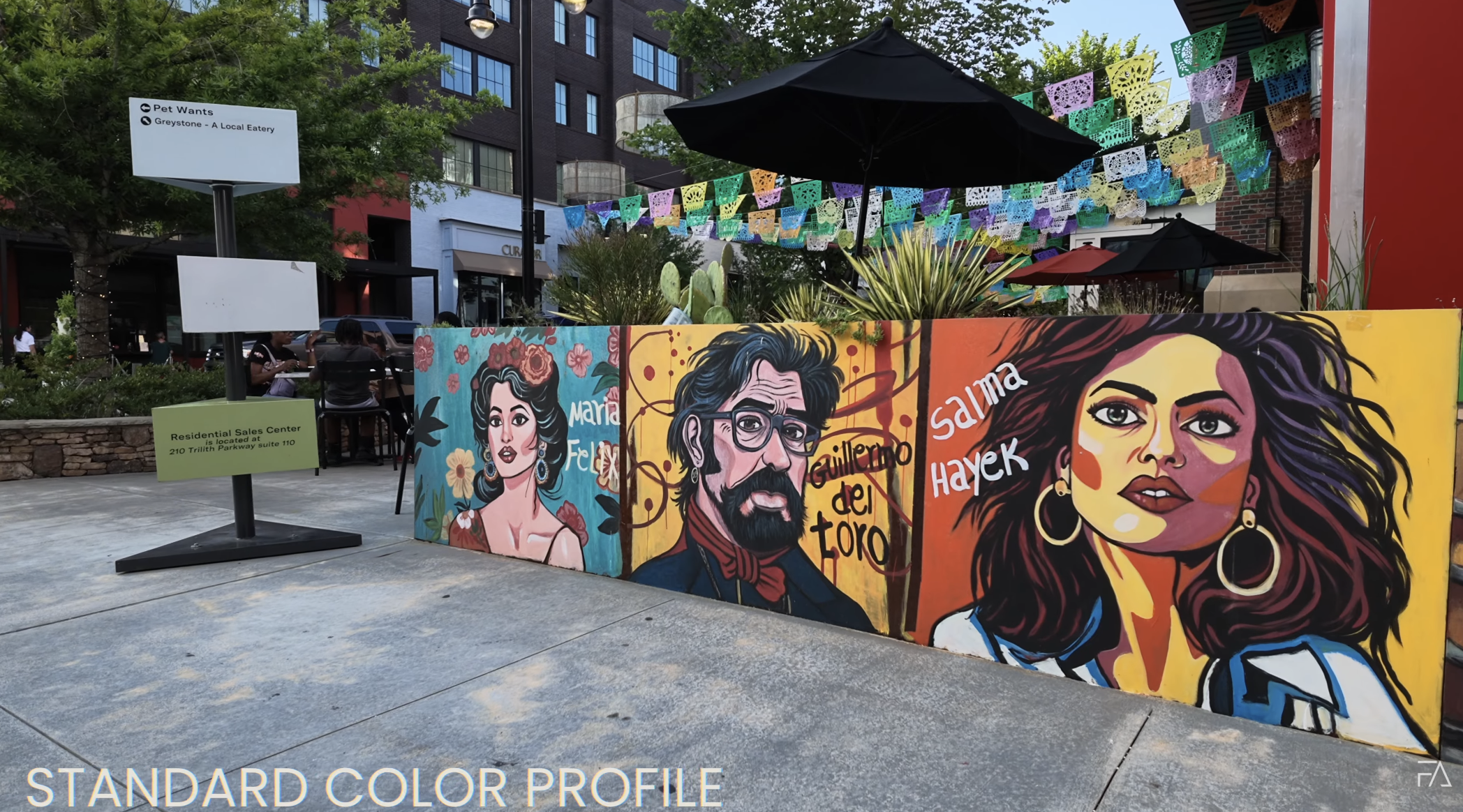
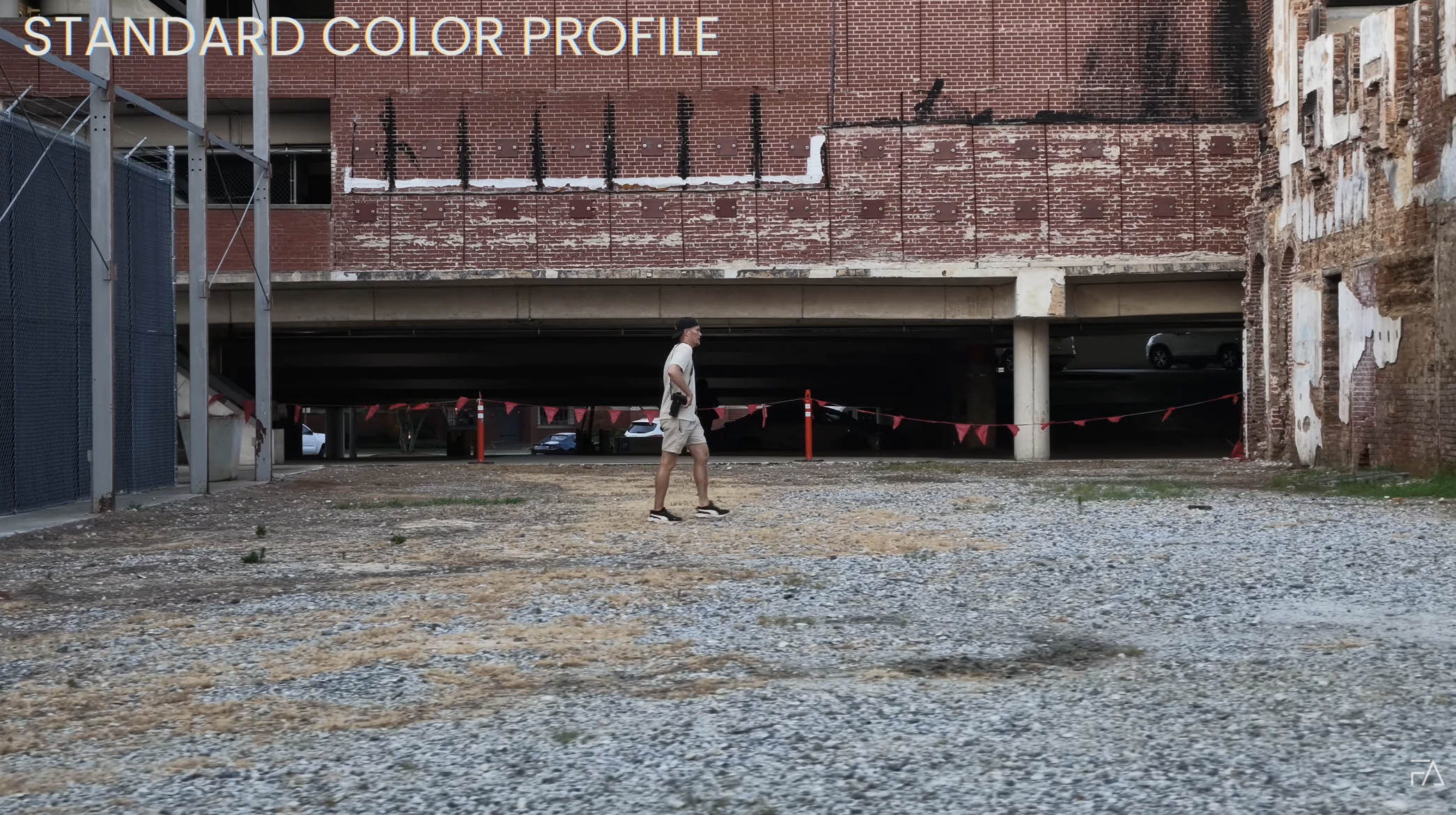
Standard Color Profile
The standard color profile is one of my favorite things about this camera.
D-Log and D-Log 2 offer more flexibility, but I do not always want to spend extra time color grading.
For fast run-and-gun filming, I often prefer shooting in Standard.
Many small cameras produce an overly processed image. Reds and greens can become too saturated, skin tones may look unnatural, and the footage can immediately feel like it came from a phone or action camera.
The Pocket 4P does not give me that same digital look in most situations.
The colors feel natural, and the footage often looks closer to what I would expect from one of my Sony mirrorless cameras.
That means I can shoot quickly, transfer the footage, and use it without a heavy color-grading workflow.
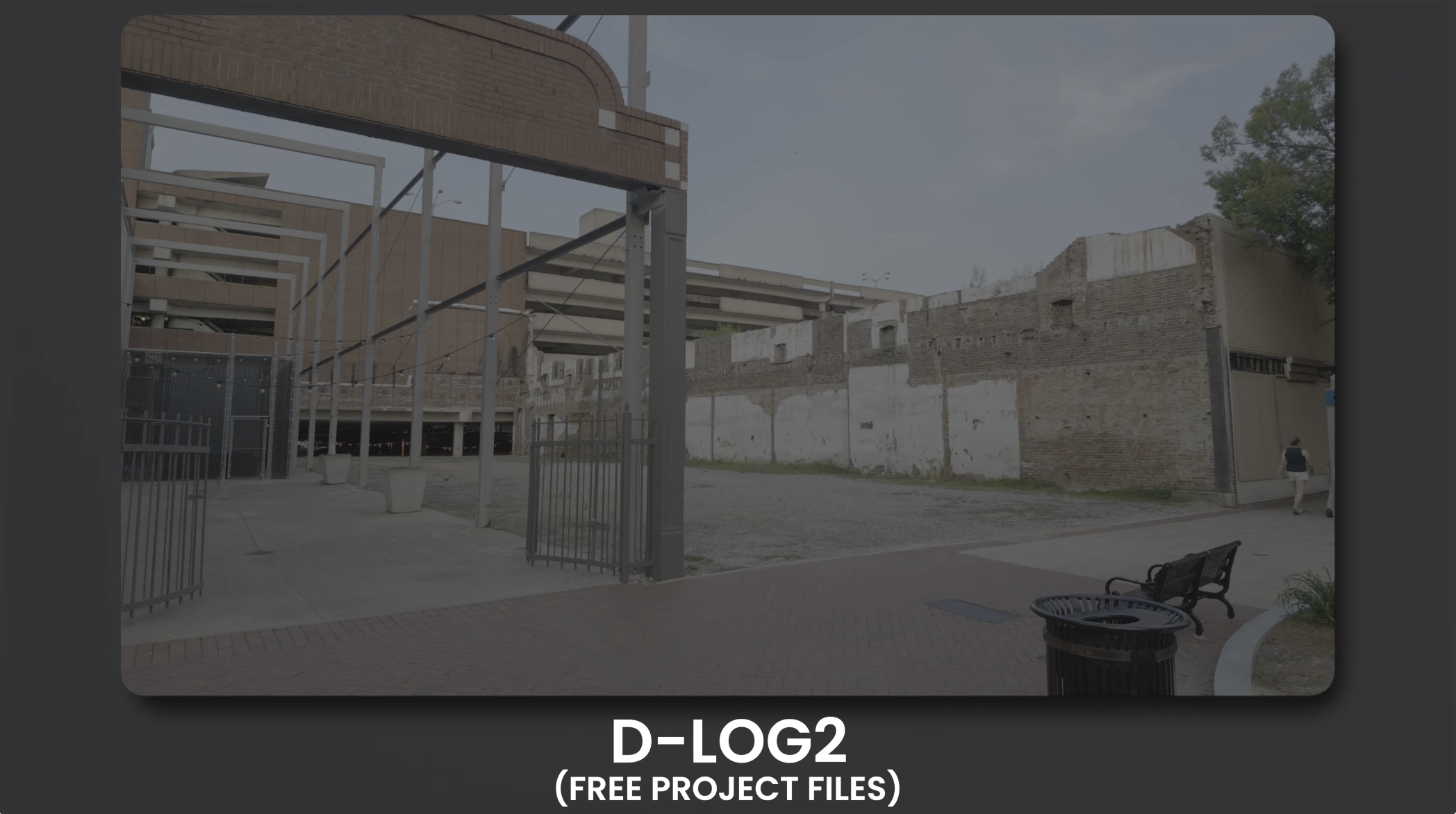
D-Log and D-Log 2
D-Log 2 is one of the biggest technical advantages of the Pocket 4P.
It gives me more room to recover bright highlights, lift darker shadows, and adjust the colors during editing.
This is especially useful in backlit scenes, bright daylight, interiors with windows, and other high-contrast environments.
The limitation is that D-Log 2 is only available on the main 1x camera.
When using the 3x lens, I have to switch to regular 10-bit D-Log.
Regular D-Log still grades well, but it does not provide the same flexibility.
Creators who use the 3x camera frequently should understand this limitation before buying.
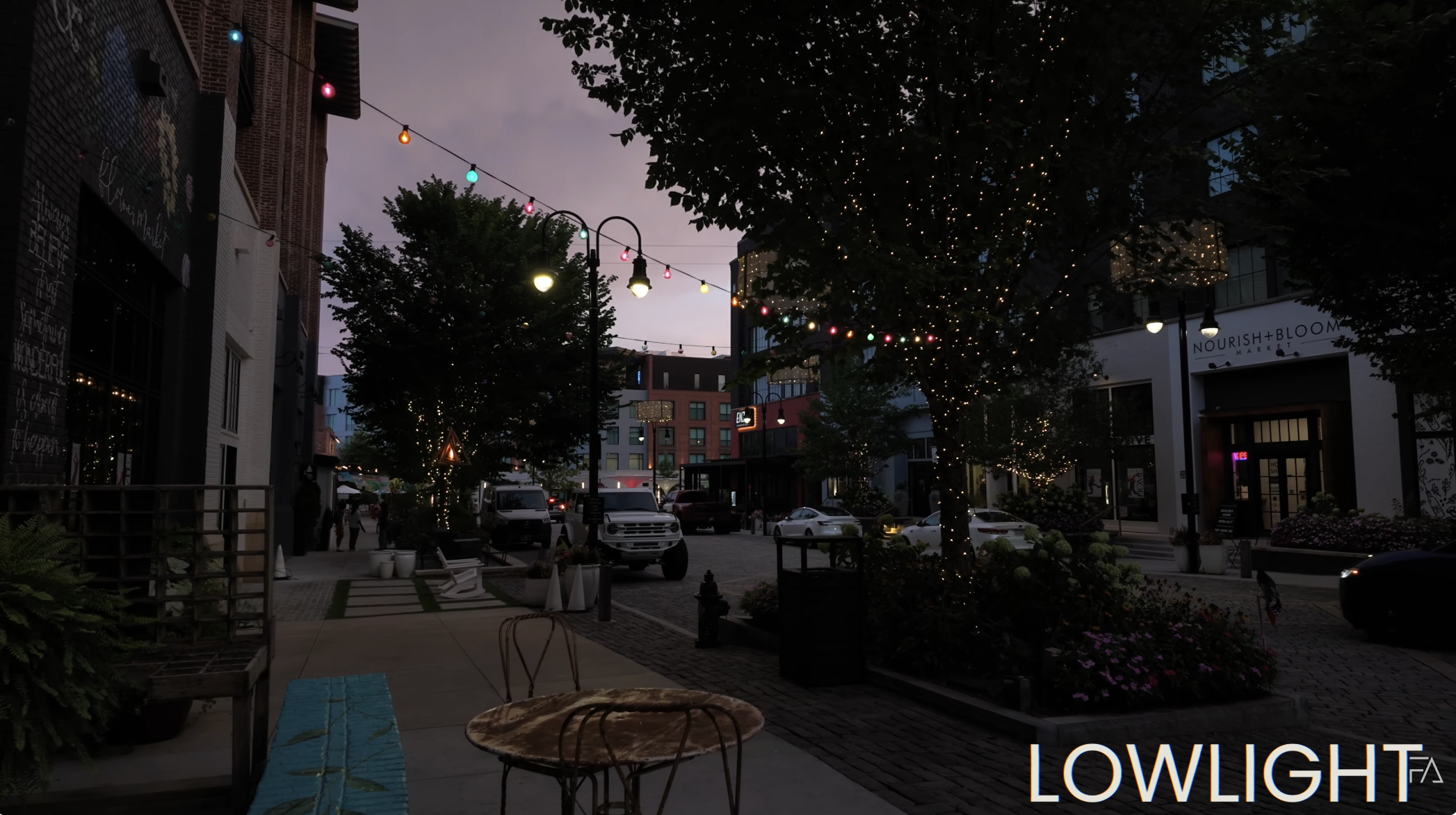
Low-Light Performance
The Pocket 4P performs well in low light, but it did not completely blow me away.
In some situations, it looked surprisingly close to the Osmo Action 6, even though the Action 6 uses a smaller sensor.
I can still get good low-light footage by controlling my exposure and keeping the ISO from becoming too high.
However, an APS-C camera such as the Sony a6700 or ZV-E10 II has a noticeable advantage.
Larger sensors generally collect more light, which can produce:
-
Cleaner shadows
-
Less digital noise
-
Better fine detail
-
More accurate color
-
Greater editing flexibility
I would not purchase the Pocket 4P expecting full-frame or APS-C low-light performance.
Its biggest strengths are portability, stabilization, and ease of use.
Slow Motion
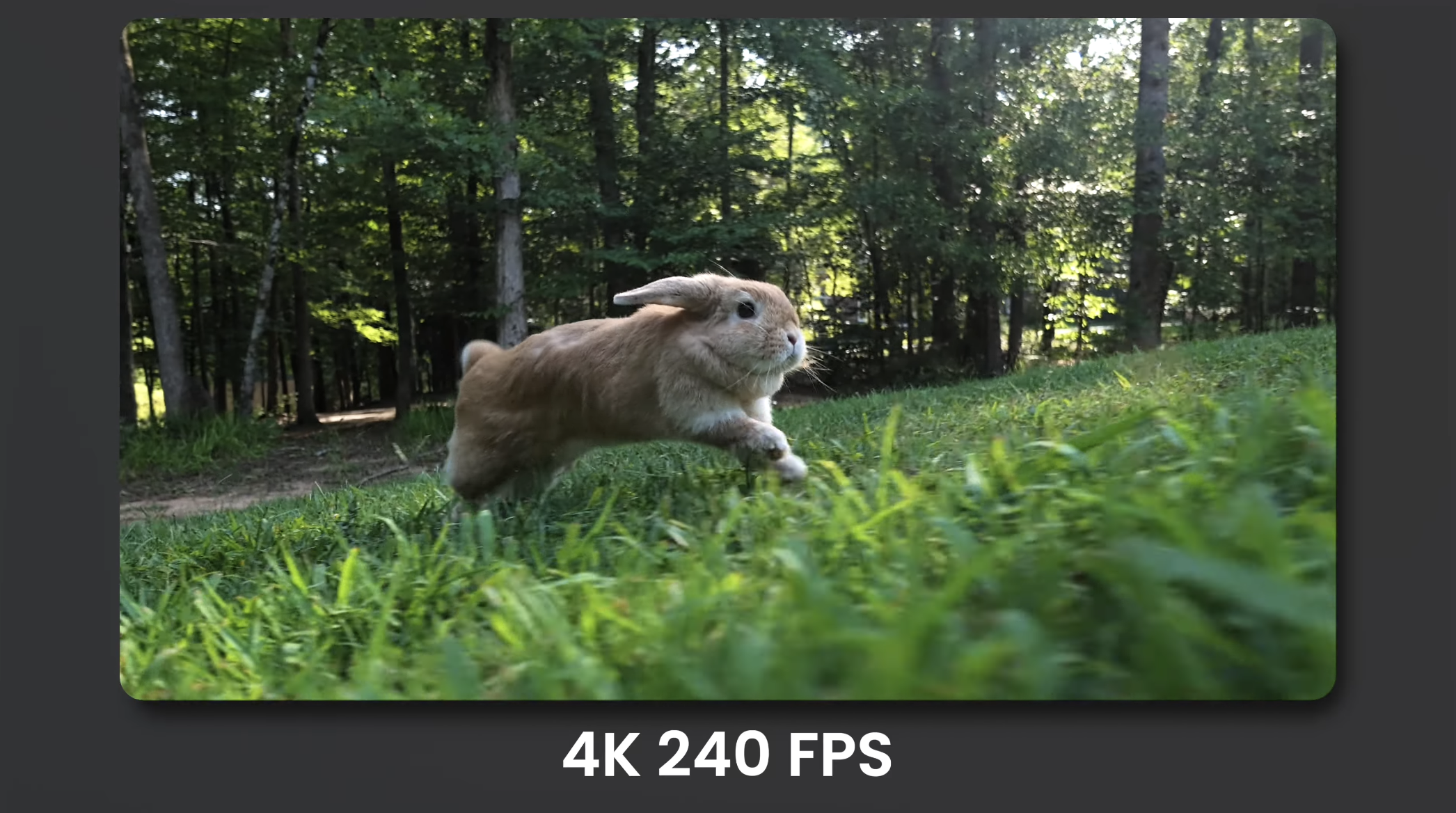
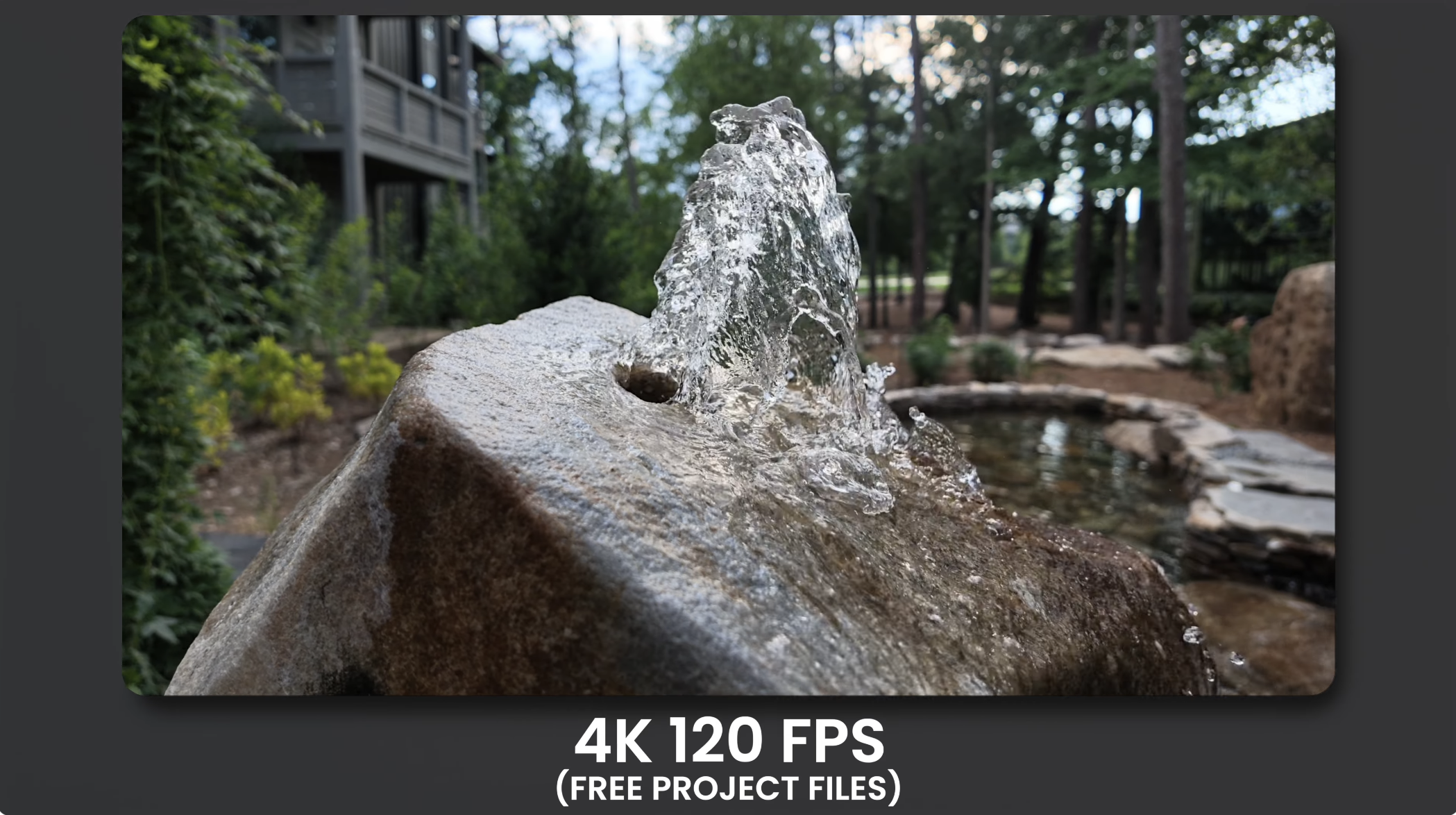
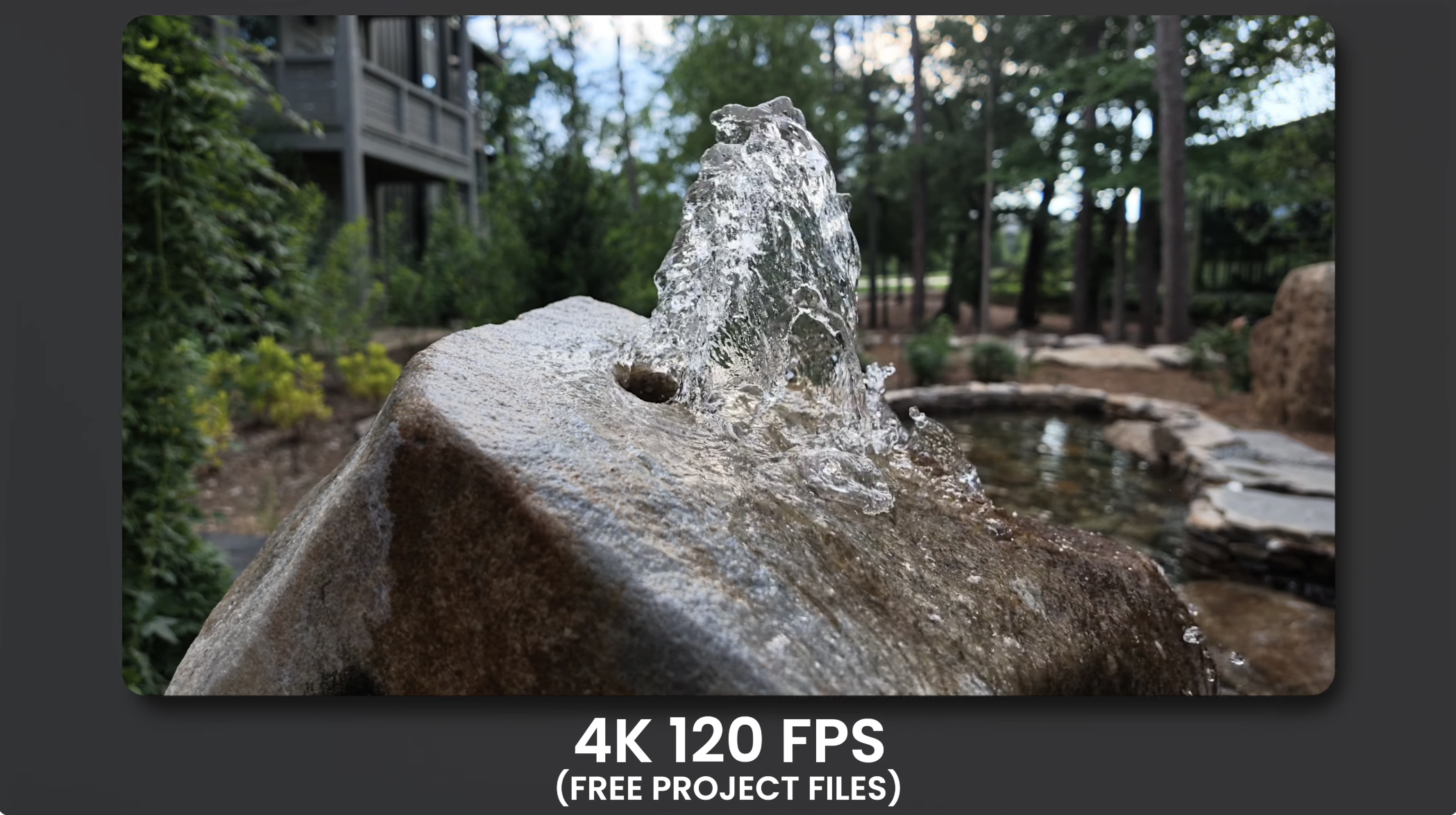
Slow motion is one of the strongest features on the Pocket 4P.
It can record up to 4K240, although I use 4K120 more often.
Many cameras technically offer 4K120, but the footage can become noticeably softer at higher frame rates.
The Pocket 4P maintains impressive sharpness and detail.
The footage holds up well whether I am shooting 4K60, 4K120, or 4K240.
This gives me a lot of flexibility for:
-
Water
-
Sports
-
Animals
-
Product shots
-
Smoke
-
Hair movement
-
Fast cinematic action
I also like being able to play slow-motion clips back directly on the camera.
I can immediately check whether the shot worked instead of transferring the files to a computer first.
Battery Life and Everyday Use
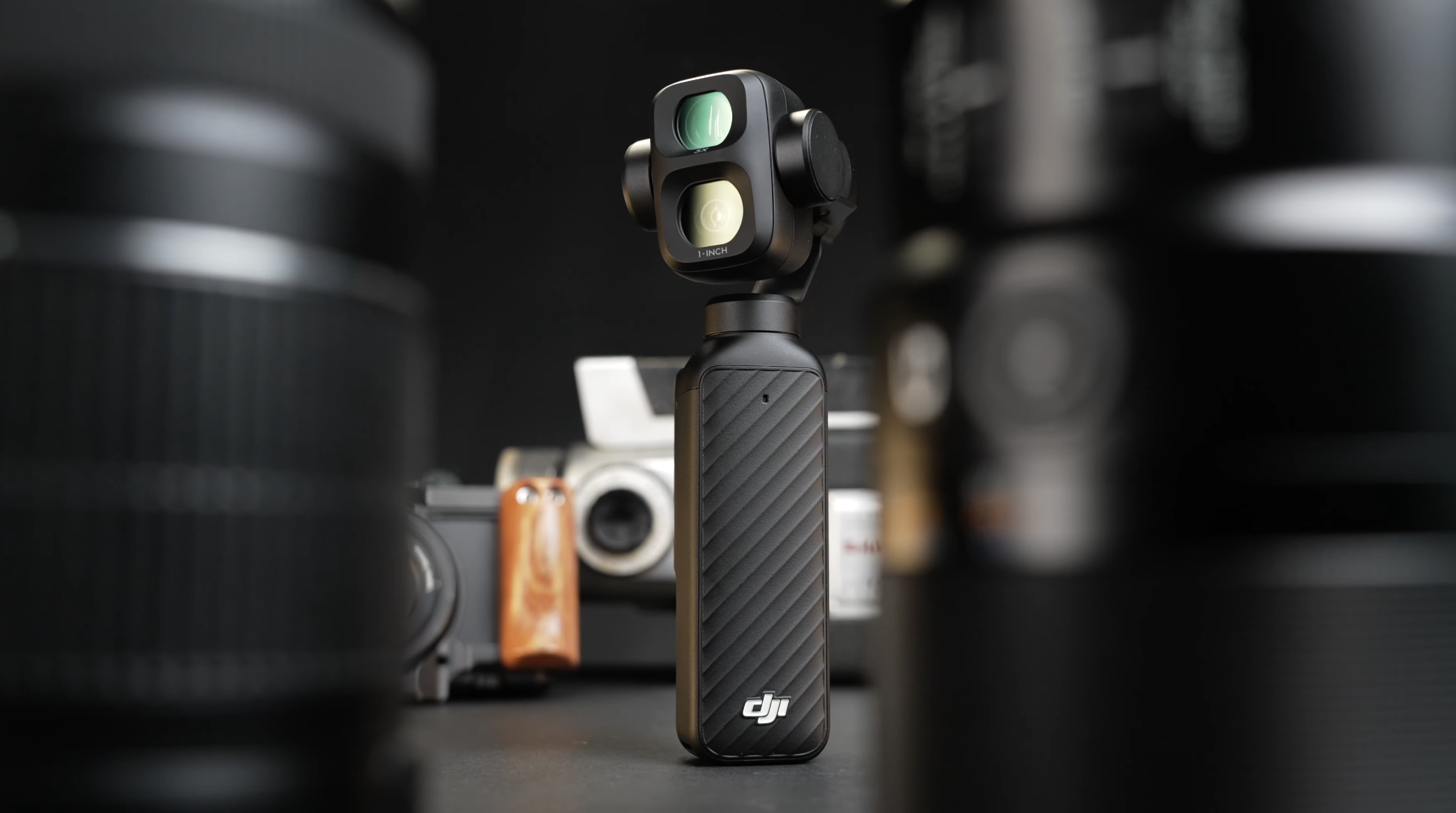
Battery life is another important part of using a pocket camera.
The Pocket 4P is designed to be carried throughout the day, but higher resolutions, high frame rates, tracking, and screen brightness will drain the battery more quickly.
For casual filming, I have enough power to capture multiple short shooting sessions.
For longer production days, I would carry a portable charger or battery handle.
The camera is quick to turn on, easy to carry, and much less intimidating than a full mirrorless setup.
That convenience makes me more likely to actually bring it with me.
Main Downsides
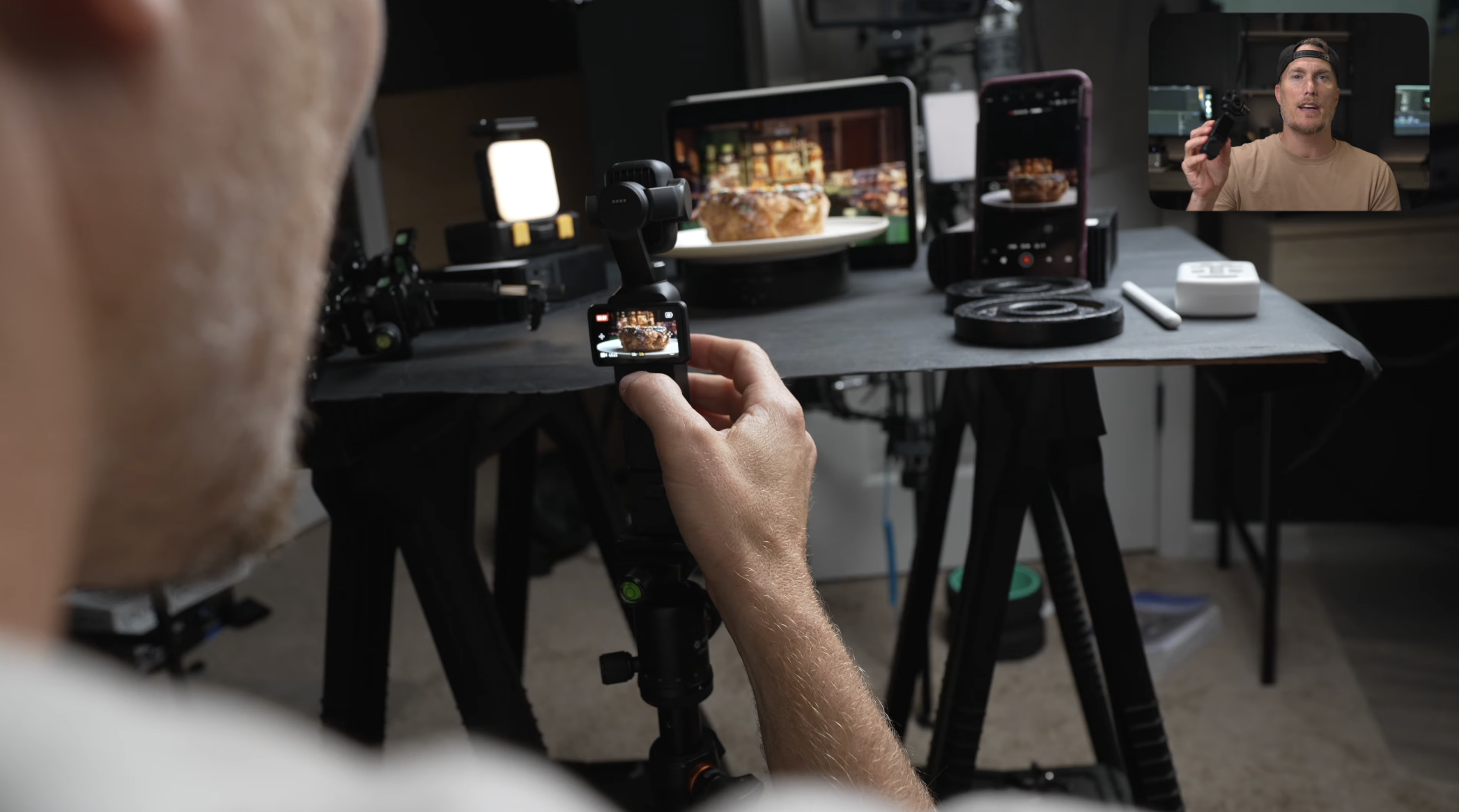
The Pocket 4P is a strong camera, but it comes with several compromises.
The biggest downsides are:
-
Limited official availability in the United States
-
Higher import prices
-
Possible lack of manufacturer warranty
-
No included protective case
-
Smaller sensor on the 3x camera
-
No D-Log 2 on the 3x camera
-
Good but not exceptional low-light performance
-
More complicated color workflow when changing cameras
The buying risk is the most serious issue for US customers.
Paying a premium is one thing. Paying a premium without a normal warranty or easy return process is much harder to accept.
Who Should Buy the Osmo Pocket 4P?
The Pocket 4P makes the most sense for:
-
Travel filmmakers
-
Vloggers
-
Solo creators
-
Cinematic B-roll shooters
-
People who regularly use slow motion
-
Creators who want a 3x telephoto camera
-
Anyone who values smooth stabilization
-
People who want strong image quality without carrying a large setup
It may also work as a lightweight replacement for a mirrorless camera in many everyday shooting situations.
Who Should Skip It?
I would consider skipping the Pocket 4P if:
-
You primarily shoot in very low light
-
You need interchangeable lenses
-
You require professional audio and monitoring connections
-
You already own a Pocket 3 and do not need the new features
-
You are uncomfortable buying without a manufacturer warranty
-
You can only find it at an extremely inflated price
For many US buyers, the Luna Ultra or Pocket 3 may be the safer value.
Final Verdict
After two weeks of testing, I think the Osmo Pocket 4P is one of the best small cameras I have used.
Its image quality, 3x camera, stabilization, slow motion, natural standard profile, and overall portability make it an excellent creative tool.
It can replace a much larger camera setup for many types of filming, especially when convenience matters more than maximum technical control.
However, its US availability creates real risks.
Buying through eBay may mean paying a premium, losing the manufacturer’s warranty, and relying entirely on the seller if something goes wrong.
If the Pocket 4P were officially available in the United States at a normal price, I would recommend it much more easily.
As it stands, I still think it is an excellent camera for anyone comfortable with the buying risks. For everyone else, the Osmo Pocket 3 and Insta360 Luna Ultra remain strong and much safer alternatives.
Author