
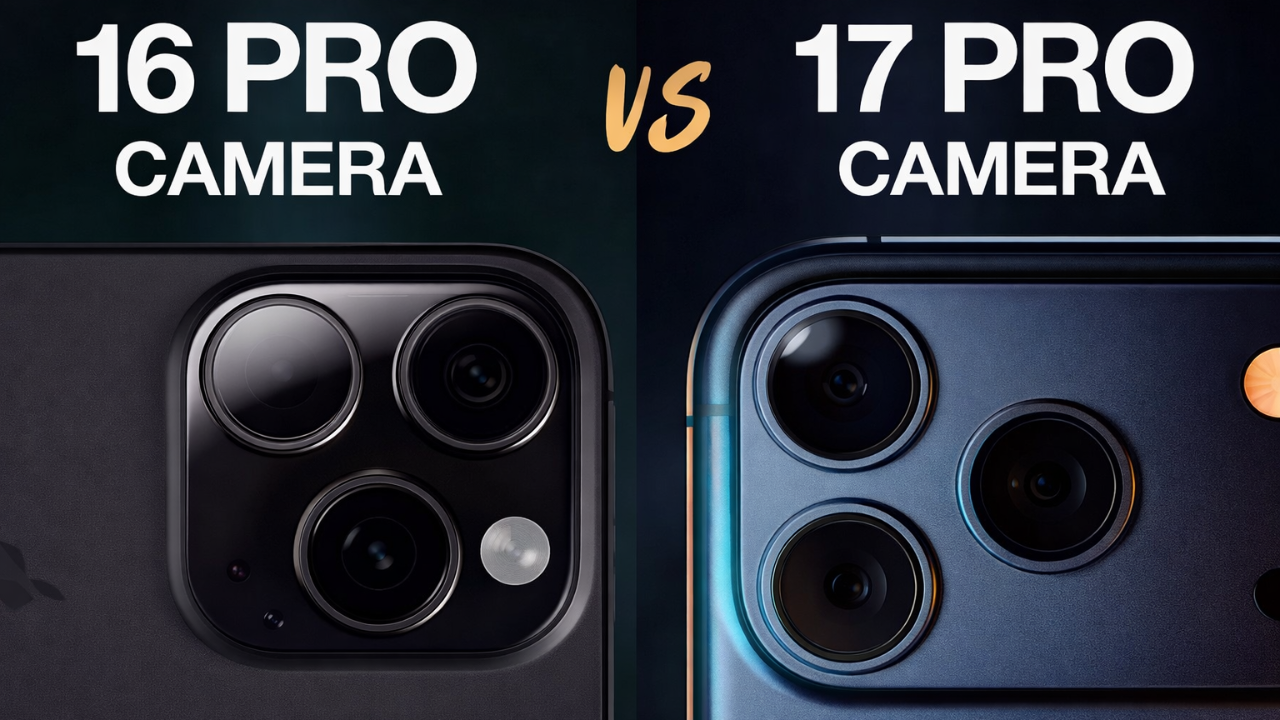
Why the iPhone 17 Pro Camera “Downgrade” is Actually a Massive Win: My Top Takeaways
Feb 10, 2026Get the full story watching the video above ⬆️
Purchase:
iPhone 17 Pro (affiliate) - https://geni.us/zrzT
iPhone 16 Pro (affiliate) - https://geni.us/5gd7K
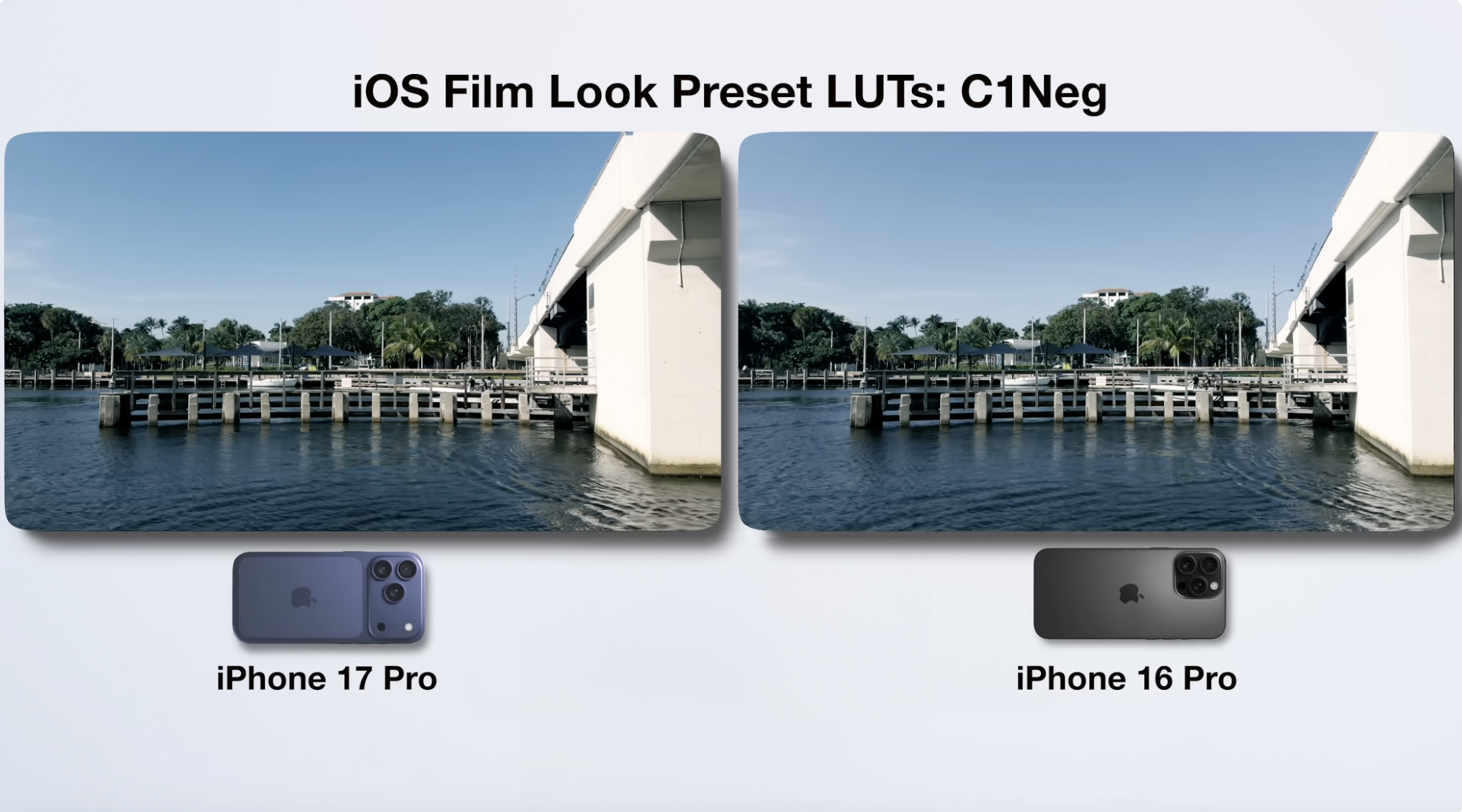
I’ll admit it: when the spec sheet for the iPhone 17 Pro first hit my desk, I felt a familiar pang of "spec-sheet skepticism." In an industry obsessed with "number-go-up" marketing, seeing the telephoto lens move from a 5x (120mm) reach back down to a 4x (100mm) felt like a retreat. As a professional who has spent years chasing more reach, I initially saw a "shorter" zoom as a compromise for the masses.
But after putting the hardware through its paces from Prague to Iceland, I’ve realized Apple hasn't downgraded the camera—they’ve engineered a precision instrument. By pivoting from consumer-focused "reach" to professional "utility," they’ve created what I call the first "workhorse SLR" of the mobile world. From the new structural plateau to quad-pixel demosaicking, here is why this shift is the best news for real-world shooters in years.
The Telephoto Paradox: Precision Over Reach
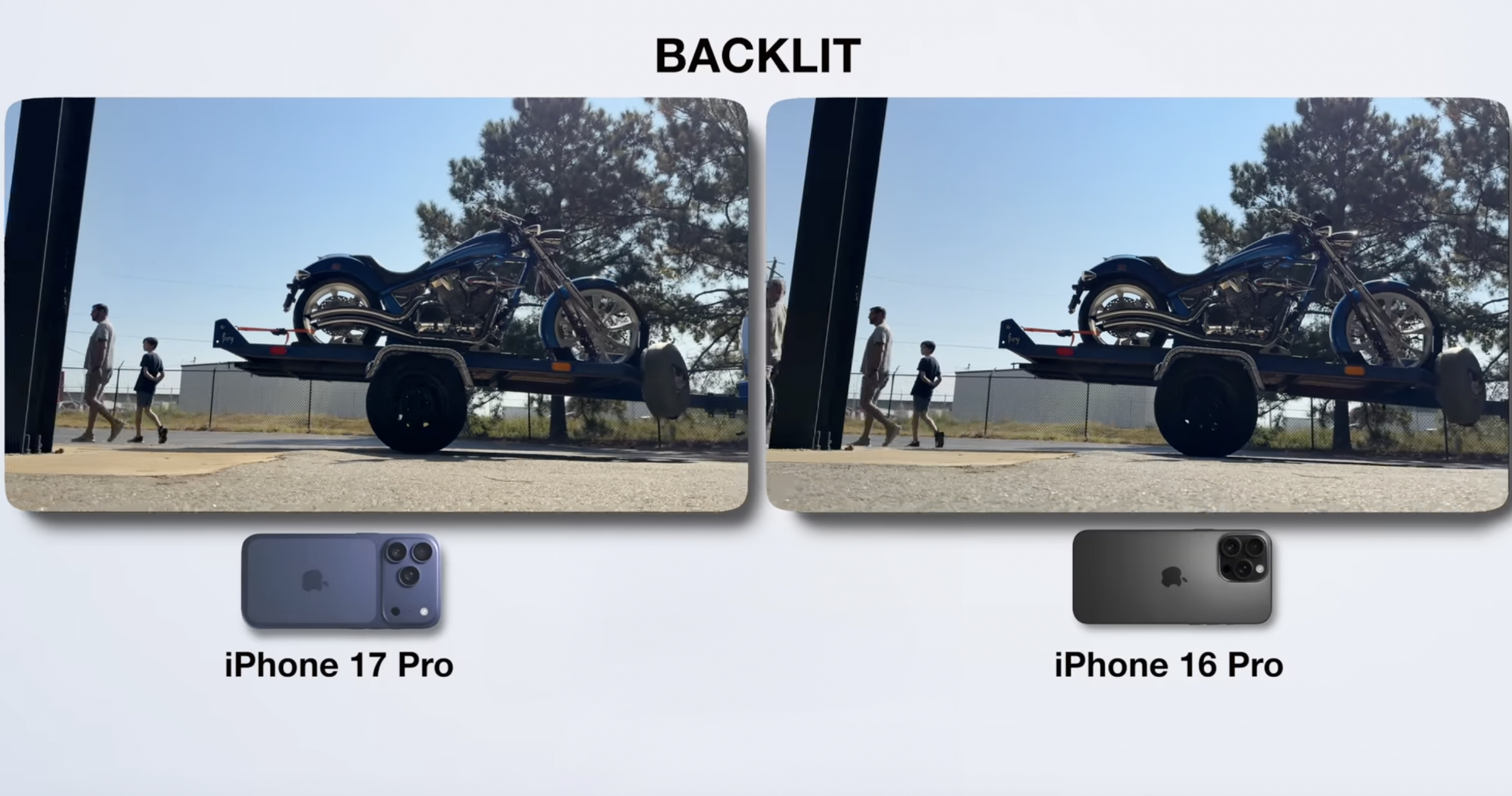
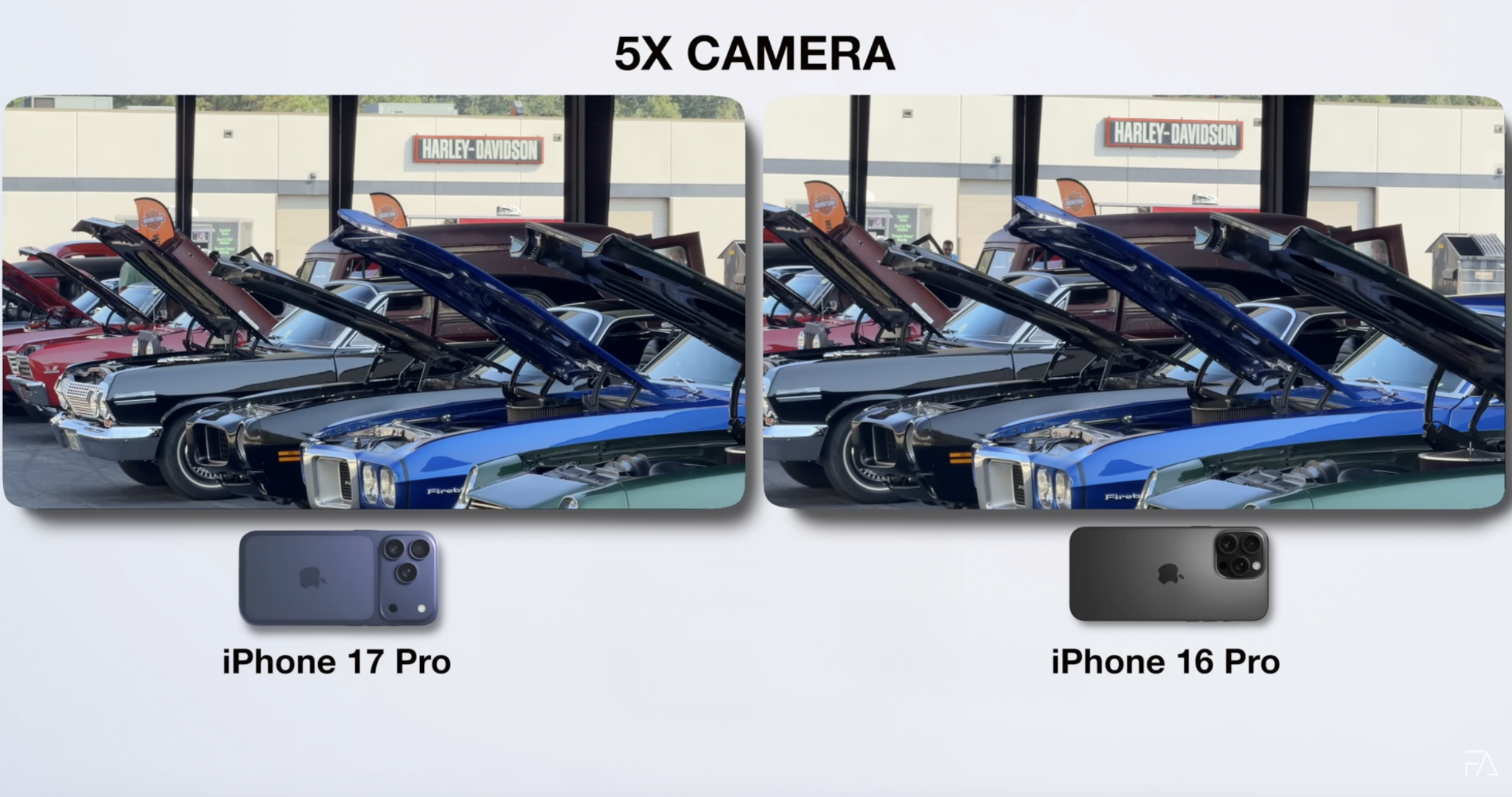
The move from 120mm back to 100mm is a masterclass in prioritizing "compositional hygiene." For years, professional portrait photographers have lived in the 75mm to 100mm range because it offers the most flattering facial compression. While the 16 Pro’s 5x (120mm) was spectacular, it was often creatively challenging—too long for tight interior portraits, but not long enough for true wildlife.
The iPhone 17 Pro returns to the "sweet spot" with a 100mm equivalent focal length. But don’t let that 4x label fool you. This isn't just a lens swap; it’s a total overhaul featuring a 48MP sensor that is 56% larger than its predecessor and utilizes a sophisticated tetraprism design.
Because of this massive resolution bump and improved quad-pixel demosaicking, Apple now delivers "optical quality" 8x zoom (200mm) by cropping into the high-res center of the sensor. As Jan Rybar noted, "The iPhone 17 Pro (4x = 100 mm) returns somewhat closer to the sweet spot. Hooray!" This sensor-crop magic ensures that even at 200mm, you’re getting a native-quality 12MP file, not a digital mess.
The Front Camera’s Square Sensor: An Elite Design Move
Apple has introduced a piece of "invisible engineering" in the new 18MP front camera that reminds me of the Hasselblad 907X. Instead of a traditional rectangular sensor, they’ve moved to a square sensor.
This allows for incredible flexibility in a vertical-first world. You can hold the phone vertically—the most natural grip—and the "Center Stage" system allows you to capture either a landscape or portrait crop without ever rotating the device. It even uses AI to automatically expand the field of view when it detects more people entering the frame. As the "Rule of Three" review points out, "Apple's square sensor makes it part of a small elite lineup of square sensor cameras..." It’s a classic Apple move: sophisticated hardware hiding behind an effortless user experience.
The 48MP "Fusion" Trio: Eliminating the Shutter Shift
For pro-level workflows, the "quality jump" has always been the Achilles' heel of mobile multi-lens systems. On previous models, you’d notice a distinct stutter or a shift in color and texture as the software handed off the image from the 48MP Main lens to a lower-resolution 12MP Telephoto.
The iPhone 17 Pro finally achieves total continuity. All three rear cameras—Main, Ultra-Wide, and Telephoto—now feature 48MP sensors. This "Pro Fusion" system creates a seamless experience across what Apple calls "8 pro lenses in your pocket":
• Macro
• 13mm (0.5x)
• 24mm (1x)
• 35mm (1.5x)
• 48mm (2x)
• 100mm (4x)
• 200mm (8x)
• Macro (48MP)
Whether you’re zooming mid-shot in 4K/60 or reviewing ProRAW files, the texture and color profiles remain locked. This is the "Total Pipeline" approach we’ve been waiting for.
Thermals and "The Plateau": The Professional Pivot
Titanium looked great in brochures, but as a thermal conductor, it was a step backward. For the 17 Pro, Apple pivoted back to 7000-series aluminum and integrated an Apple-designed vapor cooling chamber.
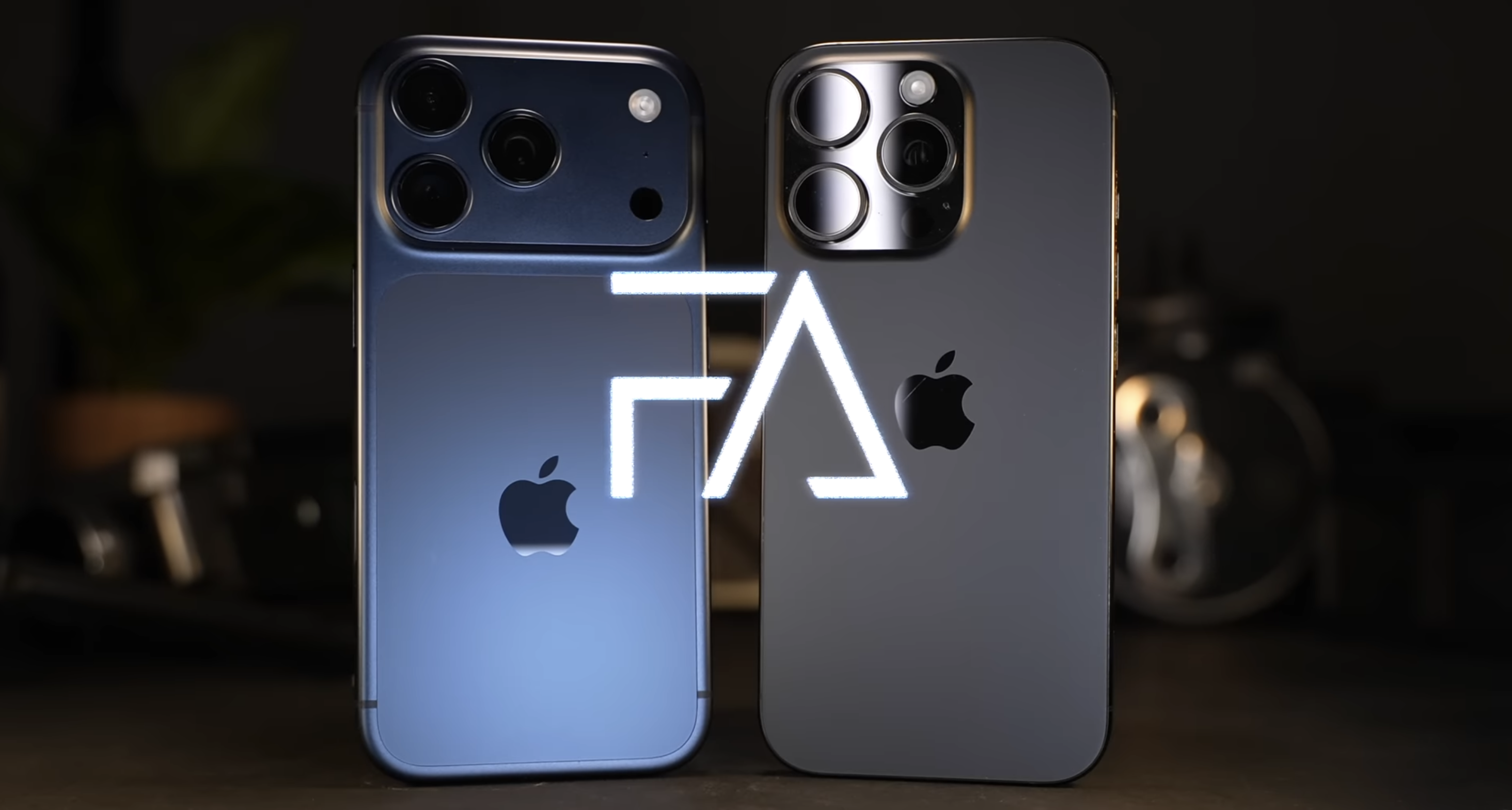
Even the exterior reflects this: the old "camera bump" is gone, replaced by a full-width structural "camera plateau." This isn't just an aesthetic choice; the plateau creates internal volume for a larger battery and allows the new vapor chamber to dissipate heat far more effectively. For creators, this translates to 40% better sustained performance. You can now render 4K/120fps video or run heavy local language models without the thermal throttling that plagued the titanium models. As Apple puts it, this is about delivering "the best-ever thermal performance in an iPhone."
A Pro Video Pipeline: Genlock and Open Gate
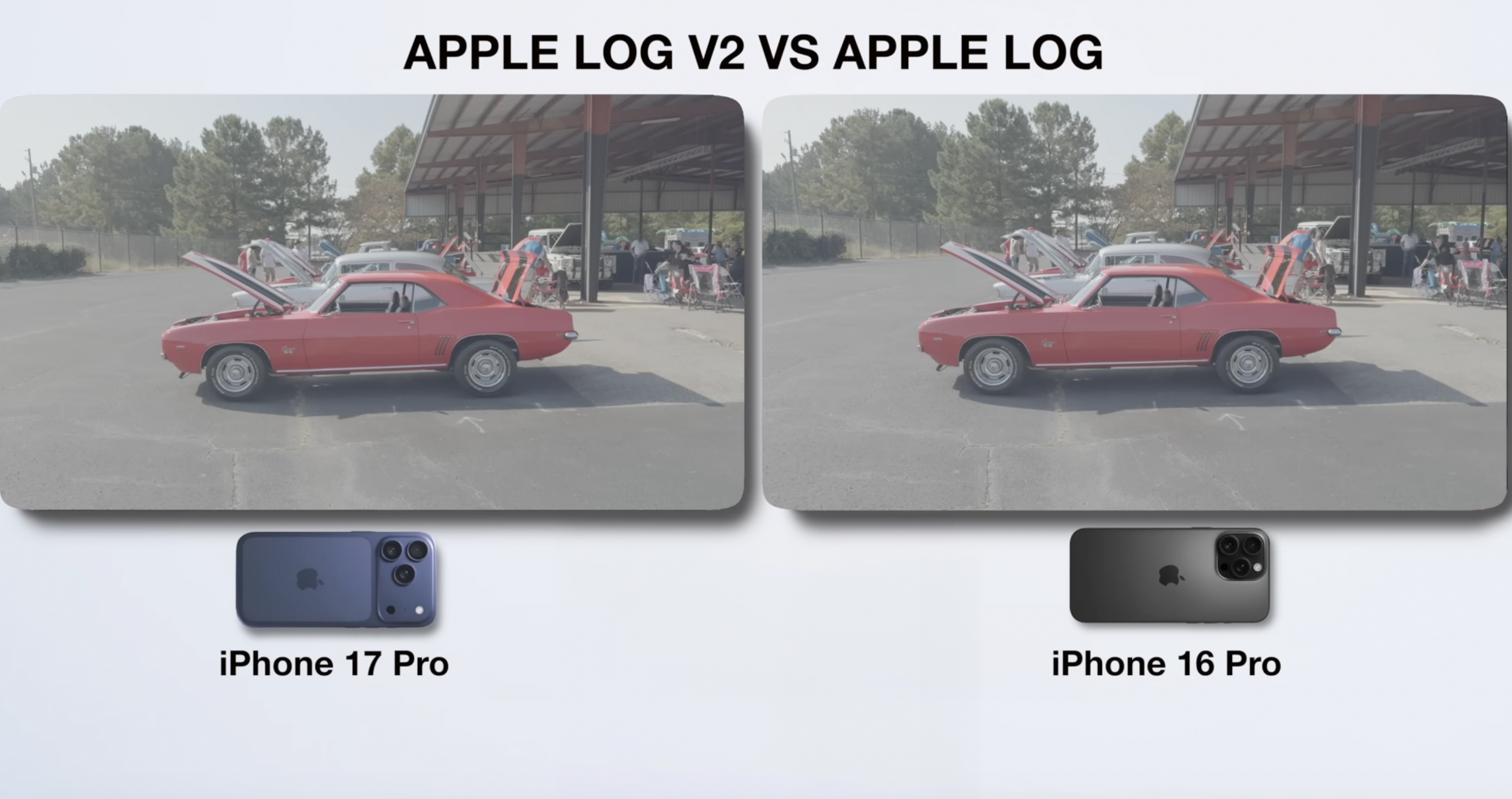
The iPhone 17 Pro is no longer just a "B-camera"; it’s now a viable A-cam for commercial sets. The inclusion of Genlock support, Apple Log 2, and ProRes RAW provides the "capital P" in Pro.
Genlock is the game-changer here, allowing filmmakers to precisely synchronize video across multiple cameras and inputs—essential for multi-cam sync on professional productions. Furthermore, the 17 Pro introduces Open Gate recording, capturing the full sensor area in H.265. This gives editors maximum framing flexibility in post-production, a feature typically reserved for high-end cinema rigs. Combine this with Dual Capture (simultaneous front and rear 4K/30 recording), and you have a powerhouse for everything from BTS content to professional interviews.
The "Soft" Reality: Atmospheric Character vs. AI Sharpness
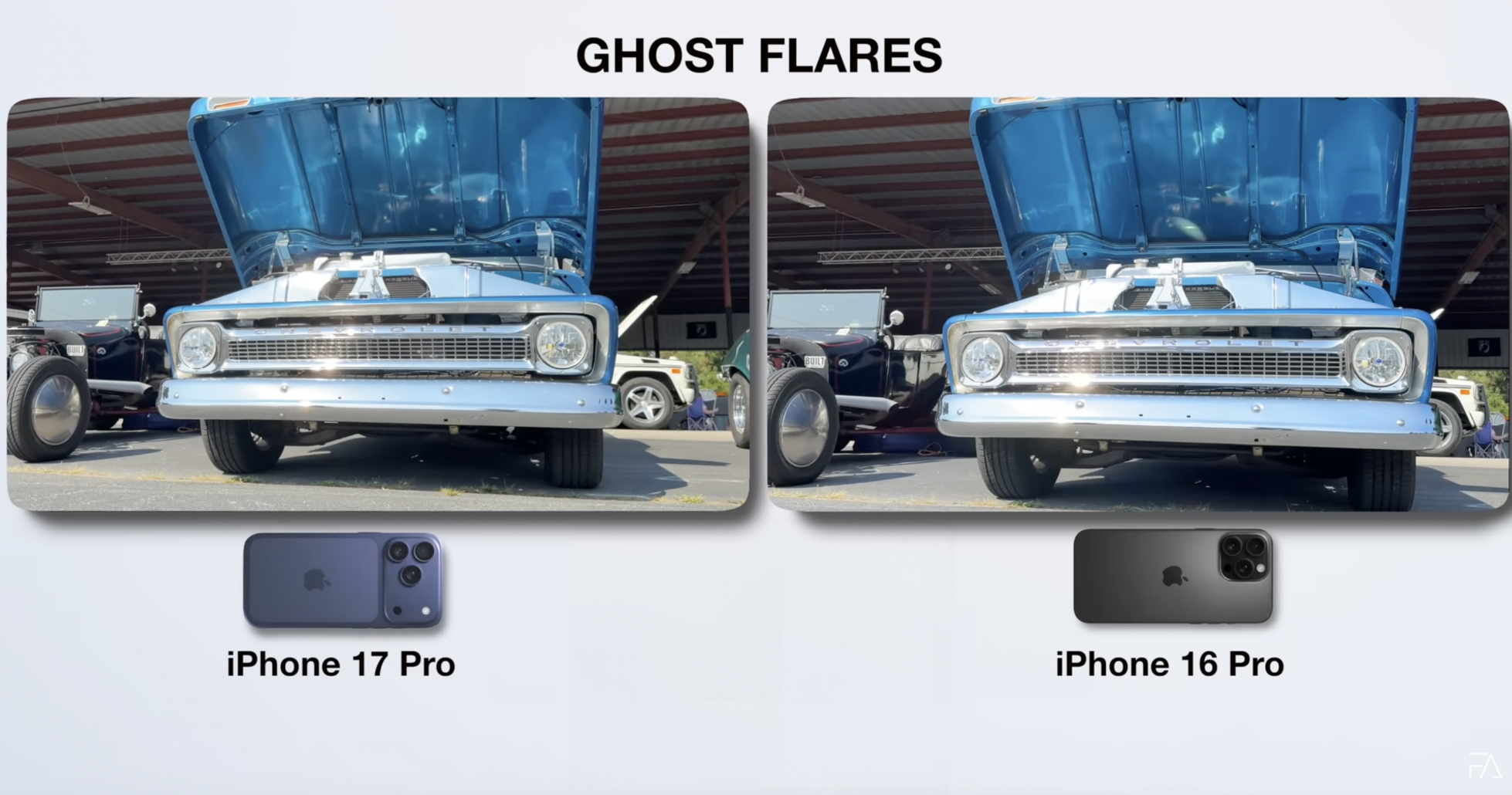
There’s been talk among pixel-peepers about the 4x lens feeling "softer" than previous iterations. I actually view this as a win for "restraint in sharpening." Modern mobile photography is often ruined by heavy-handed AI that makes skin look like plastic and foliage look like a watercolor painting.
The 17 Pro’s telephoto lens renders with a natural, almost atmospheric softness that is incredibly flattering for portraits. It feels like real glass, not an algorithm. However, a technical caveat for the low-light shooters: while the Main sensor is a beast (1/1.28 inches), the 0.5x ultra-wide remains small at 1/2.55 inches. Reddit users are already flagging it as "insanely bad" in extreme darkness because those 48 megapixels are packed onto a relatively tiny surface area. If you’re shooting landscapes at midnight, you’ll still be leaning on the Main sensor.
Conclusion: Is the "Workhorse SLR" Right for You?
The iPhone 17 Pro marks a definitive shift in philosophy. From the bold "Cosmic Orange" finish to the controversial omission of a black colorway, this phone wants to be noticed. But it’s the internal "Pro" upgrades—the plateau, the thermal chamber, and the 100mm portrait lens—that matter most.
A word of warning for early adopters: iOS 26 and the "Liquid Glass" interface have arrived with some grit. I’ve encountered bugs ranging from camera freezes to a distinct "light band artifact" on the left side of the frame in native RAW telephoto shots.
Despite these growing pains, the 17 Pro is the first iPhone that feels like a tool rather than a toy. In an era of AI-driven "perfection," are we ready to trade artificial sharpness for the natural, atmospheric character of a true pro lens? For me, the answer is a resounding yes. If you live in the telephoto and pro video space, this is the upgrade you've been waiting for.
Author