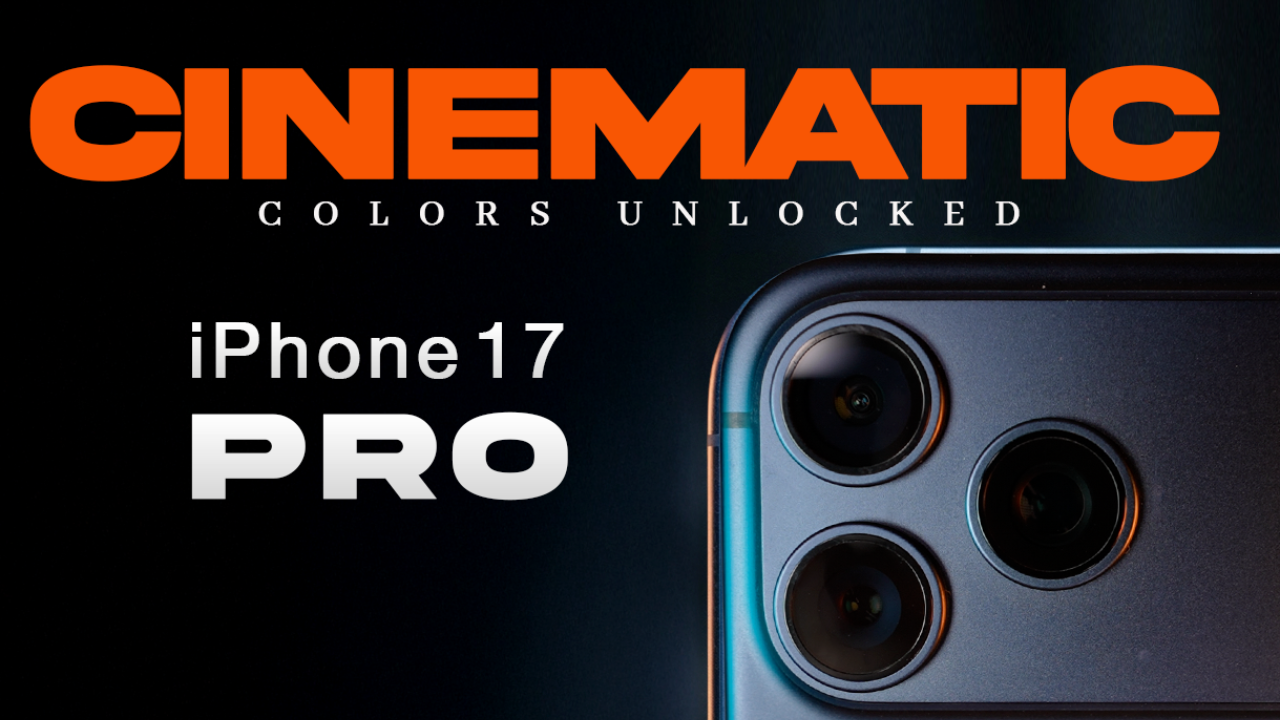
Why Your Gear Doesn't Matter: 5 "Cinematic" Lessons from the iPhone 17 Pro
May 05, 2026Get the full story watching the video above ⬆️
Purchase:
iPhone 17 Pro (affiliate) - https://geni.us/0xzQAGv
If you want quick, on-the-go reminders without having to stop and Google settings mid-shoot, you can grab my Pocket Camera Guides right here - https://geni.us/tahLW
Introduction: The Cinematic Myth
I see this mistake every single day: creators chasing a "cinematic" look by throwing money at expensive presets, high-end cinema rigs, or the latest gear hype. I’m here to tell you that’s a trap. I recently shot a sequence using nothing but the 1X camera on the iPhone 17 Pro to prove a point. I wasn't trying to win an Oscar or pretend to be Clint Eastwood; I wanted to demonstrate that "cinematic" isn’t a look you buy or a finish you apply in post-production.
Whether you’re holding a $50,000 Arri or the phone that’s already in your pocket, the principles of visual storytelling remain identical. My central thesis is the same one I’ve lived by throughout my career: "cinematic" isn’t a look—it’s the story you tell.
Takeaway 1: Storytelling is the Foundation, Not the Finish
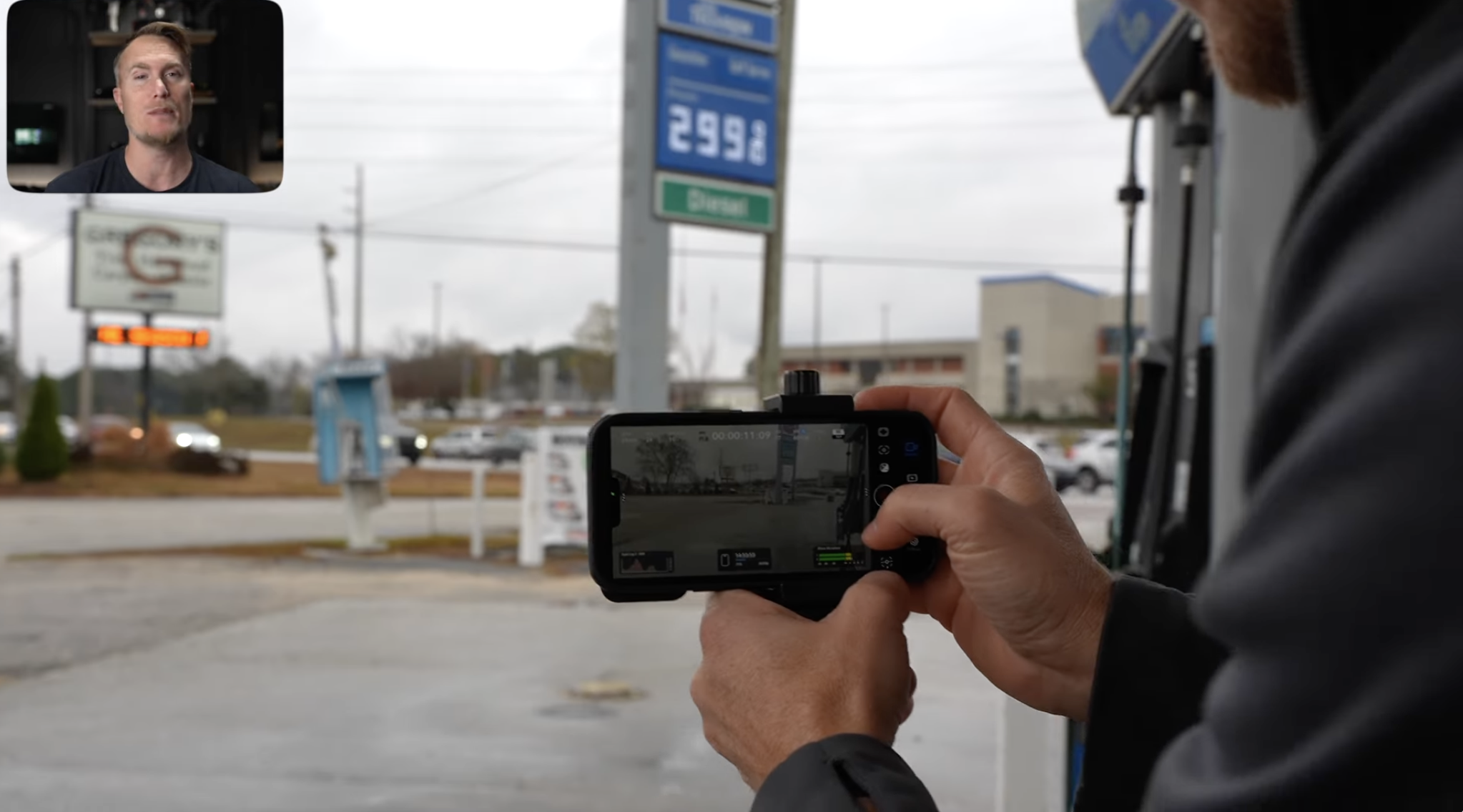
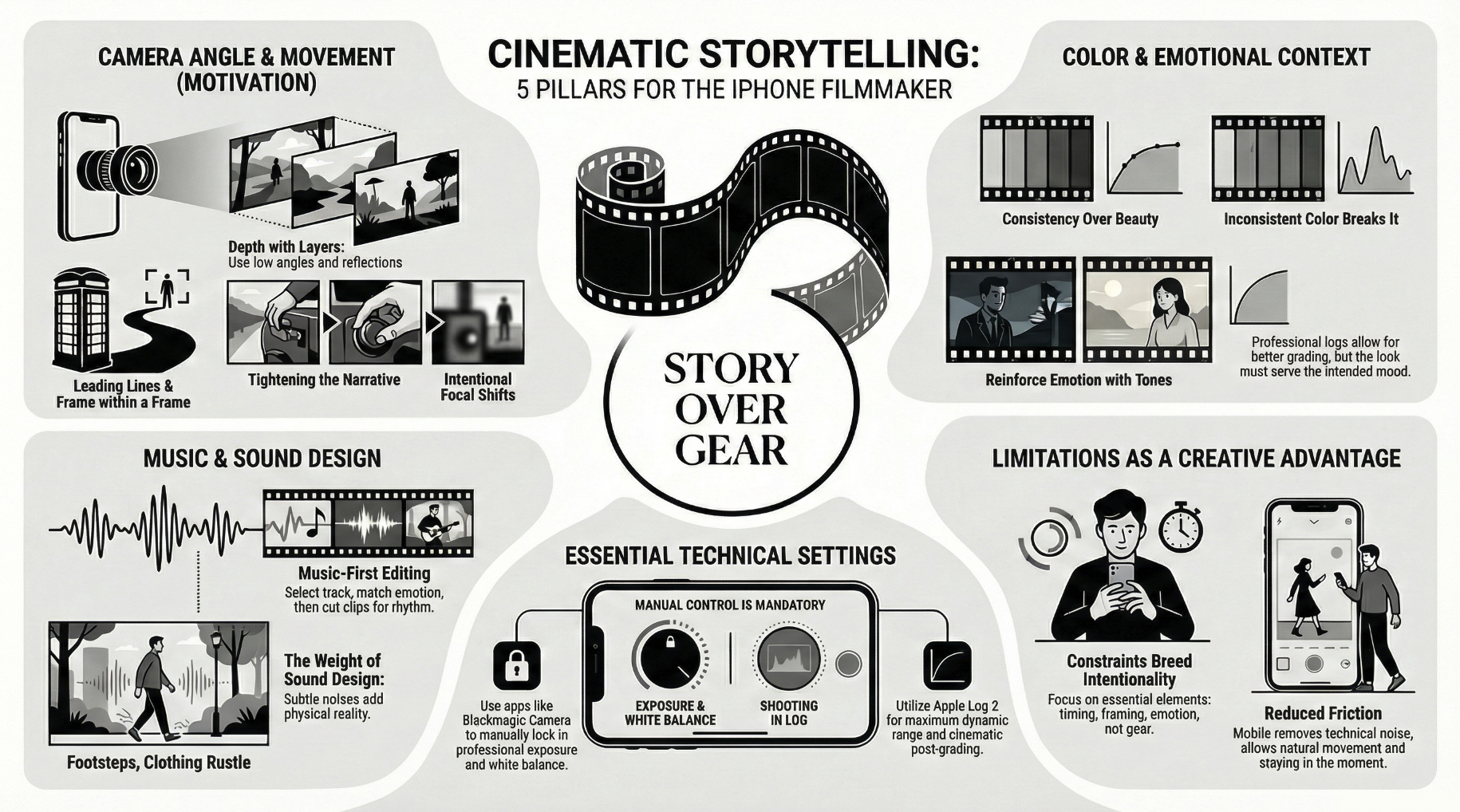
There is a massive misconception that "cinematic" quality is a byproduct of shot style or color grading. While I shot my sequence in Apple Log 2 using the Blackmagic Camera App to maintain absolute control over my exposure and white balance, those technical choices don't work in a vacuum. I applied my custom "2000s LUT," but without a narrative, that’s just a nicely graded shot of a train.
Color won’t save a bad story. I chose specific teals and greens for the background of this sequence to support an "uneasy" and tense feeling, but that color theory only matters because the story demanded it. Color, lighting, and music are the support beams, not the foundation. As I always say:
"Cinematic” isn’t about a look, a color preset, or fancy camera movement — it’s about the story you’re telling."
Takeaway 2: Master the "Layered Depth" Establishing Shot
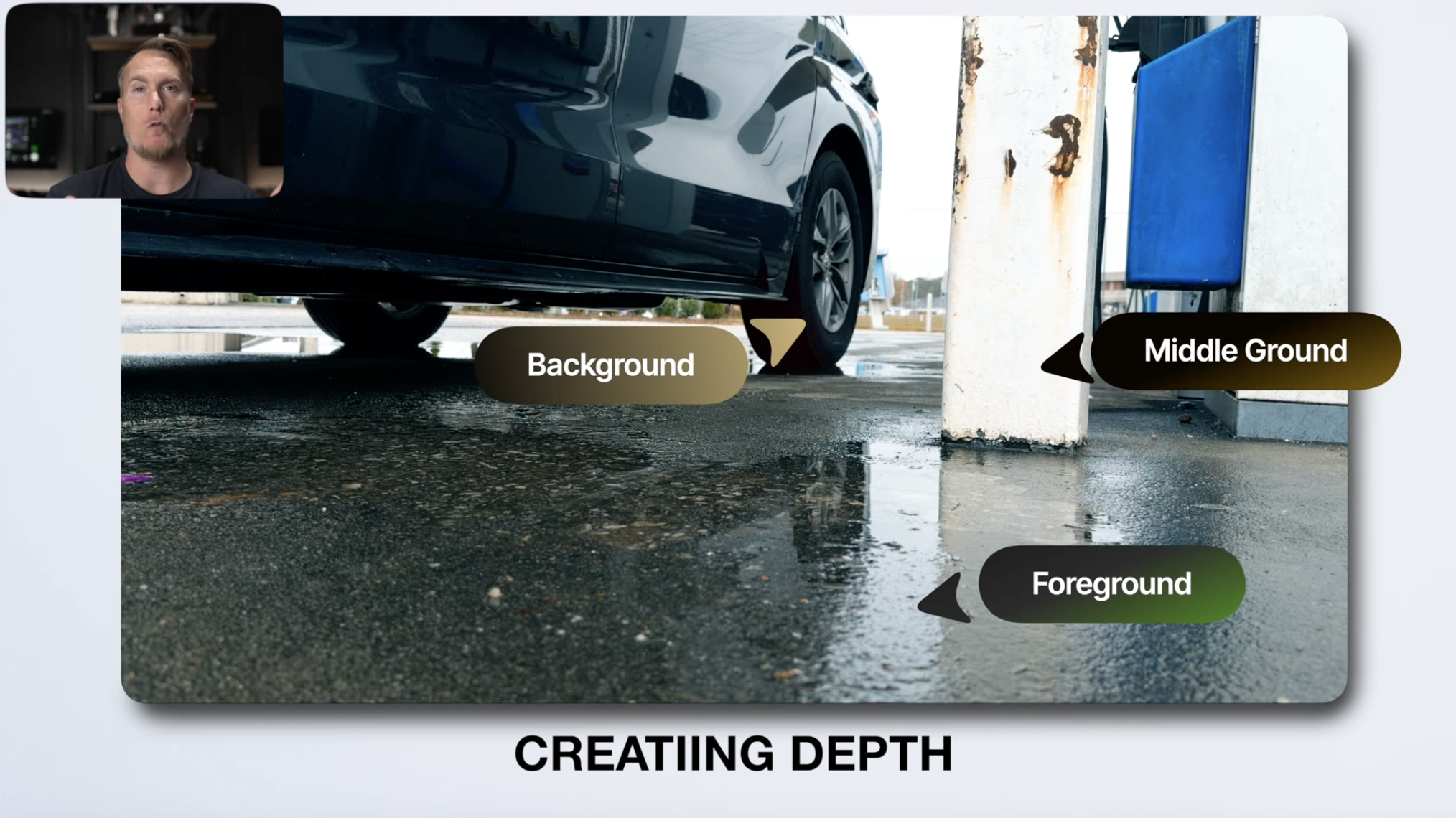
To make a scene feel professional, you have to kill the "flat" look. In my opening sequence, I dropped the iPhone low to the ground to capture a puddle reflection. This choice instantly created a frame with a clear foreground, middle ground, and background.
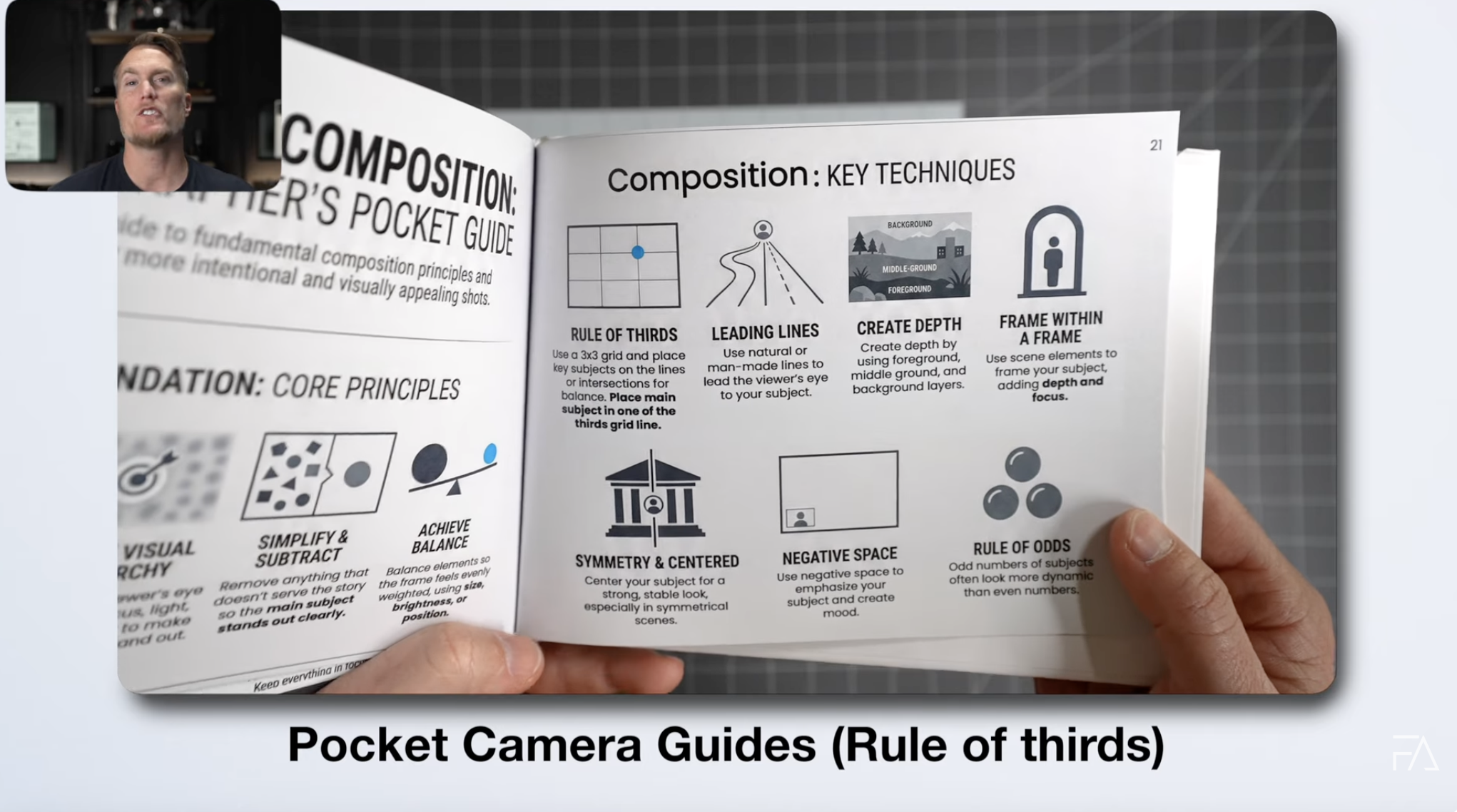
In my Pocket Camera Guide (specifically page 21), I explain that this "layered depth" is what makes a scene feel "intentional" and "breathable." But I took it a step further by including the trash scattered on the ground. That visual clutter isn't an accident; it builds subconscious tension by making the space feel "off." It allows the environment to establish the mood before the subject even enters the frame.
Takeaway 3: Move the Story Without Saying a Word (Focus & Framing)
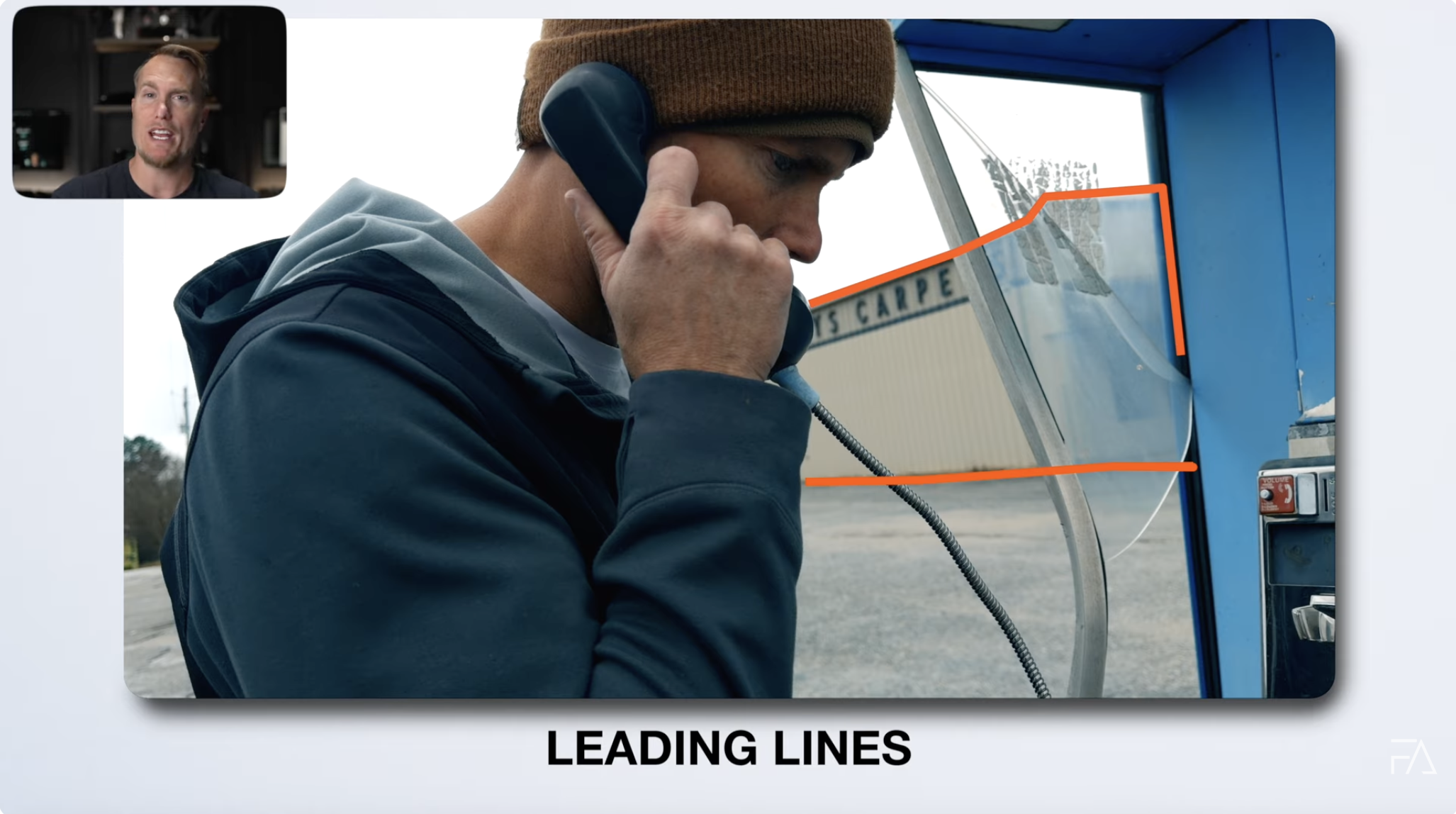
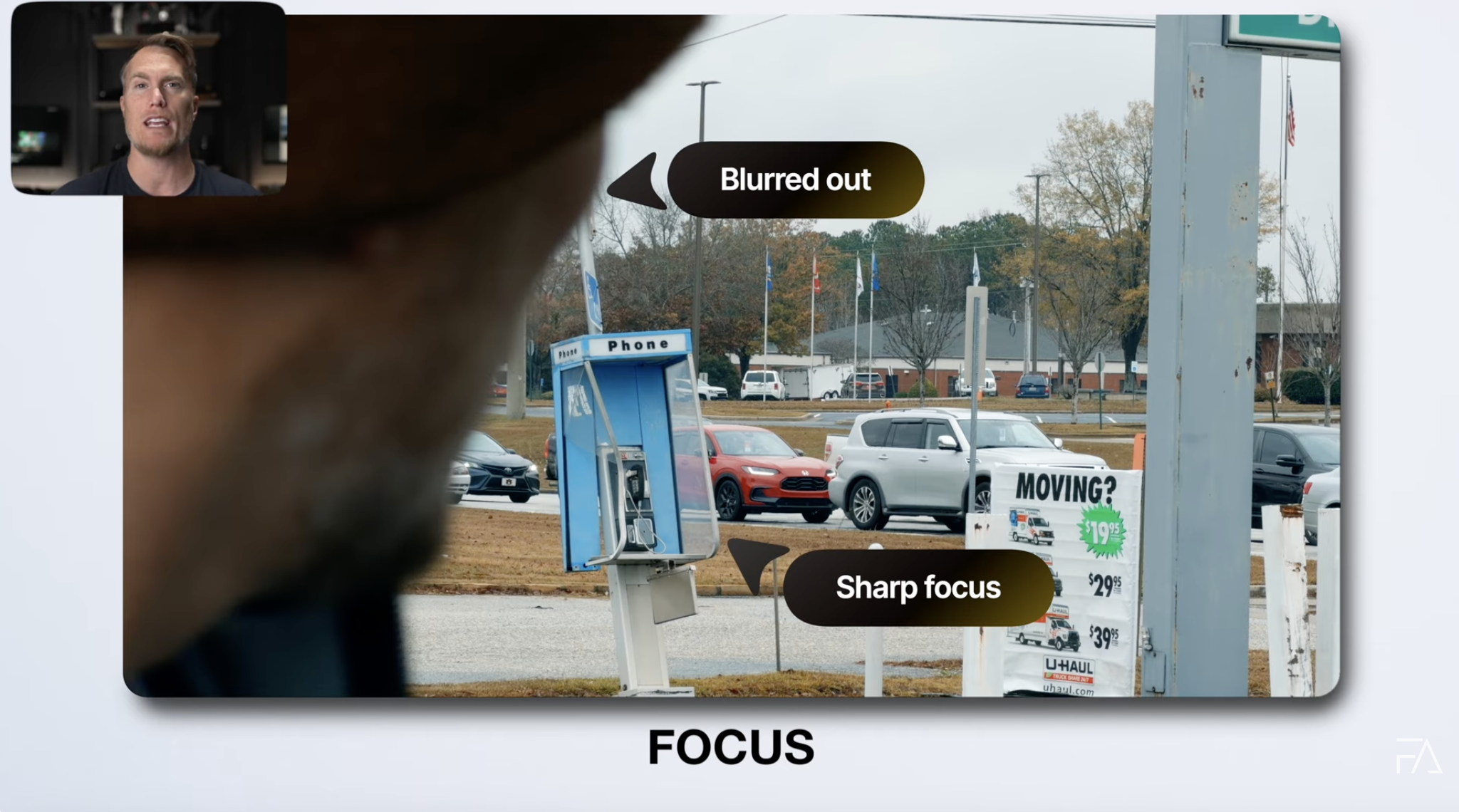
Visual storytelling is about guiding the viewer’s eye with surgical precision. To do this, I utilized leading lines—using the lines of the building and the roofline to point directly back to me as the subject. I also utilized a "frame within a frame" (a technique found on page 21 of the guide) by using the payphone box to encase the subject, locking the viewer's attention.
I used "focus flipping" to create a narrative connection. On page 20 of the Pocket Camera Guide, I talk about defining your subject; here, I intentionally blurred myself in the foreground and kept the payphone sharp in the background. This flips the usual pattern to show that the phone is pulling my character’s attention. By "tightening"- moving from wide shots to increasingly tighter angles - I signaled the object’s growing importance without a single line of dialogue.
Takeaway 4: The "Invisible" Power of Sound and Rhythm
Sound design is doing way more work in my sequences than most people realize. My workflow is simple but strict: I pick my music before I ever cut a single clip. For this sequence, I pulled a track from Artlist to establish the tension and pacing. I bring that track into the timeline first to ensure the visual rhythm matches the emotional weight of the song.
Once the edit is locked, I layer in the sound design - footsteps, environmental noise, and subtle movement. These are the "invisible" elements that add weight to the frame.
"You don’t always notice good sound design, but you definitely feel it."
Takeaway 5: Why Limitations are Your Greatest Creative Asset
The iPhone 17 Pro is screaming for your attention, but its greatest gift is actually its constraints. When you don’t have a massive rig or a bag of lenses, you’re forced to be more intentional. The iPhone removes the gear-related "friction" that bogs down traditional sets, allowing you to stay in the moment rather than being buried in menus.
Limitations force you to focus on what actually matters: timing, framing, and emotion. Every decision has to serve the story because you can’t hide behind technical fluff. "Cinematic" is ultimately about using the tools you have with a clear, driven purpose.
Conclusion: The Question Every Creator Should Ask
Achieving a cinematic result requires intention at every stage: maintaining color consistency to protect the mood, using sound design to shape tension, and employing intentional framing to guide your audience’s focus.
The gear is just the medium. As mobile cinematography continues to evolve, our tools will only get faster and more powerful, but the requirements for a great story will never change. The next time you pick up your phone to shoot, don’t ask yourself what LUT you should use. Instead, ask: "What story am I trying to tell?"
Answer that, and the rest will follow.
Author